Maximizing ROI: Smart Renovation Choices for Residential Resale
Discover which home improvements deliver the highest returns and appeal most to modern buyers in today's competitive market.

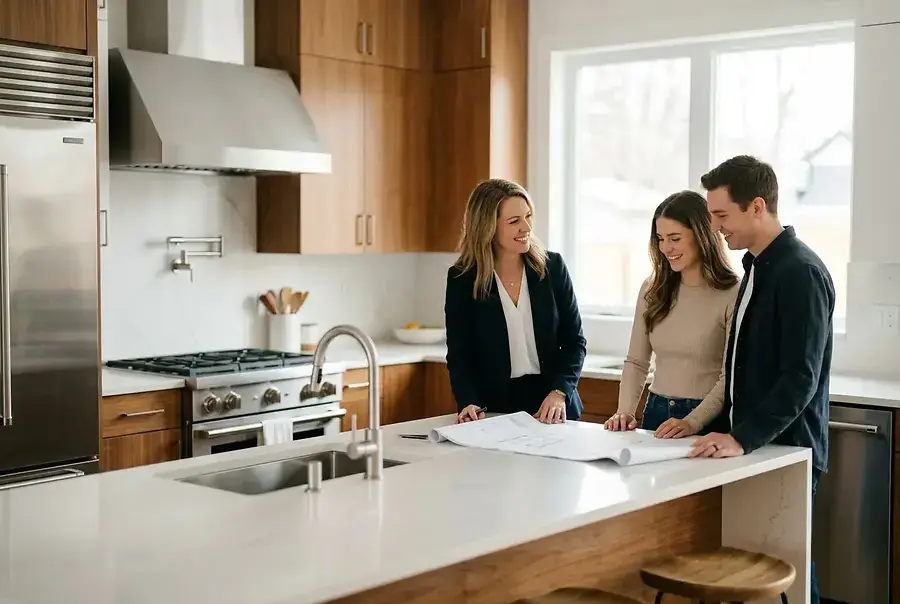
The Renovation Decision - Understanding ROI Before You Invest
When it comes to selling your home, the question isn't just "Should I renovate?" but rather "Which renovations will actually pay off?" Not all home improvements are created equal. Some projects recoup 80-100% of their costs at resale, while others barely break even. Understanding the return on investment (ROI) before you swing a hammer is crucial to making smart financial decisions.
The key to maximizing your home's resale value lies in strategic planning. Modern buyers have specific expectations and priorities that differ significantly from previous generations. They're looking for functionality, energy efficiency, and contemporary aesthetics. Before investing thousands of dollars into renovations, take time to research what truly matters to buyers in your market and what will genuinely increase your home's appeal and value.
High-Impact Renovations That Buyers Truly Value
Kitchen Remodeling
The kitchen remains the heart of the home and one of the most important spaces for buyers. A modern, functional kitchen can return 50-80% of its investment at resale. Focus on quality appliances, updated cabinetry, and durable countertops. Stainless steel appliances and granite or quartz counters are particularly attractive to contemporary buyers. You don't need a complete overhaul—sometimes strategic updates like new hardware, fresh paint, and improved lighting can make a significant impact without breaking the bank.
Bathroom Upgrades
Bathrooms are another area where buyers scrutinize closely. Updated bathrooms with modern fixtures, quality tile work, and efficient plumbing can return 50-70% of renovation costs. Consider upgrading to spa-like features such as rainfall showerheads, heated floors, or double vanities if your budget allows. Even simpler updates like new lighting, fresh caulking, and modern hardware can refresh a bathroom's appearance significantly.
Energy-Efficient Improvements
Today's buyers are increasingly conscious of energy costs and environmental impact. Investments in energy efficiency often deliver excellent ROI:
- HVAC System Upgrades: A new, efficient heating and cooling system can return 50-75% of costs and appeals to environmentally-conscious buyers
- Window Replacement: Energy-efficient windows return 60-80% of investment while improving comfort and reducing utility bills
- Insulation and Weatherization: Improving attic insulation and sealing air leaks is cost-effective and attractive to buyers
- Solar Panels: While expensive upfront, solar installations increasingly appeal to modern buyers and can return 70-80% of costs
Curb Appeal and Exterior Work
First impressions matter tremendously. Buyers form opinions before they even step inside. Strategic exterior improvements deliver strong ROI:
- Fresh exterior paint and updated landscaping
- New roof or roof repairs (essential for buyer confidence)
- Updated front door and entryway lighting
- Driveway repairs or resurfacing
These projects often return 75-100% of their costs because they directly impact the home's perceived value and condition.
Flooring Upgrades
Quality flooring is a major selling point. Hardwood floors, luxury vinyl plank, and high-quality tile are particularly appealing. Replacing worn carpeting with modern flooring options can return 70-80% of investment. Hardwood flooring, in particular, appeals to a wide range of buyers and adds timeless elegance.
Renovations to Avoid: Common Money-Wasting Mistakes
Over-Personalization
While your home should reflect your personality, overly personalized renovations rarely appeal to buyers. Avoid:
- Bold, trendy paint colors in every room
- Highly specialized rooms (like a themed man cave or elaborate hobby room)
- Expensive custom features that won't appeal to the general market
Stick to neutral, timeless design choices that allow buyers to envision their own lives in the space.
Swimming Pools and Hot Tubs
Despite their appeal, pools and hot tubs are expensive to maintain and often return only 50% or less of their costs. They can even deter buyers concerned about maintenance, liability, and ongoing expenses. Unless pools are common in your area, this investment rarely pays off.
Basement Finishing Without Proper Planning
An unfinished basement is better than a poorly finished one. If you do finish a basement, ensure it meets all building codes, has proper egress windows, and is professionally done. Shoddy basement work can actually decrease home value.
High-End Luxury Upgrades in Mid-Range Neighborhoods
Installing a $50,000 chef's kitchen in a neighborhood where homes typically sell for $300,000 is unlikely to yield proportional returns. Match your renovations to your neighborhood's market value. Buyers won't pay significantly more for luxury features that exceed their neighborhood's typical price point.
Outdated Technology and Fixtures
Avoid installing trendy but short-lived technology or fixtures. What's cutting-edge today may look dated in a few years. Stick with timeless, quality materials and proven technologies.
Creating a Strategic Renovation Plan for Maximum Market Appeal
Before starting any renovation project, follow these steps:
- Research Your Market: Talk to local real estate agents about what buyers in your area prioritize. Market preferences vary by region and demographic.
- Get Professional Appraisals: Have your home appraised before and after planned renovations to understand realistic ROI expectations.
- Prioritize Visible Improvements: Focus on updates that buyers will immediately notice—kitchens, bathrooms, flooring, and curb appeal.
- Address Necessary Repairs First: Fix structural issues, roof problems, and major system failures before cosmetic upgrades. Buyers will demand these repairs anyway.
- Set a Budget and Stick to It: Renovation costs often exceed estimates. Build in a contingency fund and avoid scope creep.
- Choose Quality Over Quantity: One excellent renovation beats multiple mediocre ones. Better to do fewer projects well than many projects poorly.
The most successful renovation strategy balances smart investments with realistic expectations. Focus on improvements that enhance functionality, appeal to modern buyers, and align with your neighborhood's market value. By making strategic choices and avoiding common pitfalls, you can maximize your home's resale value and attract serious buyers ready to make an offer.
Remember, the goal isn't to create your dream home—it's to create buyers' dream home. When you keep the market in mind and invest wisely, your renovations will pay dividends at the sale.


