Maximizing Your Home's Appraisal Value: A Complete Guide for Sellers
Learn what appraisers evaluate and how to prepare your home for a fair valuation that supports your sale or refinance.

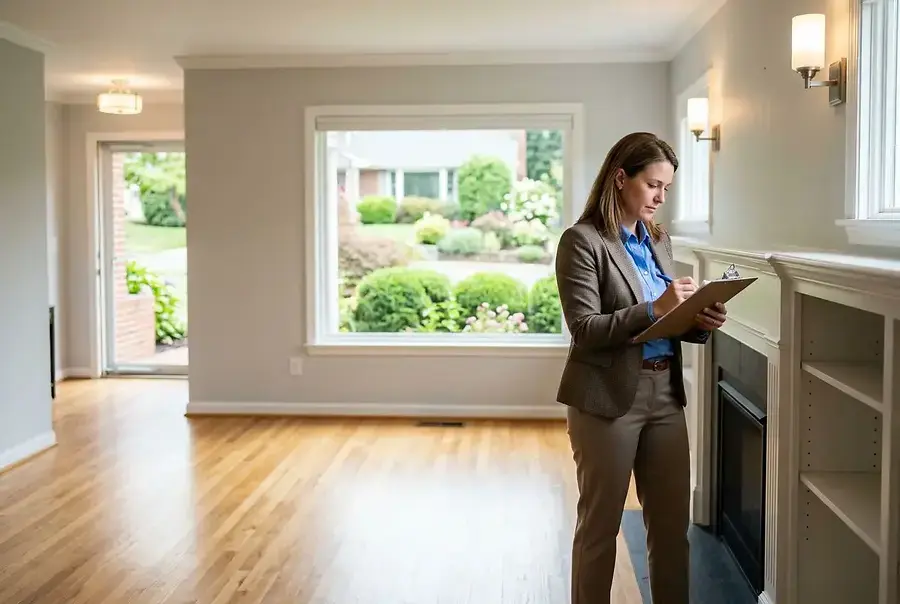
Understanding the Appraisal Process and Why It Matters
A home appraisal is a critical step in any real estate transaction or refinancing process. An independent, licensed appraiser evaluates your property to determine its fair market value. This valuation protects both lenders and buyers by ensuring the property is worth the agreed-upon price.
For sellers, a strong appraisal can make or break a deal. If your home appraises below the sale price, buyers may renegotiate or walk away entirely. For homeowners refinancing, a lower appraisal can limit how much equity you can access. Understanding what appraisers evaluate and how to prepare your home can significantly impact the outcome.
Key Factors Appraisers Evaluate in Residential Properties
Property Condition and Structural Integrity
Appraisers conduct a thorough inspection of your home's structural components. They examine the roof, foundation, walls, and overall condition of the building. Any signs of damage, water intrusion, or structural issues will negatively impact your appraisal. They also assess the condition of major systems including electrical, plumbing, and HVAC.
Location and Neighborhood Factors
The location of your property is one of the most significant factors in determining value. Appraisers consider:
- Proximity to schools, shopping, and employment centers
- Crime rates and neighborhood safety
- Local market trends and comparable property values
- Zoning regulations and future development plans
- Quality of local schools and public services
While you cannot change your location, understanding how it affects your appraisal helps set realistic expectations.
Comparable Sales and Market Analysis
Appraisers research recent sales of similar properties in your area. These comparable properties or "comps" form the foundation of the appraisal value. Properties with similar size, age, condition, and features serve as benchmarks. Market conditions, including supply and demand, also influence the final valuation.
Interior and Exterior Features
Appraisers evaluate both visible and functional features of your home:
- Square footage and room count
- Kitchen and bathroom quality and updates
- Flooring conditions and materials
- Paint, wallpaper, and wall conditions
- Windows and doors functionality
- Outdoor features like decks, patios, and landscaping
- Garage space and storage
Preparing Your Home to Maximize Appraisal Value
Conduct a Pre-Appraisal Inspection
Before the appraiser arrives, conduct your own thorough inspection. Look for obvious issues that could lower your valuation. Address any visible problems such as broken windows, damaged siding, or roof leaks. This proactive approach demonstrates that your home is well-maintained.
Clean and Declutter Thoroughly
First impressions matter. A clean, well-organized home appears better maintained and more valuable. Deep clean every room, including:
- Windows, both inside and outside
- Carpets and flooring
- Kitchen appliances and cabinets
- Bathrooms, including grout and fixtures
- Exterior surfaces and landscaping
Remove personal items, excessive furniture, and clutter. A spacious, clean environment allows appraisers to focus on the property's features rather than distractions.
Make Strategic Repairs and Updates
Focus on repairs that provide the best return on investment. Prioritize:
- Critical repairs: Roof leaks, foundation issues, electrical problems, and plumbing failures
- High-impact updates: Kitchen and bathroom improvements, fresh paint, and new flooring
- Curb appeal: Landscaping, exterior paint, and entrance improvements
Avoid expensive renovations that won't recoup their cost. Focus on what appraisers value most: functionality and condition.
Organize Documentation
Prepare documentation that supports your home's value:
- Records of recent repairs and upgrades
- Proof of system replacements (roof, HVAC, water heater)
- Energy efficiency certifications or upgrades
- Permits for any major work completed
- Home warranty information
Having this information readily available helps appraisers understand your home's true condition and recent investments.
Enhance Curb Appeal
Your home's exterior is the first thing an appraiser sees. Invest in curb appeal improvements:
- Trim bushes and trees
- Plant fresh flowers or mulch garden beds
- Power wash the driveway and walkways
- Ensure the front door and entrance are inviting
- Repair or replace damaged siding or trim
- Ensure proper drainage and no visible water damage
Common Appraisal Challenges and How to Address Them
Low Appraisals in Declining Markets
In slower markets, appraisals may come in below expectations. Request a reconsideration of value if you believe the appraisal is inaccurate. Provide additional comparable sales data or evidence of recent improvements that the appraiser may have missed. Your real estate agent can help gather supporting documentation.
Unique or Specialized Features
Homes with unique features—such as pools, guest houses, or specialized rooms—can be challenging to appraise. Help the appraiser understand the value these features add by providing documentation of their quality, maintenance, and market appeal.
Recent Major Repairs or Updates
If you've recently completed significant work, ensure the appraiser is aware. Provide receipts, permits, and before-and-after photos. Recent quality improvements should positively impact your appraisal.
Deferred Maintenance Issues
If your home has deferred maintenance, address what you can before the appraisal. For issues you cannot immediately fix, be transparent with the appraiser. They will account for these in their valuation, but demonstrating awareness and a plan to address them can help.
Neighborhood Perception
If your neighborhood is undergoing positive changes or development, inform the appraiser. New schools, commercial centers, or infrastructure improvements can positively influence property values. Conversely, if negative factors exist, understanding how they're factored into the appraisal helps set realistic expectations.
Final Thoughts
Maximizing your home's appraisal value requires understanding what appraisers evaluate and taking strategic steps to present your property in its best light. Focus on cleanliness, necessary repairs, and curb appeal. Organize documentation of improvements and be prepared to provide context about your home's features and condition.
By following these guidelines, you'll give your home the best chance of receiving a fair appraisal that reflects its true market value. Whether you're selling or refinancing, a strong appraisal supports your financial goals and provides confidence in your real estate transaction.


