Maximizing Your Home's Resale Value Through Strategic Updates
Discover which renovations deliver the highest return on investment and which to skip when preparing to sell.

Introduction: Why Strategic Home Improvements Matter for Sellers
When preparing to sell your home, the temptation to renovate everything can be overwhelming. However, not all improvements are created equal when it comes to recouping your investment. Strategic home updates are essential for attracting buyers and commanding a competitive price, but understanding which renovations deliver real value is crucial to avoiding costly mistakes.
The key to maximizing your home's resale value lies in making informed decisions about where to invest your time and money. Rather than pursuing every trendy upgrade, savvy sellers focus on improvements that address buyer priorities and offer measurable returns. This approach ensures you're investing wisely in your property's future.
High-ROI Renovations That Buyers Actively Seek
Kitchen Updates
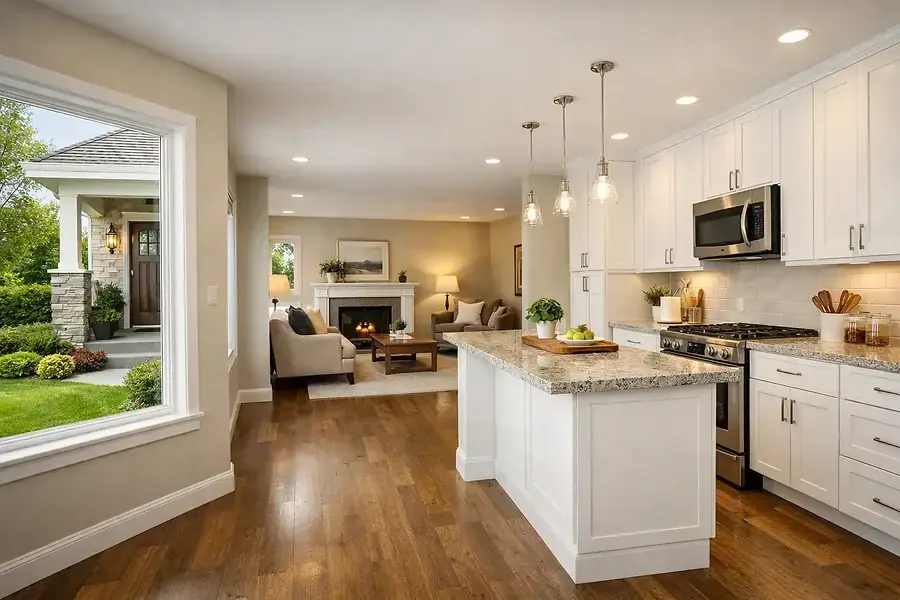
The kitchen remains one of the most important rooms for home buyers. A well-executed kitchen renovation can return 50-60% of your investment, making it one of the highest-ROI projects available. Focus on:
- Replacing outdated cabinets with modern, neutral designs
- Upgrading to energy-efficient appliances
- Installing new countertops in timeless materials like granite or quartz
- Improving lighting with contemporary fixtures
Avoid overly trendy designs that may feel dated quickly. Neutral, clean aesthetics appeal to the broadest range of buyers.
Bathroom Renovations
Bathrooms are another area where buyers expect quality and functionality. A bathroom update typically returns 50-65% of your investment. Prioritize:
- Modernizing fixtures and hardware
- Updating tile work and flooring
- Installing proper ventilation systems
- Adding storage solutions
Even small improvements like fresh paint, new mirrors, and updated lighting can significantly impact buyer perception.
Curb Appeal and Exterior Work
First impressions matter tremendously. Exterior improvements often return 75-100% of your investment, making them exceptional value. Consider:
- Fresh exterior paint in neutral colors
- Landscaping and lawn maintenance
- New roof or roof repairs if needed
- Updated front door and entryway
- Pressure washing and general cleanup
These projects don't require massive budgets but create powerful visual impact that attracts potential buyers before they even step inside.
Energy Efficiency Upgrades
Modern buyers increasingly value energy-efficient homes. Upgrades like new windows, insulation, and HVAC systems can return 50-80% of your investment while reducing utility costs. These improvements appeal to environmentally conscious buyers and those seeking long-term savings.
Flooring Replacement
Worn or outdated flooring is a major turnoff for buyers. Replacing flooring throughout your home typically returns 70-80% of your investment. Hardwood, laminate, and tile in neutral tones are safe choices that appeal to most buyers.
Common Renovation Mistakes That Reduce Property Value
Over-Personalizing Your Space
While your unique style makes your home special to you, highly personalized designs can deter potential buyers. Avoid:
- Bold, unusual paint colors in main living areas
- Niche design themes that won't appeal to everyone
- Expensive custom features with limited appeal
Instead, opt for neutral palettes that allow buyers to envision their own style in the space.
Investing in Luxury Items Without Market Support
High-end upgrades in modest neighborhoods often don't return their full investment. A $50,000 kitchen renovation in a neighborhood where homes sell for $300,000 may not yield proportional returns. Research your local market to ensure your improvements align with neighborhood values.
Neglecting Necessary Repairs
Buyers are savvy and conduct thorough inspections. Ignoring structural issues, roof problems, or outdated electrical systems is a critical mistake. These problems will be discovered and used to negotiate lower prices. Address necessary repairs before listing.
Choosing Trendy Over Timeless
Today's hot design trend becomes tomorrow's eyesore. Avoid:
- Ultra-modern fixtures that may feel dated in five years
- Trendy color schemes that limit buyer appeal
- Experimental materials without proven longevity
Timeless designs maintain their appeal and value far longer than trendy choices.
Over-Improving for Your Market
Not every renovation makes sense for every home. A luxury master suite addition in a neighborhood of modest homes won't generate proportional returns. Understand your market's expectations and stay within reasonable parameters.
DIY Disasters
While DIY projects can save money, poor execution can actually reduce your home's value. Buyers notice:
- Uneven paint jobs and poor finishing
- Mismatched materials and inconsistent design
- Shoddy workmanship on visible projects
For significant renovations, hiring professionals ensures quality results that justify your investment.
Conclusion: Planning Your Update Strategy for Maximum Profit
Maximizing your home's resale value requires strategic thinking and careful planning. Focus on high-ROI improvements that address buyer priorities: kitchen and bathroom updates, curb appeal, energy efficiency, and quality flooring. These investments consistently deliver strong returns and appeal to the broadest range of buyers.
Equally important is avoiding common mistakes that undermine value. Skip over-personalization, resist trendy designs in favor of timeless aesthetics, and ensure all necessary repairs are addressed before listing. Research your local market to ensure your improvements align with neighborhood expectations and values.
Before beginning any renovation project, ask yourself:
Will this improvement appeal to most buyers? Does it align with my neighborhood's market values? Will it likely return a significant portion of my investment?
By answering these questions honestly and investing strategically, you'll maximize your home's appeal to buyers and ensure your renovation dollars work hard to increase your property's resale value. The goal isn't perfection—it's creating a well-maintained, attractive home that buyers are excited to purchase at a premium price.


