Maximizing Your Home's Value: The Complete Guide to Residential Appraisals
Learn what appraisers evaluate and how to prepare your home to achieve the highest possible assessment.

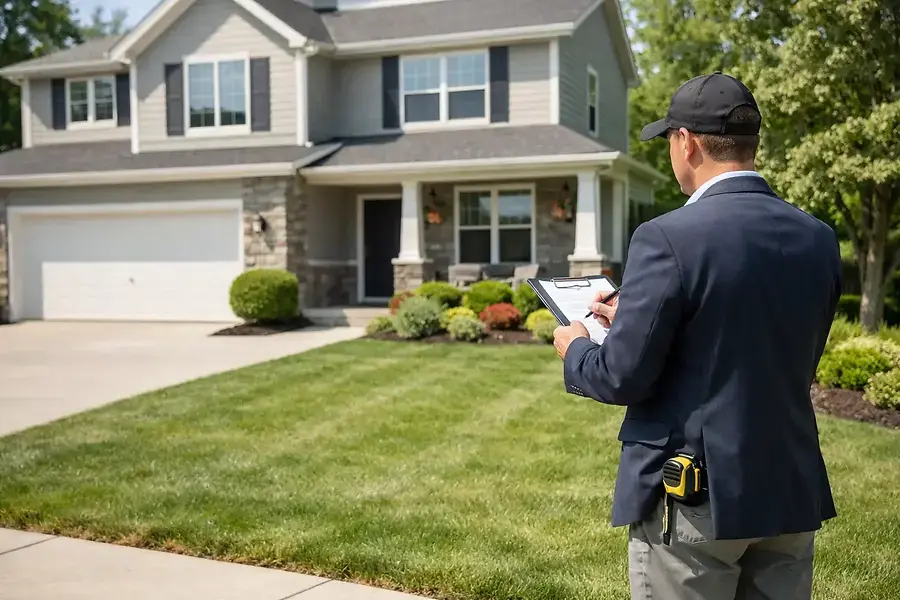
What Professional Appraisers Look For in Residential Properties
A residential appraisal is a critical component of any real estate transaction. Professional appraisers evaluate your home using a systematic approach to determine its fair market value. Understanding what they assess can help you present your property in the best possible light.
Structural Integrity and Foundation
Appraisers begin by examining the foundation, walls, and overall structural condition of your home. They look for signs of settling, cracks, water damage, or pest infestations. A solid foundation is essential to a home's value, and any structural concerns can significantly impact the appraisal.
Location and Comparable Properties
The location of your home plays a crucial role in its valuation. Appraisers analyze comparable properties in your neighborhood that have recently sold. They consider factors such as proximity to schools, employment centers, public transportation, and amenities. Neighborhood trends and market conditions also influence the final appraisal value.
Interior and Exterior Condition
Appraisers assess the condition of both the interior and exterior of your home. This includes:
- Roof condition and age
- Windows and doors functionality
- Flooring quality and condition
- Paint and wall conditions
- Kitchen and bathroom fixtures
- Landscaping and curb appeal
Systems and Appliances
The functionality of major systems is essential. Appraisers evaluate your HVAC system, electrical wiring, plumbing, and water heater. They also note the presence and condition of appliances, though these typically have less impact on overall value than structural elements.
Common Issues That Lower Home Appraisals and How to Address Them
Deferred Maintenance
One of the most common reasons for lower appraisals is deferred maintenance. Small repairs that have been neglected can add up and signal to appraisers that the home hasn't been well cared for. Address obvious issues such as:
- Leaky faucets or pipes
- Broken windows or damaged screens
- Peeling paint or stained ceilings
- Cracked tiles or damaged flooring
Poor Curb Appeal
First impressions matter. An unkempt yard, overgrown landscaping, or a weathered exterior can negatively impact an appraisal before the appraiser even steps inside. Invest in basic landscaping, fresh mulch, and a clean driveway to improve your home's exterior appearance.
Outdated Systems and Features
Older electrical systems, outdated plumbing, or aging HVAC units can lower your appraisal. While you don't need to replace everything, addressing critical system upgrades can improve your home's value significantly.
Structural Problems
Foundation issues, roof damage, or water intrusion are serious concerns that appraisers cannot overlook. These problems require professional inspection and repair before an appraisal.
Preparing Your Home for a Successful Appraisal
Clean and Declutter
A clean home makes a positive impression. Deep clean your entire home, including often-overlooked areas like baseboards, light fixtures, and windows. Remove excess clutter and personal items that might distract from the home's features. A well-organized space allows appraisers to better evaluate the property's condition and layout.
Make Minor Repairs
Address small maintenance issues before the appraisal. Fix leaky faucets, replace broken light bulbs, repair damaged drywall, and touch up paint. These inexpensive fixes demonstrate that your home is well-maintained and can positively influence the appraiser's assessment.
Enhance Curb Appeal
Spend time on your home's exterior. Trim bushes and trees, plant fresh flowers, power wash the driveway, and ensure the front entrance is welcoming. A well-maintained exterior creates a favorable first impression and sets a positive tone for the entire appraisal.
Organize Documentation
Prepare documentation of any recent improvements or upgrades you've made to your home. Have receipts, permits, and contractor information readily available. This documentation helps appraisers understand the value of your improvements and can support a higher appraisal.
Ensure Access and Safety
Make sure the appraiser can safely access all areas of your home, including the attic, basement, and crawl spaces. Remove obstacles and ensure adequate lighting. A safe and accessible property allows for a thorough evaluation.
Disputing an Appraisal: Your Rights and Options
Understanding Your Rights
If you believe your appraisal is inaccurate, you have the right to dispute it. Lenders are required to provide you with a copy of the appraisal, and you can request a review if you have legitimate concerns about the valuation.
Gathering Evidence
Before disputing an appraisal, compile evidence to support your case. This might include:
- Recent comparable sales in your neighborhood
- Documentation of recent upgrades or improvements
- Professional inspection reports
- Market analysis from a real estate agent
Requesting a Reconsideration of Value
Many lenders allow you to request a Reconsideration of Value (ROV) without paying for a new appraisal. Submit your evidence and a written explanation of why you believe the appraisal is inaccurate. The appraiser will review your submission and may adjust the valuation if warranted.
Ordering a Second Appraisal
If the ROV is unsuccessful, you can order a second appraisal at your own expense. A second appraisal can provide additional perspective and may support a higher valuation. However, be aware that this option involves additional costs.
Working with Your Lender
Maintain open communication with your lender throughout the dispute process. They may have additional options or insights that can help resolve the situation.
Remember that appraisals are professional opinions based on market data and property conditions, so disputes should be approached with documented evidence and realistic expectations.
Understanding the appraisal process and taking proactive steps to prepare your home can significantly impact the final valuation. By addressing maintenance issues, improving curb appeal, and organizing documentation, you can maximize your home's assessed value and ensure a smoother real estate transaction.


