Maximizing Your Property Value Across North Boston's 25 Communities
Essential strategies for increasing residential and commercial property returns in today's competitive North Boston real estate market.

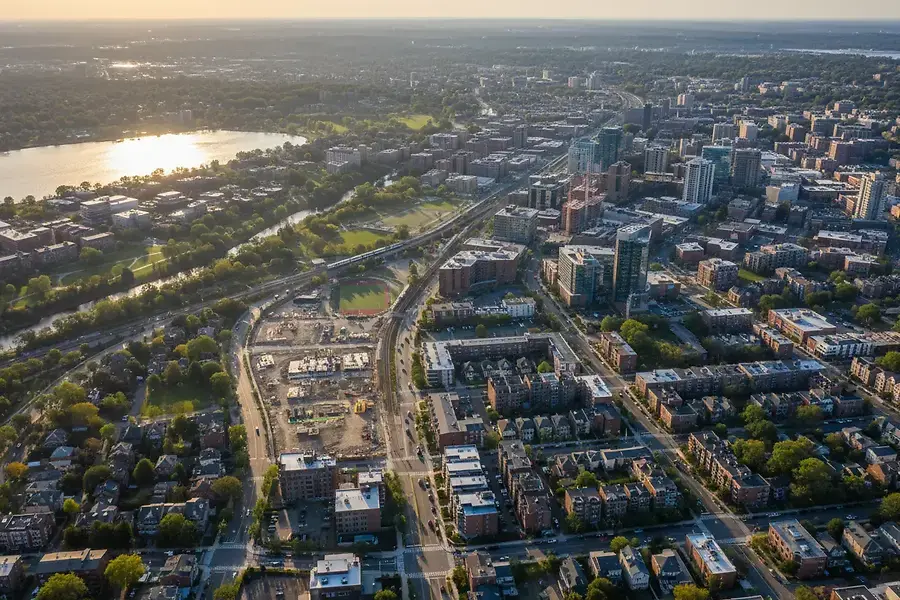
Understanding the North Boston Market Landscape
The North Boston real estate market encompasses 25 distinct communities, each with unique characteristics, demographics, and investment potential. This diverse region has become increasingly attractive to both residential and commercial property investors seeking strong returns and stable growth. Understanding the nuances of this market is the first step toward making informed decisions about your property investments.
North Boston's communities range from established suburban neighborhoods to emerging urban centers, creating varied opportunities for different investor profiles. The region benefits from strong transportation infrastructure, proximity to employment centers, and a growing population that continues to drive demand for quality housing and commercial spaces. Whether you're a first-time property owner or an experienced investor, recognizing these market dynamics is essential for success.
Key Factors That Drive Property Appreciation in These 25 Communities
Location and Accessibility
Location remains the cornerstone of property value in North Boston. Properties with excellent access to major highways, public transportation, and employment hubs command premium prices. Communities with strong connectivity to Boston's central business district and surrounding job centers consistently experience higher appreciation rates. Proximity to transit stations, shopping centers, and schools significantly impacts long-term property values.
Community Development and Infrastructure
Active community development initiatives directly influence property appreciation. Areas experiencing infrastructure improvements, new commercial developments, or revitalization projects typically see accelerated property value growth. Monitor local planning boards and development announcements to identify communities poised for growth. Schools, parks, and recreational facilities also play crucial roles in attracting buyers and renters, thereby supporting property values.
Market Demand and Demographics
Understanding demographic trends helps predict future demand. North Boston's 25 communities attract diverse populations, from young professionals to families and retirees. Communities experiencing population growth, particularly those attracting higher-income residents, typically see stronger property appreciation. Research local employment opportunities and wage trends to gauge future demand in specific communities.
Economic Indicators and Local Business Growth
The health of local economies directly impacts property values. Communities with diverse business bases, growing employers, and low unemployment rates tend to experience stronger property appreciation. Keep track of:
- New business openings and expansions
- Commercial real estate development
- Local employment statistics
- Business confidence indicators
Practical Strategies for Enhancing Your Property's Value
Strategic Property Improvements
Not all improvements yield equal returns. Focus on upgrades that appeal to your target market and provide strong return on investment. Kitchen and bathroom renovations, energy-efficient systems, and curb appeal improvements typically offer the best returns. Consider your community's market segment when planning improvements—luxury upgrades may not be appropriate in all neighborhoods.
Optimize Your Property's Positioning
How you present your property matters significantly. Whether selling or renting, professional staging, quality photography, and compelling descriptions attract higher-quality buyers and tenants. Highlight community amenities and unique property features that resonate with your target demographic. In today's market, online presence is crucial—ensure your property is well-represented across all major listing platforms.
Leverage Community Strengths
Each of North Boston's 25 communities has distinct advantages. Identify and emphasize the specific strengths of your community:
- Urban communities: Walkability, dining, entertainment, and cultural attractions
- Suburban areas: Family-friendly amenities, schools, and spacious properties
- Emerging neighborhoods: Growth potential, affordability, and development opportunities
Stay Informed About Market Trends
Successful property investors maintain awareness of market conditions. Track metrics such as average sale prices, days on market, inventory levels, and rental rates in your specific community. Understanding whether you're in a buyer's or seller's market helps you time your decisions strategically. Subscribe to local real estate reports and attend community meetings to stay ahead of market shifts.
Build Strong Tenant and Buyer Relationships
For rental properties, quality tenants contribute to property value through consistent income and property maintenance. Screen tenants carefully and maintain professional relationships. For sales, work with experienced real estate professionals who understand your specific community's market dynamics. A knowledgeable agent can help you price competitively and market effectively.
Consider Long-Term Value Creation
While short-term improvements matter, think strategically about long-term value creation. This might include:
- Positioning for future community development
- Acquiring properties in emerging neighborhoods before major improvements
- Investing in properties with development potential
- Building a diversified portfolio across multiple communities
Conclusion: Your Path to Real Estate Success
Maximizing property value across North Boston's 25 communities requires a combination of market knowledge, strategic planning, and practical execution. Success comes from understanding your specific community's dynamics, making informed improvements, and positioning your property effectively.
Start by thoroughly researching your community's market fundamentals and growth trajectory. Identify specific improvements that will resonate with your target market. Stay informed about local developments and economic indicators. Most importantly, view your property investment as a long-term endeavor where patience, strategic thinking, and continuous learning pay dividends.
Whether you're enhancing a residential property or developing commercial real estate, the principles remain consistent: location matters, quality improvements yield returns, and market awareness drives success. By implementing these strategies and maintaining a long-term perspective, you can confidently navigate North Boston's competitive real estate market and achieve your property value goals.