Metro Detroit Real Estate: Residential, Commercial, and Mixed-Use Opportunities
Expert insights into investment opportunities across Troy, Royal Oak, Detroit, Macomb, Grosse Pointe, Birmingham, Southfield, and Sterling Heights.

Introduction: Understanding Metro Detroit's Diverse Real Estate Landscape
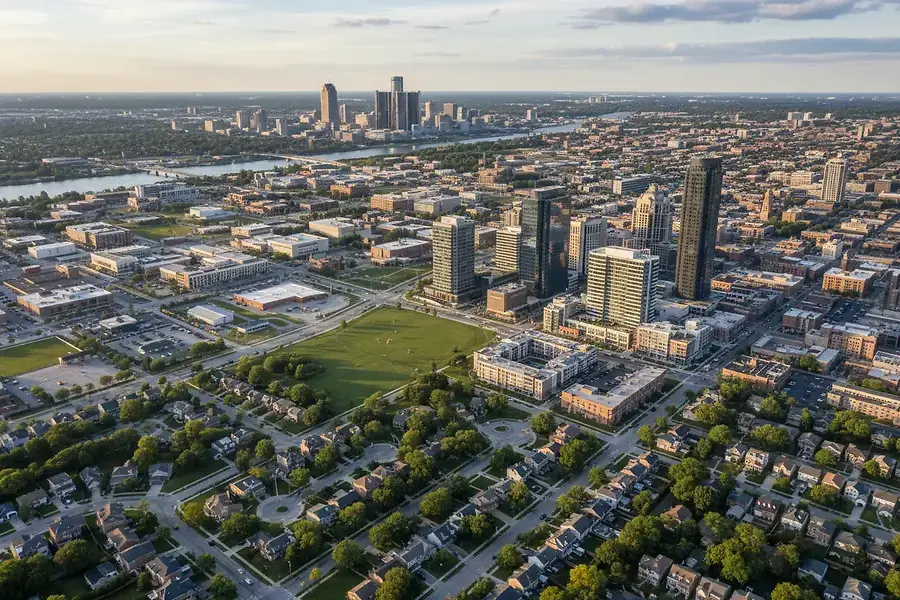
The Metro Detroit real estate market has undergone a remarkable transformation in recent years, evolving from a region defined by automotive heritage into a dynamic hub of diverse investment opportunities. From the upscale neighborhoods of Grosse Pointe to the revitalized downtown corridors of Detroit, the region offers something for every investor and homebuyer. Understanding this multifaceted landscape is essential for anyone looking to capitalize on the opportunities that Metro Detroit presents.
The region's strength lies in its diversity. Unlike markets dominated by a single sector or demographic, Metro Detroit offers residential, commercial, and mixed-use opportunities that cater to different investment strategies and risk profiles. Whether you're a first-time homebuyer, a seasoned investor, or a developer, the market provides pathways to success.
Residential Market Trends: Where Buyers Are Finding Value Across the Region
Premium Neighborhoods and Established Communities
Communities like Grosse Pointe and Birmingham continue to attract affluent buyers seeking established neighborhoods with strong schools and prestigious addresses. These areas maintain steady appreciation and offer properties that serve as both primary residences and long-term investments. The architectural character and tree-lined streets of these communities provide timeless appeal.
Royal Oak has emerged as a vibrant destination for younger professionals and families seeking walkable neighborhoods with excellent dining, entertainment, and cultural amenities. The downtown revitalization has driven residential demand, with both new construction and renovated historic properties commanding strong interest.
Value-Oriented Markets and Emerging Neighborhoods
Smart investors are increasingly looking to Troy, Southfield, and Sterling Heights for properties offering excellent value. These communities provide:
- Competitive pricing compared to premium neighborhoods
- Strong school systems and family-friendly amenities
- Growing commercial corridors that support property appreciation
- Diverse housing stock from condominiums to single-family homes
Macomb County continues to attract families seeking suburban living with convenient access to employment centers. The county's affordability relative to Oakland County makes it an attractive option for first-time homebuyers and investors seeking rental income opportunities.
Detroit's Residential Renaissance
Detroit's residential market has experienced significant momentum, with neighborhoods like Corktown, Midtown, and Downtown attracting young professionals, artists, and investors. The combination of affordable entry prices, historic character, and urban amenities has created a compelling investment case. Renovation and adaptive reuse projects are transforming neighborhoods while preserving architectural heritage.
Commercial and Mixed-Use Opportunities: The Future of Metro Detroit Development
Office and Retail Evolution
The commercial real estate sector in Metro Detroit is adapting to changing workplace dynamics and consumer preferences. Southfield remains a major office hub, with corporate headquarters and professional services firms anchoring the market. However, the trend toward flexible workspaces and suburban office parks is reshaping demand patterns.
Retail is undergoing significant transformation. Traditional shopping centers are being reimagined as mixed-use destinations that combine retail, dining, and entertainment. Properties that adapt to these changing consumer behaviors are positioned for success.
Mixed-Use Development as a Growth Engine
Mixed-use developments represent one of the most exciting opportunities in Metro Detroit. These projects combine residential, retail, office, and entertainment spaces in walkable environments. Key characteristics include:
- Urban density that supports diverse tenant bases and customer traffic
- Lifestyle integration where residents can live, work, and play in the same community
- Resilience through diversified revenue streams across multiple property types
- Sustainability through reduced car dependency and efficient land use
Communities like Royal Oak and downtown Detroit are leading this trend, with successful mixed-use projects attracting both national retailers and local entrepreneurs. These developments command premium pricing and demonstrate strong leasing velocity.
Industrial and Logistics Opportunities
Metro Detroit's location and transportation infrastructure make it an attractive hub for industrial and logistics operations. The region's proximity to major highways, rail networks, and the Port of Detroit creates opportunities for warehouse, distribution, and manufacturing facilities. E-commerce growth continues to drive demand for modern logistics space.
Adaptive Reuse and Historic Preservation
Historic buildings throughout Metro Detroit are being transformed into modern commercial and residential spaces. These adaptive reuse projects offer:
- Tax incentives and historic preservation credits
- Unique architectural character that attracts premium tenants
- Reduced development timelines compared to ground-up construction
- Community goodwill and local support
Conclusion: Positioning Yourself as a Local Expert in a Dynamic Market
Success in Metro Detroit real estate requires understanding the region's nuanced dynamics. The market is not monolithic—each community has distinct characteristics, growth drivers, and investment profiles. Grosse Pointe and Birmingham offer stability and prestige, while Troy, Southfield, and Sterling Heights provide value and growth potential. Royal Oak combines both elements with urban amenities and strong fundamentals. Detroit itself offers the most dramatic transformation and opportunity for investors willing to embrace urban revitalization.
To position yourself as a local expert, focus on:
- Developing deep knowledge of neighborhood-specific trends and demographics
- Understanding the economic drivers that support property values in each community
- Building relationships with local developers, investors, and community leaders
- Staying informed about infrastructure projects and zoning changes
- Recognizing emerging neighborhoods before they become mainstream
The Metro Detroit real estate market offers exceptional opportunities for those who understand its complexity and diversity. Whether your focus is residential, commercial, or mixed-use development, the region provides a dynamic environment for building wealth and creating lasting value. By combining local expertise with strategic thinking, you can capitalize on the opportunities that make Metro Detroit one of the most compelling real estate markets in the Midwest.


