Miami Real Estate Market: Navigating Residential and Commercial Opportunities
Discover how savvy investors are balancing residential comfort with commercial potential in Miami's dynamic real estate landscape.

Understanding Miami's Dual Market: Residential vs. Commercial Fundamentals
Miami's real estate market presents a unique landscape where residential and commercial properties coexist in a dynamic ecosystem. Understanding the fundamental differences between these two sectors is essential for any investor looking to maximize returns and build a diversified portfolio.
Residential properties in Miami range from single-family homes to luxury condominiums and multi-unit apartment buildings. These properties generate income through rental yields and appreciate over time as the city continues to attract new residents. The residential market thrives on lifestyle factors, neighborhood amenities, and proximity to employment centers.
Commercial properties, on the other hand, include office spaces, retail locations, warehouses, and mixed-use developments. Commercial real estate typically offers higher income potential through lease agreements with established businesses, though it requires more active management and market analysis. The commercial sector is heavily influenced by business cycles, economic growth, and corporate relocation trends.
The Mixed-Use Advantage
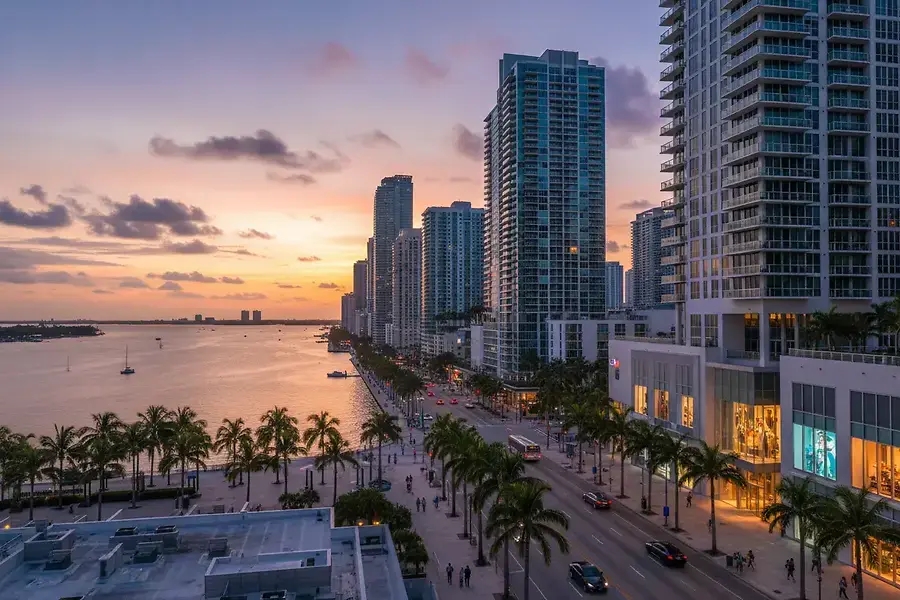
Miami's most progressive investors recognize the power of mixed-use developments that seamlessly blend residential and commercial spaces. These properties create vibrant communities where people live, work, and shop in close proximity, reducing commute times and enhancing quality of life. Mixed-use neighborhoods have become increasingly attractive to both residents and businesses, driving sustained property value appreciation.
Key Factors Driving Property Values in Miami's Mixed-Use Neighborhoods
Location and Accessibility
The mantra "location, location, location" rings particularly true in Miami's real estate market. Properties situated in walkable neighborhoods with excellent public transportation access, proximity to major highways, and nearby amenities command premium prices. Areas like Wynwood, Brickell, and Midtown Miami exemplify how strategic location drives both residential desirability and commercial viability.
Economic Growth and Business Development
Miami's emergence as a global business hub has significantly impacted property values. The influx of tech companies, financial institutions, and international corporations has created robust demand for both office space and residential accommodations for their employees. This economic momentum creates a virtuous cycle where commercial growth attracts residents, and residential growth supports commercial expansion.
Infrastructure and Urban Development
Ongoing infrastructure improvements, including transportation networks, utilities, and public spaces, substantially enhance property values. Neighborhoods undergoing revitalization projects often experience accelerated appreciation as investors anticipate future growth. Smart investors monitor development plans and zoning changes to identify emerging opportunities before they become mainstream.
Demographic Trends and Population Growth
Miami continues to attract diverse populations seeking warm weather, cultural diversity, and economic opportunity. Young professionals, families, and retirees all contribute to sustained demand for residential properties. Simultaneously, businesses follow this growing population, creating demand for commercial spaces. Understanding demographic shifts helps investors anticipate market movements and position themselves advantageously.
Strategic Investment Approaches for Residential and Commercial Properties
The Buy-and-Hold Strategy
Long-term investors often employ a buy-and-hold approach, acquiring properties in emerging neighborhoods with strong growth potential. This strategy capitalizes on appreciation over time while generating consistent rental income. In Miami's market, properties purchased in up-and-coming areas frequently see substantial value increases within 5-10 years as neighborhoods mature and infrastructure improves.
Value-Add Investments
Savvy investors identify underperforming properties with hidden potential. By renovating, repositioning, or improving management practices, investors can significantly increase property values and rental income. This approach requires market knowledge and operational expertise but offers substantial returns for those willing to invest time and capital in property improvement.
Mixed-Use Development Opportunities
Forward-thinking investors are increasingly pursuing mixed-use development projects that combine residential units with ground-floor retail or office spaces. These developments command premium pricing and attract quality tenants due to their integrated nature. While requiring larger capital investments and more complex management, mixed-use projects offer superior long-term returns and portfolio diversification.
Strategic Partnerships and Syndication
Many successful Miami investors leverage partnerships and real estate syndication to access larger deals and spread risk. By pooling resources with other investors, individuals can participate in commercial properties or major developments that would be unattainable alone. This collaborative approach democratizes access to premium investment opportunities.
Positioning Yourself for Success in Miami's Competitive Real Estate Market
Conduct Thorough Market Research
Success in Miami's real estate market begins with comprehensive research. Study neighborhood trends, analyze comparable property sales, review rental rates, and understand local zoning regulations. Data-driven decision-making separates successful investors from those who rely on intuition alone. Utilize local real estate databases, attend market seminars, and network with experienced professionals to stay informed.
Build a Reliable Professional Network
Establish relationships with experienced real estate agents, property managers, contractors, and legal professionals. These connections provide invaluable insights into market opportunities, help identify off-market deals, and ensure smooth transaction execution. A strong network often means the difference between average and exceptional investment returns.
Understand Financing Options
Miami's competitive market demands creative financing strategies. Explore conventional mortgages, commercial loans, private lending, and alternative financing structures. Understanding your financing options allows you to move quickly when opportunities arise and negotiate better terms. Work with lenders experienced in Miami's market to optimize your capital structure.
Focus on Cash Flow and Risk Management
While appreciation is important, positive cash flow ensures your investments remain sustainable. Calculate realistic rental income, account for vacancies, and budget for maintenance and property management. Diversify your portfolio across residential and commercial properties to mitigate risk. A balanced approach protects your investments during market downturns while positioning you for growth during expansions.
Stay Adaptable and Forward-Thinking
Miami's real estate market evolves continuously. Successful investors remain flexible, adapting their strategies as market conditions change. Monitor emerging neighborhoods, stay aware of demographic shifts, and anticipate economic trends. The investors who thrive are those who combine data-driven analysis with the flexibility to pivot when opportunities shift.
Miami's real estate market offers exceptional opportunities for investors willing to understand its complexities and develop strategic approaches. By balancing residential comfort with commercial potential, conducting thorough research, and building strong professional networks, you can position yourself for sustained success in this dynamic market. The key is recognizing that residential and commercial properties are not competitors but complementary assets that, when strategically combined, create powerful wealth-building opportunities.


