Miami Residential Market Trends: Essential Insights for Smart Buyers
Understand current pricing, inventory levels, and neighborhood dynamics shaping Miami's residential real estate landscape.

Introduction: The Current State of Miami's Residential Market
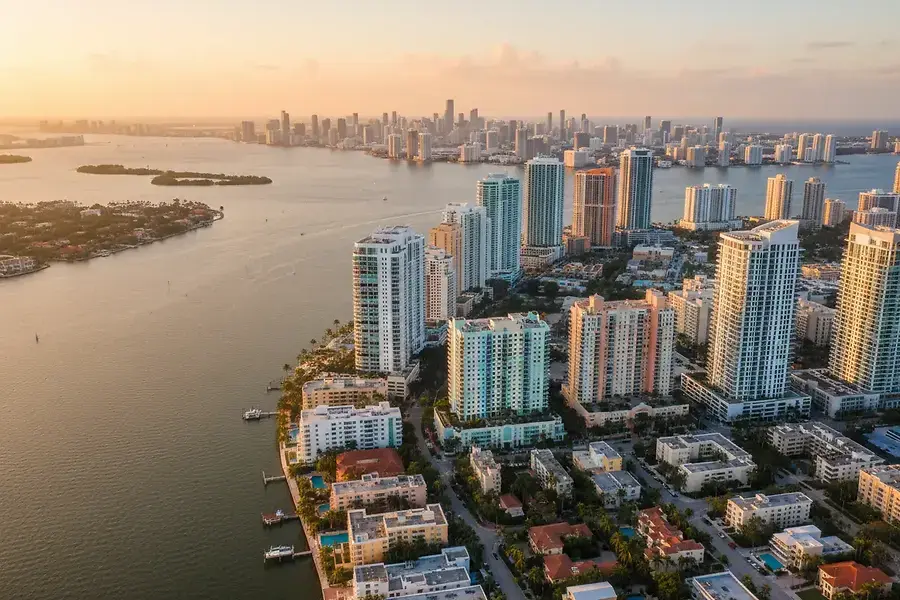
Miami's residential real estate market continues to be one of the most dynamic and competitive in the United States. With its year-round tropical climate, vibrant cultural scene, and strong economic growth, the city attracts both domestic and international buyers seeking investment opportunities and lifestyle upgrades. Understanding the current market conditions is essential for anyone considering a purchase in this bustling metropolitan area.
The Miami residential market has experienced significant evolution in recent years, shaped by changing buyer preferences, economic factors, and demographic shifts. Whether you're a first-time homebuyer, an experienced investor, or someone relocating to South Florida, having a clear grasp of market trends will empower you to make strategic decisions that align with your financial goals.
Understanding Price Trends and Inventory Across Miami Neighborhoods
Price Dynamics in Key Miami Areas
Miami's residential prices vary considerably depending on location, with different neighborhoods offering distinct value propositions. Downtown Miami continues to attract urban professionals seeking modern condominiums and walkable communities, while Coral Gables remains a premier destination for those seeking established neighborhoods with architectural charm and larger single-family homes.
The Brickell neighborhood has solidified its position as a luxury residential hub, featuring high-rise developments and upscale amenities. Meanwhile, emerging areas like Wynwood and Allapattah are gaining traction among younger buyers and investors looking for more affordable entry points with strong appreciation potential.
Current Inventory Levels and Market Balance
Inventory levels across Miami neighborhoods tell an important story about market conditions. In premium neighborhoods, inventory remains relatively tight, supporting strong seller positions. However, in emerging areas and certain residential corridors, inventory levels have stabilized, creating more balanced conditions that favor informed buyers.
- Luxury segment: Limited inventory continues to drive competition and higher price points
- Mid-range market: More balanced inventory levels provide buyers with greater selection and negotiating power
- Emerging neighborhoods: Increased inventory offers opportunities for value-conscious buyers and investors
- Waterfront properties: Consistently limited supply maintains premium pricing across all price ranges
The relationship between supply and demand varies significantly by price point and location, making neighborhood-specific research crucial for prospective buyers.
Key Factors Influencing Residential Property Values in Miami
Economic and Demographic Drivers
Several fundamental factors continue to shape Miami's residential market. Population growth remains a primary driver, as Miami attracts professionals from across the country and international relocations continue at a steady pace. This sustained demand provides underlying support for property values across most neighborhoods.
Interest rates and financing conditions significantly impact buyer purchasing power and market activity. Changes in mortgage rates directly influence affordability and can shift buyer preferences toward different price ranges and property types. Additionally, remote work trends have expanded Miami's appeal beyond traditional business sectors, attracting talent from various industries.
Infrastructure and Development Projects
Ongoing infrastructure improvements and development projects play a vital role in neighborhood appreciation. Major transit initiatives, commercial developments, and public space improvements enhance neighborhood desirability and support long-term value growth. Buyers should monitor planned projects in their target neighborhoods, as these can significantly impact future property values.
"Smart buyers understand that Miami's market success depends on recognizing which neighborhoods are positioned for growth while maintaining strong current fundamentals."
Climate, Lifestyle, and Quality of Life Factors
Miami's appeal extends beyond economic metrics. The city's world-class beaches, cultural attractions, dining scene, and entertainment options create a lifestyle proposition that justifies premium pricing for many buyers. Additionally, the absence of state income tax provides a financial advantage for high-income earners and retirees.
However, prospective buyers should also consider climate-related factors, including hurricane season and flood risk. Properties in flood-prone areas may face higher insurance costs and potential challenges with future financing and resale value. Understanding flood maps and elevation data is increasingly important for informed decision-making.
Market Sentiment and Buyer Psychology
Market sentiment influences buyer behavior and pricing expectations. Positive economic news, celebrity relocations, and media coverage of Miami's growth can fuel demand and support price appreciation. Conversely, concerns about affordability or economic uncertainty can create hesitation among potential buyers.
Successful buyers recognize that market psychology creates both opportunities and risks. During periods of high demand, competition intensifies and prices rise. During softer periods, motivated sellers may offer better terms and pricing flexibility.
Conclusion: Making Informed Decisions in Miami's Dynamic Market
Miami's residential market offers compelling opportunities for buyers who approach their purchase strategically. Success requires understanding local price trends, evaluating inventory conditions, and recognizing the factors that drive property values in specific neighborhoods.
Key takeaways for smart buyers include:
- Research neighborhood-specific trends rather than relying on citywide averages
- Evaluate both current market conditions and long-term growth potential
- Consider lifestyle factors alongside financial metrics when selecting neighborhoods
- Work with experienced local professionals who understand Miami's unique market dynamics
- Factor in climate-related considerations and future resilience when evaluating properties
- Monitor economic indicators and development projects that may impact future values
Whether you're seeking a primary residence, an investment property, or a vacation home, Miami's diverse neighborhoods and dynamic market conditions provide options for various buyer profiles. By combining thorough market research with professional guidance, you can navigate Miami's residential landscape with confidence and make decisions that align with your long-term goals.
The Miami residential market rewards informed, strategic buyers who take time to understand local conditions and make decisions based on data rather than emotion. Your success in this competitive market depends on staying informed, remaining patient, and recognizing opportunities when they align with your specific objectives.


