Miami's Commercial Real Estate Market: Key Factors Driving Property Values
Discover what's influencing commercial property prices and investment returns in Miami's competitive business landscape.

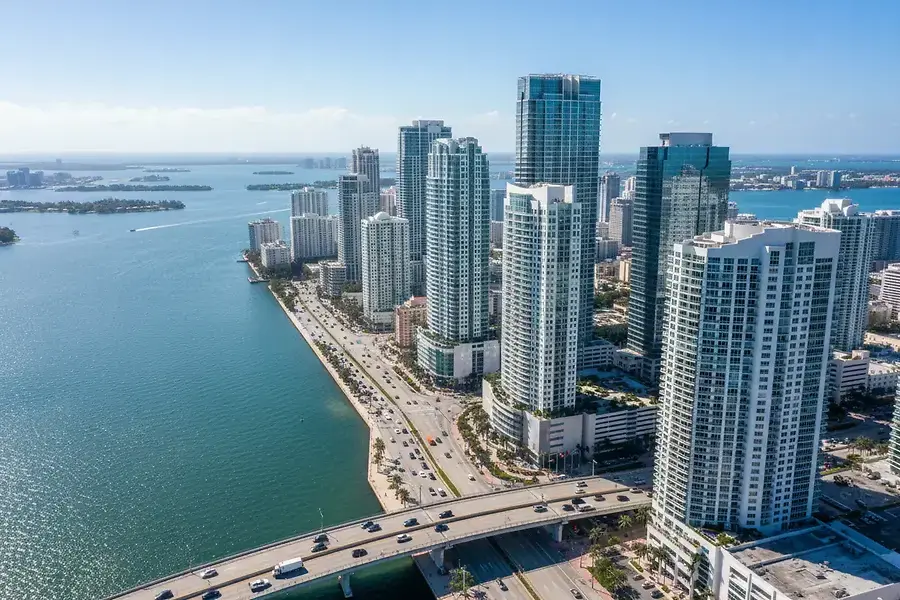
Introduction: Understanding Miami's Commercial Real Estate Dynamics
Miami has emerged as one of the most vibrant and competitive commercial real estate markets in the United States. The city's strategic location, diverse economy, and business-friendly environment have attracted investors, entrepreneurs, and corporations from around the globe. Understanding the key factors that drive property values in this dynamic market is essential for anyone looking to make informed investment decisions or establish a successful business presence in South Florida.
The commercial real estate landscape in Miami is shaped by multiple interconnected factors that create both opportunities and challenges for investors and business owners. From economic indicators to geographic advantages, each element plays a crucial role in determining property values and investment potential.
Economic Growth and Business Development Fueling Demand
Diversified Economic Base
Miami's economy extends far beyond tourism and hospitality. The city has successfully diversified its business sectors, creating a robust foundation for commercial real estate growth. Key industries driving demand include:
- Finance and Banking: Miami has become a major financial hub, particularly for Latin American and Caribbean banking operations, attracting major financial institutions and investment firms.
- Technology and Innovation: The city's growing tech ecosystem has attracted startups and established tech companies seeking office space and collaborative environments.
- International Trade: As a gateway to Latin America and the Caribbean, Miami's port and logistics sectors continue to expand, driving demand for warehouse and distribution facilities.
- Healthcare and Life Sciences: The region's medical research facilities and healthcare providers have created significant demand for specialized commercial spaces.
- Hospitality and Entertainment: The tourism industry remains a cornerstone of Miami's economy, supporting demand for hotel properties and entertainment venues.
Population Growth and Workforce Expansion
Miami's population continues to grow at a steady pace, driven by both domestic migration and international relocation. This population growth directly translates to increased demand for commercial spaces, including office buildings, retail centers, and service-oriented facilities. The influx of skilled professionals and entrepreneurs has created a competitive labor market that attracts businesses seeking talented workforces.
Corporate Relocations and Expansions
Several major corporations have recently established or expanded their operations in Miami, signaling confidence in the market's long-term viability. These relocations bring not only direct demand for office space but also create secondary demand for supporting commercial properties such as restaurants, retail outlets, and service centers.
Location-Specific Advantages and Investment Hotspots Across Miami
Downtown Miami and Brickell
The downtown core and Brickell district remain the city's premier commercial destinations. These areas offer high-rise office buildings, luxury retail spaces, and mixed-use developments that attract premium tenants and command top-tier rental rates. The concentration of financial institutions, law firms, and corporate headquarters in these neighborhoods ensures consistent demand and strong property appreciation potential.
Wynwood and Design District
Once considered emerging neighborhoods, Wynwood and the Design District have transformed into thriving commercial hubs. The creative economy has flourished in these areas, attracting art galleries, design studios, tech companies, and trendy restaurants. Property values in these neighborhoods have appreciated significantly, making them attractive for investors seeking growth potential.
Midtown Miami and Allapattah
These neighborhoods represent the next frontier for commercial real estate investment. With more affordable entry points compared to downtown areas, Midtown Miami and Allapattah offer opportunities for investors looking to capitalize on emerging growth trends. Ongoing infrastructure improvements and urban revitalization projects are expected to drive future property value increases.
Coral Gables and Coconut Grove
These upscale neighborhoods continue to attract high-end retail, professional services, and boutique office spaces. The tree-lined streets, architectural character, and affluent resident base create a unique commercial environment that supports premium pricing and stable tenant demand.
Strategic Accessibility and Transportation
Miami's commercial real estate values are significantly influenced by proximity to major transportation corridors, including Interstate 95, the Palmetto Expressway, and Miami International Airport. Properties with excellent accessibility command premium prices due to reduced commute times and improved logistics efficiency. The ongoing expansion of public transportation infrastructure, including the Metrorail system, continues to enhance property values in connected areas.
Additional Market Drivers and Considerations
International Investment and Capital Inflow
Miami's status as an international business hub attracts foreign investors seeking U.S. commercial real estate exposure. This international capital inflow creates additional demand pressure on premium properties and supports strong price appreciation in key markets.
Regulatory Environment and Business Incentives
Florida's favorable business climate, including no state income tax and business-friendly regulations, makes Miami an attractive destination for corporate relocation. These factors contribute to sustained demand for commercial real estate and support long-term property value growth.
The convergence of economic opportunity, strategic location, and favorable business conditions positions Miami as a premier commercial real estate market with strong fundamentals and growth potential.
Conclusion: Positioning Yourself as a Miami Commercial Real Estate Expert
Miami's commercial real estate market is driven by a complex interplay of economic, geographic, and regulatory factors that create compelling investment opportunities. Understanding these key drivers—from economic diversification and population growth to location-specific advantages and international investment flows—is essential for success in this competitive landscape.
Whether you're an investor seeking portfolio diversification, a business owner looking to establish operations in South Florida, or a real estate professional aiming to deepen your market expertise, staying informed about these market dynamics is crucial. The neighborhoods and sectors experiencing the strongest growth today may offer the best returns tomorrow, making continuous market analysis and strategic positioning essential for long-term success.
By recognizing and leveraging these key factors, you can make more informed decisions and position yourself as a knowledgeable participant in Miami's dynamic commercial real estate market.


