Mill Valley Home Inspection Essentials: What Buyers Need to Know
Discover the critical inspection checkpoints that protect your investment and reveal hidden issues before you buy in Mill Valley.

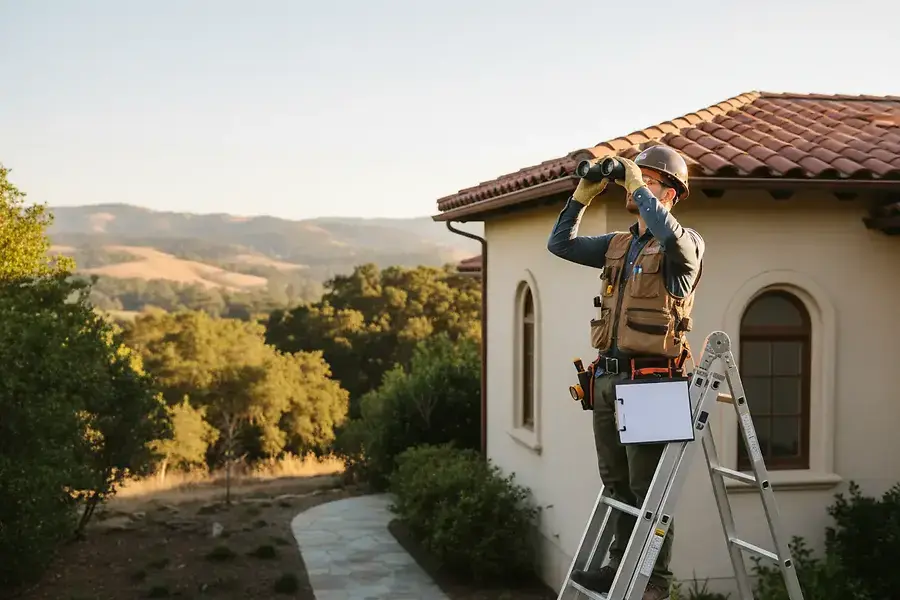
Why Home Inspections Matter in Mill Valley's Competitive Market
In Mill Valley's fast-paced real estate market, home inspections serve as your most valuable defense against costly surprises. With properties moving quickly and competition fierce, buyers often feel pressured to skip thorough due diligence. However, a comprehensive home inspection is non-negotiable—it's the difference between discovering a minor plumbing issue during inspection versus facing a $15,000 foundation repair after closing.
Mill Valley's unique climate and architectural styles create specific vulnerabilities. Older homes with character and charm may hide structural issues, while newer constructions can have installation defects. An experienced inspector familiar with the area understands these regional challenges and knows exactly where problems typically hide.
A professional inspection protects your investment by:
- Identifying structural, mechanical, and safety issues before purchase
- Providing documentation for insurance and financing purposes
- Giving you leverage for price negotiations or repairs
- Revealing maintenance needs and future expenses
- Ensuring the home meets building codes and safety standards
Key Areas Inspectors Evaluate and Red Flags to Watch For
Foundation and Structural Integrity
The foundation is your home's backbone. Inspectors examine concrete for cracks, settling, and water damage. In Mill Valley, where moisture and soil conditions vary, foundation issues are common concerns. Red flags include: horizontal cracks wider than 1/8 inch, bowing walls, or evidence of previous repairs without proper documentation.
Roofing and Exterior
Mill Valley's weather patterns demand a robust roof. Inspectors assess shingle condition, flashing integrity, and gutter functionality. Watch for: missing or curled shingles, moss growth indicating moisture retention, improper ventilation, and signs of water intrusion. The roof's age is critical—most roofs last 20-25 years, and replacement costs are substantial.
Plumbing Systems
Water damage is one of the most expensive issues to remediate. Inspectors test water pressure, check for leaks, and evaluate pipe materials. Common concerns include: outdated galvanized pipes prone to corrosion, polybutylene pipes with known failure rates, and signs of water damage in walls or ceilings. Ask about the water heater's age and condition—replacement typically costs $1,500-$3,000.
Electrical Systems
Safety is paramount. Inspectors verify proper grounding, adequate circuit capacity, and code compliance. Red flags include: outdated fuse boxes instead of circuit breakers, aluminum wiring (fire hazard), insufficient outlets, and evidence of amateur electrical work. Upgrading electrical systems can be expensive, so understanding current conditions is essential.
HVAC and Ventilation
Heating and cooling systems are major investments. Inspectors evaluate furnace and air conditioning unit age, efficiency, and maintenance history. Be cautious of: systems over 15 years old, inadequate ductwork, poor insulation, and signs of improper installation. Mill Valley's temperature variations mean your HVAC system works hard year-round.
Insulation and Energy Efficiency
Proper insulation affects comfort and utility bills. Inspectors assess attic insulation levels, wall insulation, and weatherstripping. Issues to note: insufficient insulation (below R-38 in attics), air leaks around windows and doors, and outdated single-pane windows. Energy-efficient upgrades can be costly but improve long-term value.
Interior Conditions
Inspectors examine walls, ceilings, and floors for water damage, mold, and structural issues. Watch for: soft spots in flooring indicating rot, water stains suggesting past leaks, visible mold, and cracks suggesting settlement. These issues may indicate larger problems requiring specialist evaluation.
How to Prepare for Inspection Day and Interpret Your Report
Before the Inspector Arrives
Preparation ensures a thorough inspection. Do the following:
- Ensure all utilities are on and accessible
- Clear attic and basement access points
- Unlock all doors and gates
- Provide documentation of recent repairs or maintenance
- Make a list of known issues to discuss with the inspector
During the Inspection
Attend the inspection if possible. Walk through with the inspector, ask questions, and take notes. Understanding issues firsthand is more valuable than reading a report. Request clarification on technical terms and ask about severity levels. Key questions to ask: "Is this a safety issue?" "How soon will this need repair?" "What's the estimated cost to fix?"
Interpreting Your Report
Inspection reports typically categorize findings by severity. Understand these levels:
- Critical: Safety hazards or major structural issues requiring immediate attention
- Major: Significant defects affecting home value or functionality
- Minor: Cosmetic issues or maintenance items
- Informational: Observations about age, condition, or maintenance needs
Don't panic over minor issues—every home has them. Focus on critical and major findings. Research repair costs for significant items and prioritize based on safety and impact on home value.
Getting a Second Opinion
For major issues, consider hiring specialists. A structural engineer, electrician, or plumber can provide detailed assessments and repair estimates. This investment protects you from making decisions based on incomplete information.
Using Inspection Findings to Negotiate and Secure Your Mill Valley Home
Inspection results are your negotiating tool. You have several options: request repairs before closing, ask for a price reduction, or request a credit at closing for repairs you'll handle yourself. Present repair estimates from licensed contractors to support your requests.
Be strategic. Prioritize critical safety issues and major structural problems. Sellers may be more willing to address these than cosmetic concerns. If negotiations stall, you can walk away—the inspection contingency protects you.
Remember: A thorough home inspection is an investment in peace of mind. In Mill Valley's competitive market, it's the one step that ensures you're making an informed decision about one of life's largest purchases. Don't let urgency override due diligence. Your future self will thank you.


