Milton MA Commercial Zoning Guide: Buyer's Essential Information
Navigate zoning regulations and land use classifications to identify the perfect commercial property for your business in Milton.

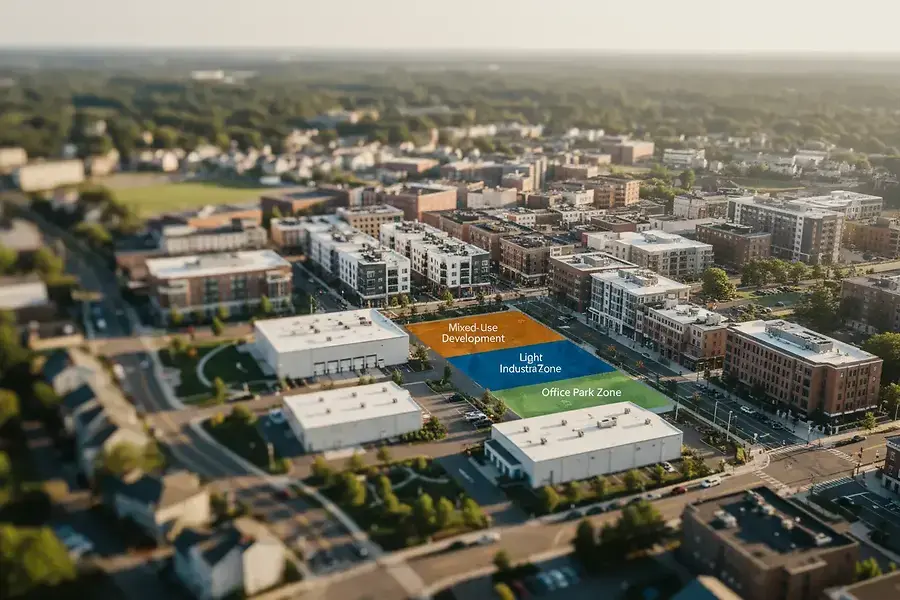
Understanding Commercial Zoning in Milton
Commercial zoning is a critical component of real estate development and business expansion in Milton, Massachusetts. Whether you're a seasoned entrepreneur or a first-time business owner, understanding how zoning regulations work can make the difference between a successful property investment and a costly mistake. Zoning laws dictate what types of businesses can operate in specific areas, how buildings can be used, and what development standards must be met.
Milton's zoning ordinances are designed to balance economic growth with community preservation. The town maintains distinct zoning districts to ensure that commercial activities complement residential neighborhoods and protect the overall character of the community. Before purchasing any commercial property in Milton, it's essential to understand these regulations and how they apply to your business needs.
Key Zoning Districts and What They Allow
Business District (BD)
The Business District is Milton's primary commercial zone, typically located along major thoroughfares and established commercial corridors. This district permits a wide range of retail, office, and service-oriented businesses. Common uses include:
- Retail stores and shopping centers
- Professional offices (medical, legal, accounting)
- Banks and financial institutions
- Restaurants and food service establishments
- Personal services (salons, dry cleaning, fitness centers)
The Business District typically has fewer restrictions than other zones, making it ideal for entrepreneurs seeking flexibility in their operations.
Mixed-Use Development Zone (MUD)
Milton's Mixed-Use Development Zone encourages properties that combine residential and commercial uses. This district is perfect for businesses that want to operate in vibrant, walkable neighborhoods with residential components. Permitted uses include:
- Ground-floor retail with upper-level apartments
- Office spaces integrated with residential units
- Restaurants and cafes in mixed-use buildings
- Professional services with residential components
This zone promotes community engagement and supports local businesses while maintaining neighborhood character.
Light Industrial Zone (LI)
The Light Industrial Zone accommodates businesses that require more space and have minimal impact on surrounding areas. This district is suitable for manufacturing, warehousing, and distribution operations. Permitted uses include:
- Light manufacturing and assembly
- Warehousing and storage facilities
- Distribution centers
- Wholesale operations
- Contractor offices and equipment storage
Important Note: Heavy industrial uses, hazardous material processing, and operations with significant noise or pollution are generally prohibited in this zone.
Office Park Zone (OP)
The Office Park Zone is designed for professional and corporate office environments. This district emphasizes landscaping, parking, and professional aesthetics. Permitted uses include:
- Corporate headquarters and branch offices
- Professional service firms
- Technology and software companies
- Medical and dental offices
- Business support services
How Zoning Affects Your Commercial Property Purchase
Permitted vs. Conditional Uses
Understanding the difference between permitted and conditional uses is crucial. Permitted uses are automatically allowed in a zoning district without special approval. Conditional uses require approval from the Zoning Board of Appeals and may come with specific conditions or restrictions. Before purchasing a property, verify that your intended business use is permitted or determine what approval process is required for conditional uses.
Setback and Frontage Requirements
Zoning regulations specify how far buildings must be set back from property lines and streets. These requirements affect how you can develop your property and may impact expansion plans. Frontage requirements determine the minimum distance a building must be from the street, which influences parking and landscaping layouts.
Parking and Traffic Considerations
Different zoning districts have varying parking requirements based on business type and square footage. A restaurant may require one space per three seats, while office space might need one space per 250 square feet. These requirements significantly impact your property costs and development feasibility. Traffic impact studies may also be required for larger commercial operations.
Height and Density Restrictions
Zoning ordinances limit building height and floor area ratios (FAR) to maintain neighborhood character. These restrictions can affect your ability to maximize property value through vertical development. Understanding these limitations before purchase helps you accurately assess the property's potential return on investment.
Sign Regulations
Milton enforces specific sign regulations for each zoning district. These rules govern sign size, placement, lighting, and design. Businesses must comply with these standards, which can affect brand visibility and marketing strategies. Review sign regulations carefully if signage is critical to your business operations.
Environmental and Sustainability Requirements
Modern zoning in Milton increasingly incorporates environmental standards. These may include stormwater management requirements, green building standards, and energy efficiency mandates. Understanding these requirements helps you budget for compliance costs and avoid unexpected expenses after purchase.
Making an Informed Commercial Real Estate Decision
Purchasing commercial property in Milton requires thorough due diligence regarding zoning regulations. Here are essential steps to take:
- Review the Zoning Map: Identify which zoning district your target property is located in and understand what uses are permitted.
- Consult Zoning Ordinances: Review the complete zoning ordinance for your district to understand all applicable regulations and restrictions.
- Contact the Planning Department: Milton's Planning Department can provide clarification on zoning questions and explain the approval process for conditional uses.
- Hire a Real Estate Attorney: An attorney experienced in commercial real estate can review zoning compliance and identify potential issues.
- Conduct a Title Search: Ensure the property has no zoning violations or deed restrictions that could affect your use.
- Plan for Future Growth: Consider how zoning regulations might affect your business expansion plans over the next five to ten years.
By taking time to understand Milton's commercial zoning regulations, you position yourself for a successful business investment. Zoning compliance protects your investment, ensures operational continuity, and helps you avoid costly legal disputes with the town or neighboring properties. Whether you're opening a retail store, establishing a professional office, or launching a light manufacturing operation, knowing the zoning landscape is your first step toward business success in Milton.
Remember: Zoning regulations can change, and variances or amendments may be possible in certain circumstances. Always verify current regulations with Milton's Planning Department before making your final purchase decision.


