Milwaukee Home Inspection: What Buyers Should Know Before Closing
Discover the critical inspection points that protect your investment and reveal hidden issues in Milwaukee properties.

Understanding the Milwaukee Home Inspection Process
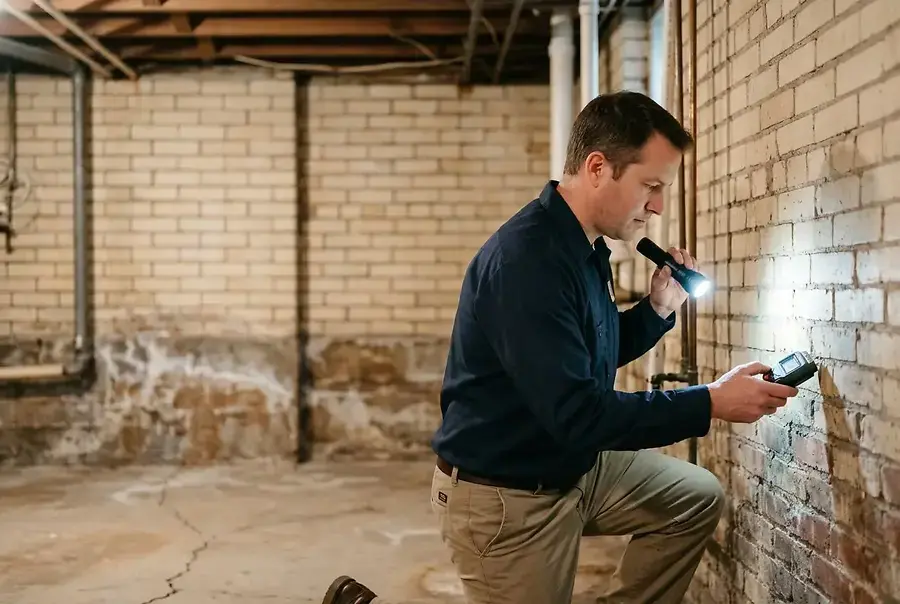
A home inspection is one of the most important steps in the home-buying process. This comprehensive evaluation examines the structural integrity, mechanical systems, and overall condition of a property. In Milwaukee, where many homes feature older architecture and unique construction styles, a thorough inspection becomes even more critical.
The typical home inspection takes between two to four hours, depending on the property's size and age. A certified home inspector will examine:
- Foundation and structural components – checking for cracks, settling, and water damage
- Roofing systems – assessing age, condition, and potential leaks
- Electrical systems – verifying safety and code compliance
- Plumbing – testing water pressure, drainage, and checking for leaks
- HVAC systems – evaluating heating and cooling efficiency
- Insulation and ventilation – ensuring proper energy efficiency
- Windows and doors – checking for drafts and proper operation
As a buyer, you have the right to be present during the inspection. This is an excellent opportunity to ask questions and understand the property's condition firsthand.
Common Issues Found in Milwaukee Homes and How to Address Them
Water Damage and Basement Issues
Milwaukee's climate and older home construction often lead to water-related problems. Many properties experience basement moisture, foundation cracks, or inadequate drainage systems. Address these issues by requesting a professional waterproofing assessment and obtaining repair estimates before negotiating with the seller.
Aging Roofing Systems
Roofs in Milwaukee homes typically last 15-20 years. If the inspection reveals a roof nearing the end of its lifespan, factor replacement costs into your offer. A new roof is a significant investment, so getting accurate quotes is essential.
Outdated Electrical Systems
Older Milwaukee homes may have outdated electrical panels or wiring that doesn't meet current safety codes. Knob-and-tube wiring or insufficient grounding can pose serious safety risks. Budget for electrical upgrades if the inspection identifies these issues.
Plumbing Concerns
Galvanized pipes, which were common in older homes, can corrode over time and reduce water pressure. Cast iron drain pipes may also deteriorate. Request plumbing inspections and repair estimates to understand the full scope of potential work needed.
HVAC System Age
Heating systems are crucial in Milwaukee's cold winters. If the furnace or air conditioning unit is older than 15 years, plan for replacement costs in your budget.
Using Inspection Reports to Negotiate Better Offers
The inspection report is your most powerful negotiating tool. Here's how to use it effectively:
Prioritize Major Issues
Focus on significant problems that affect safety, structural integrity, or major systems. Minor cosmetic issues typically won't strengthen your negotiating position.
A well-documented inspection report gives you concrete evidence to support your renegotiation requests.
Obtain Repair Estimates
Don't just point out problems – come prepared with professional repair estimates. This demonstrates you've done your homework and provides a factual basis for your negotiations. Sellers are more likely to respond to specific numbers rather than vague concerns.
Request Repairs or Credits
You have three options when issues are discovered:
- Request the seller make repairs before closing
- Ask for a credit toward closing costs to handle repairs yourself
- Renegotiate the purchase price to account for necessary work
Each option has advantages. Seller repairs provide certainty, while credits give you control over the work quality. Price reductions offer flexibility but require you to manage repairs after purchase.
Know When to Walk Away
If the inspection reveals extensive problems that would require significant investment, you may have grounds to withdraw from the purchase without penalty, depending on your contract terms. Never let emotions override practical financial considerations.
Next Steps: From Inspection Results to Closing Day
Review the Full Report
Take time to thoroughly review the complete inspection report. Ask your inspector to clarify any technical language or concerns you don't understand. Request photos and detailed explanations of significant issues.
Consult with Professionals
For major issues, consider hiring specialists for follow-up inspections. A structural engineer, electrician, or plumber can provide more detailed assessments and repair recommendations specific to your situation.
Finalize Your Negotiations
Armed with inspection data and repair estimates, work with your real estate agent to negotiate with the seller. Be reasonable in your requests – sellers are more likely to cooperate if your demands are justified by the inspection findings.
Schedule a Final Walk-Through
Before closing, conduct a final walk-through to verify that any agreed-upon repairs have been completed satisfactorily. Confirm that the property matches the condition documented in the inspection report.
Plan Your Post-Purchase Maintenance
Use the inspection report to create a maintenance plan for your new home. Address any deferred maintenance items and establish a regular maintenance schedule to prevent future problems.
A thorough home inspection is an investment in your peace of mind and financial security. By understanding the inspection process, recognizing common Milwaukee home issues, and using the report strategically, you'll make a more informed purchase decision and protect your investment for years to come.


