Minneapolis Mixed-Use Properties: Maximizing Value in Dual-Purpose Real Estate
Discover how residential-commercial hybrid properties are transforming Minneapolis neighborhoods and creating unprecedented investment opportunities.

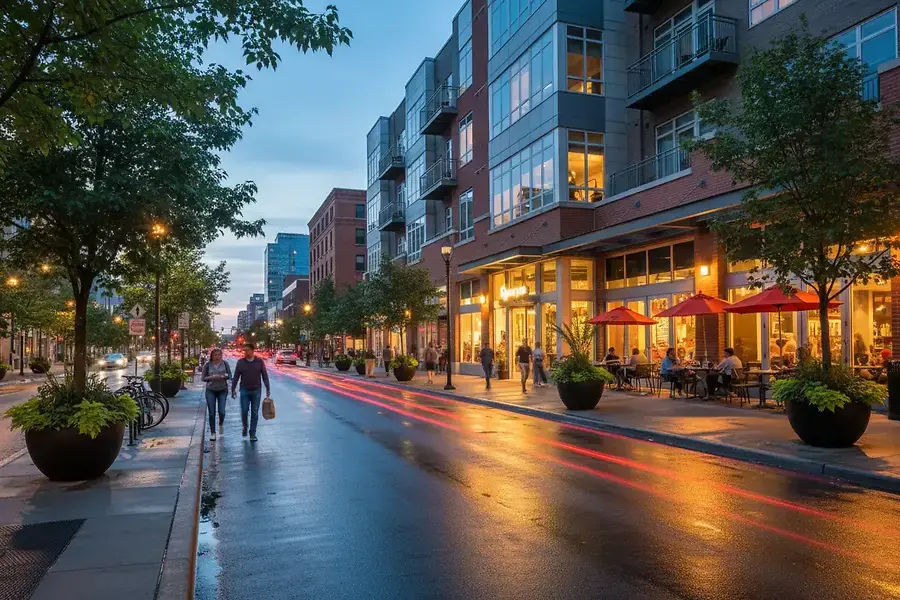
The Rise of Mixed-Use Properties in Minneapolis
Minneapolis is experiencing a transformative shift in real estate development. Mixed-use properties—buildings that combine residential units with commercial spaces—are reshaping the urban landscape and creating dynamic communities where people live, work, and shop in the same location. This trend reflects a broader change in how modern professionals and families want to live, prioritizing convenience and walkability over traditional suburban sprawl.
The appeal is undeniable. Mixed-use developments reduce commute times, foster vibrant street-level activity, and create sustainable neighborhoods that attract both residents and businesses. For investors, these properties represent a unique opportunity to diversify income streams while contributing to Minneapolis's urban revitalization.
Understanding Residential-Commercial Hybrid Investments: Benefits and Opportunities
Multiple Revenue Streams
One of the most compelling advantages of mixed-use properties is the ability to generate income from multiple sources. Residential units provide stable, long-term rental income, while commercial spaces—whether retail shops, offices, or restaurants—offer potentially higher returns. This diversification reduces risk and provides financial stability during market fluctuations.
Enhanced Property Value
Mixed-use properties typically command premium valuations compared to single-use buildings. The combination of residential and commercial components creates a more attractive asset to potential buyers and lenders. Properties that serve multiple purposes are often more resilient during economic downturns, as they're less dependent on a single market segment.
Tenant Retention and Stability
When residents can access shops, restaurants, and services within their building or immediate vicinity, they're more likely to stay long-term. This reduces vacancy rates and creates predictable cash flow for property owners. Commercial tenants also benefit from foot traffic generated by residential populations, creating a mutually beneficial ecosystem.
Community Development Impact
Mixed-use properties contribute to neighborhood vibrancy and economic growth. They attract younger professionals, families, and entrepreneurs who value walkable communities. This increased activity supports local businesses, creates jobs, and enhances the overall appeal of Minneapolis neighborhoods.
Tax Incentives and Financing Advantages
Many municipalities, including Minneapolis, offer tax credits and incentives for mixed-use development projects. Additionally, lenders often view these properties more favorably, potentially offering better financing terms due to their diversified income potential and lower risk profile.
Identifying High-Potential Mixed-Use Markets Across Minneapolis Neighborhoods
Downtown Minneapolis and North Loop
The heart of the city continues to attract significant investment. Downtown Minneapolis and the North Loop area feature established mixed-use developments with strong commercial demand and growing residential populations. These neighborhoods offer excellent visibility, accessibility, and established infrastructure—ideal for investors seeking proven markets.
Northeast Minneapolis
Once overlooked, Northeast Minneapolis has emerged as a hotbed for creative mixed-use development. The neighborhood's affordable real estate, artistic community, and ongoing revitalization make it attractive for investors seeking growth potential. Warehouse conversions combining loft apartments with ground-floor retail and galleries exemplify the area's transformation.
Uptown and Calhoun
These established neighborhoods maintain strong residential demand and robust commercial activity. Mixed-use properties here benefit from existing foot traffic, established businesses, and a demographic that values walkability. The area's popularity with young professionals and families supports both residential and retail tenancy.
St. Paul's West Side and Lowertown
St. Paul's Lowertown district has undergone remarkable transformation, with mixed-use developments anchoring the neighborhood's revival. The West Side offers emerging opportunities for investors willing to participate in neighborhood growth. Both areas feature lower acquisition costs than central Minneapolis while offering significant appreciation potential.
Dinkytown and University Area
Proximity to the University of Minnesota creates consistent demand for both residential and commercial spaces. Mixed-use properties in this area benefit from student populations, university employees, and the academic community. This demographic stability supports long-term investment returns.
Key Considerations for Market Selection
- Walkability Scores: Higher walkability increases property value and tenant satisfaction
- Public Transportation Access: Light rail and bus routes enhance accessibility and appeal
- Neighborhood Growth Trends: Research population growth, business development, and infrastructure investments
- Zoning Regulations: Ensure properties comply with mixed-use zoning and understand development restrictions
- Tenant Mix Potential: Evaluate demand for both residential and commercial tenancy in specific areas
- Competition Analysis: Assess existing mixed-use properties and market saturation
Positioning Yourself as a Mixed-Use Real Estate Expert
Success in mixed-use real estate requires specialized knowledge. Understanding both residential and commercial markets, tenant management, and property operations sets expert investors apart from generalists. Consider developing expertise in specific neighborhoods, building relationships with local brokers, and staying informed about zoning changes and development plans.
The mixed-use real estate market in Minneapolis represents a compelling opportunity for investors seeking diversified income, property appreciation, and community impact. By understanding the benefits of hybrid properties, identifying high-potential neighborhoods, and developing specialized expertise, you can position yourself to capitalize on this transformative trend.
The future of Minneapolis real estate is increasingly mixed-use. Properties that combine residential and commercial purposes are not merely following a trend—they're shaping how communities develop and how people choose to live. For forward-thinking investors, the time to enter this market is now.


