Mixed-Use Development: Creating Profitable Commercial Properties in Saint Louis
Discover how combining retail, office, and residential spaces creates profitable commercial ventures in Saint Louis's evolving neighborhoods.

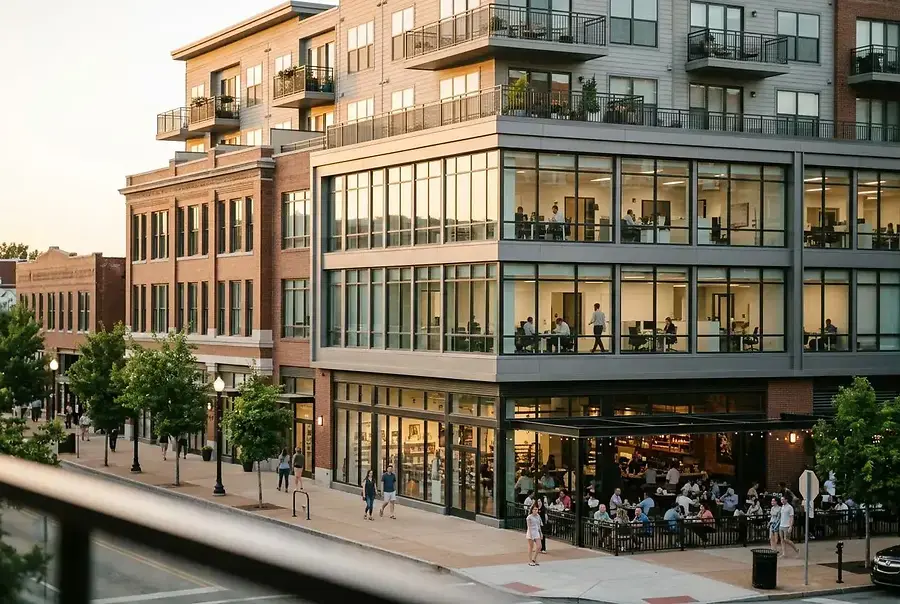
The Rise of Mixed-Use Properties in Saint Louis
Saint Louis is experiencing a remarkable transformation in its commercial real estate landscape. Mixed-use developments—properties that combine residential, retail, and office spaces under one roof—have become the cornerstone of profitable commercial ventures throughout the city. This evolution reflects a broader shift in how urban communities are designed and how investors approach property development.
The appeal of mixed-use properties lies in their versatility and resilience. By diversifying revenue streams across multiple tenant types, developers and property owners can weather market fluctuations more effectively than those relying on single-use properties. In Saint Louis, neighborhoods like the Central West End, Downtown, and emerging areas along the riverfront are leading this charge, attracting both established investors and innovative developers.
Why Saint Louis? The city offers several compelling advantages for mixed-use development:
- Affordable land and development costs compared to coastal markets
- A growing population of young professionals seeking urban living
- Strong local support for neighborhood revitalization initiatives
- Diverse economic sectors providing stable tenant demand
- Historic architecture that blends beautifully with modern amenities
Strategic Location Selection and Market Analysis
Identifying High-Potential Neighborhoods
The success of any mixed-use development begins with location. Saint Louis investors must conduct thorough market analysis to identify neighborhoods poised for growth. Key indicators include population trends, job growth, transportation accessibility, and existing community infrastructure.
Neighborhoods near major employment centers, universities, and public transportation hubs present exceptional opportunities. Areas undergoing infrastructure improvements—such as streetcar expansions or new transit corridors—often experience accelerated property value appreciation. Savvy developers monitor these trends closely to acquire properties before market recognition drives up acquisition costs.
Understanding Your Target Market
Successful mixed-use developments require deep understanding of local demographics and preferences. Who will live in the residential units? What retail tenants will thrive in this location? Which office spaces will attract quality corporate tenants?
Market research should include:
- Demographic analysis of current and projected residents
- Competitive landscape assessment for retail and office spaces
- Walkability scores and pedestrian traffic patterns
- Local business ecosystem and employment opportunities
- Consumer spending habits and retail preferences
Properties located in walkable neighborhoods with strong pedestrian traffic command premium rents and attract higher-quality tenants. Saint Louis's historic neighborhoods, with their tree-lined streets and established community character, naturally support this walkability factor.
Design and Tenant Mix Strategies for Maximum Returns
Creating Synergistic Spaces
The magic of mixed-use development lies in creating spaces where different uses complement and enhance one another. Ground-floor retail activates the street, drawing foot traffic that benefits upper-floor office tenants and residential units. Office workers patronize ground-level restaurants and shops. Residents enjoy convenient access to services without leaving the property.
Thoughtful architectural design is essential. Successful mixed-use properties feature:
- Separate entrances for residential and commercial tenants
- Adequate parking solutions that serve all user types
- Flexible ground-floor spaces adaptable to various retail concepts
- Quality finishes that appeal to premium tenants
- Outdoor spaces that foster community gathering
Optimizing the Tenant Mix
The ideal tenant mix balances stability with growth potential. Anchor tenants—established businesses with strong credit and long-term lease commitments—provide reliable income and credibility that attracts other quality tenants.
Consider this balanced approach:
- Retail Component: Mix national brands with local, independent businesses. Local restaurants and boutiques create authentic neighborhood character while national retailers provide stability.
- Office Component: Target professional services, tech companies, and creative industries. These sectors typically offer higher rents and longer lease terms.
- Residential Component: Offer diverse unit sizes—studios, one-bedroom, and two-bedroom apartments—to appeal to various demographics and maximize occupancy rates.
Avoid over-reliance on any single tenant or sector. A property with 40% retail, 35% office, and 25% residential creates natural diversification that protects against market downturns in any single category.
Pricing Strategy and Revenue Optimization
Mixed-use properties allow sophisticated revenue management. Premium ground-floor retail spaces command higher per-square-foot rents than upper-floor office space. Residential units generate consistent monthly income with less volatility than commercial leases.
The key to profitability is understanding that each component serves a strategic purpose in the overall property ecosystem.
Successful developers in Saint Louis are achieving strong returns by:
- Charging market-rate rents for premium ground-floor retail
- Offering competitive office rents to attract quality corporate tenants
- Pricing residential units to achieve high occupancy rates
- Building in annual rent escalation clauses
- Minimizing vacancy through proactive tenant relationship management
Building Long-Term Value Through Mixed-Use Development
Mixed-use development in Saint Louis represents more than a short-term profit opportunity—it's a strategy for building lasting value. Properties that successfully combine residential, retail, and office components become community anchors, attracting investment and driving neighborhood appreciation.
The most successful mixed-use developments in Saint Louis share common characteristics: strategic locations in growing neighborhoods, thoughtful design that creates genuine community spaces, carefully curated tenant mixes that serve local needs, and professional management that maintains property quality and tenant satisfaction.
As Saint Louis continues to evolve, mixed-use development will remain central to the city's commercial real estate success. Investors who understand market dynamics, execute thoughtful design, and maintain disciplined tenant selection will find abundant opportunities to create profitable properties that enhance their neighborhoods and generate strong returns.
The future of Saint Louis commercial real estate belongs to developers and investors who recognize that the most profitable properties are those that serve multiple purposes, create genuine community value, and adapt to changing market conditions. Mixed-use development offers the perfect vehicle for achieving all three objectives.


