Mixed-Use Development: How Residential and Commercial Blend in Delaware
Discover the neighborhoods where living and working seamlessly coexist across Newark, Wilmington, and Kent County.

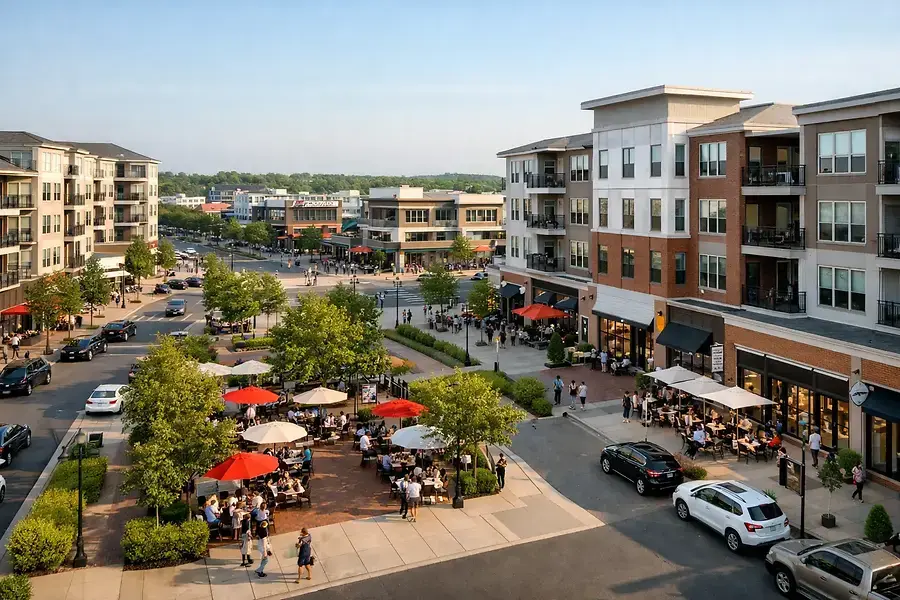
The Rise of Mixed-Use Communities in Delaware
Delaware's real estate landscape is undergoing a remarkable transformation. Mixed-use developments—properties that combine residential, commercial, retail, and entertainment spaces—are reshaping how people live, work, and play across the state. This trend reflects a broader national shift toward walkable, integrated communities that prioritize convenience and quality of life.
The appeal is undeniable. Rather than commuting between separate residential neighborhoods and commercial districts, residents can access shops, restaurants, offices, and entertainment within minutes of their homes. This integration creates vibrant neighborhoods that feel alive throughout the day and evening, attracting both young professionals and established families seeking a more connected lifestyle.
Delaware's mixed-use boom is driven by several factors: changing work patterns, increased demand for walkability, and a desire for authentic community experiences. Developers recognize that modern buyers and tenants want more than just a place to sleep—they want neighborhoods with character, convenience, and opportunity.
Strategic Locations Combining Residential and Commercial Appeal
Newark's Urban Renaissance
Newark has emerged as Delaware's premier mixed-use destination. The downtown corridor features a compelling blend of historic charm and modern development. Main Street and the surrounding blocks showcase apartments above ground-floor retail, restaurants, and service businesses. The University of Delaware's proximity creates a dynamic demographic that supports diverse commercial offerings.
Key features of Newark's mixed-use landscape include:
- Adaptive reuse of historic buildings converted into lofts and apartments
- Ground-floor retail spaces hosting local businesses and national brands
- Pedestrian-friendly streetscapes with outdoor dining and gathering spaces
- Proximity to educational institutions and employment centers
- Growing entertainment districts with breweries, galleries, and cultural venues
Wilmington's Waterfront Transformation
Wilmington's riverfront district represents one of Delaware's most ambitious mixed-use projects. The Riverfront area combines luxury residential towers, corporate offices, retail establishments, and recreational amenities in a cohesive urban environment.
This transformation offers residents:
- Waterfront living with scenic views and outdoor recreation
- Direct access to corporate headquarters and professional services
- Curated shopping and dining experiences
- Cultural institutions and entertainment venues
- Walkable connections between residential and commercial zones
The Riverfront's success demonstrates how strategic planning can create destinations that attract both residents and businesses, generating economic vitality and community pride.
Kent County's Emerging Mixed-Use Hubs
Beyond the northern corridor, Kent County is developing its own mixed-use communities. Dover and surrounding areas are seeing increased investment in developments that combine residential apartments with retail, dining, and office space. These projects bring suburban convenience with urban amenities, appealing to families and professionals seeking balanced lifestyles.
Emerging trends in Kent County include:
- Town center developments with mixed-income housing options
- Adaptive reuse of historic downtown buildings
- Integration of green spaces and recreational facilities
- Support for local entrepreneurship and small business growth
Investment Potential and Lifestyle Benefits for Buyers and Tenants
For Residential Buyers
Mixed-use neighborhoods offer compelling advantages for homebuyers. Properties in these areas typically appreciate steadily due to their desirability and limited supply. The convenience factor—being able to walk to restaurants, shops, and services—commands premium pricing and attracts quality tenants for investors.
Lifestyle benefits include:
- Reduced transportation costs and time
- Access to diverse dining and entertainment options
- Strong sense of community and neighborhood identity
- Increased property values and investment returns
- Walkable environments promoting health and wellness
For Commercial Tenants and Businesses
Business owners benefit from mixed-use locations through increased foot traffic, extended customer bases, and collaborative opportunities. A restaurant in a mixed-use development draws not only neighborhood residents but also office workers and visitors. This organic traffic flow supports business growth and sustainability.
Commercial advantages include:
- Access to residential customer base within walking distance
- Networking opportunities with neighboring businesses
- Shared amenities and services reducing operational costs
- Enhanced visibility and brand exposure
- Flexibility in lease terms and space configurations
Investment Returns and Market Dynamics
Mixed-use properties demonstrate resilience and growth potential. The diversified revenue streams—combining residential rents, commercial leases, and retail income—provide stability. Additionally, these developments often benefit from public investment in infrastructure, transportation, and amenities, further enhancing property values.
Mixed-use developments represent the future of urban and suburban real estate, offering investors and residents alike the opportunity to participate in thriving, integrated communities.
Positioning Your Clients in Delaware's Integrated Markets
For real estate professionals, mixed-use developments present significant opportunities. Understanding the nuances of these properties—from zoning considerations to tenant mix strategies—enables you to guide clients effectively.
Key considerations when advising clients:
- Evaluate the quality of residential and commercial tenant bases
- Assess walkability scores and pedestrian infrastructure
- Review parking solutions and transportation access
- Analyze the competitive landscape and market saturation
- Consider long-term development plans and neighborhood trajectory
- Examine lease structures and income stability
Delaware's mixed-use developments are not merely real estate trends—they represent a fundamental shift in how communities are built and experienced. From Newark's vibrant downtown to Wilmington's waterfront renaissance and Kent County's emerging town centers, these integrated neighborhoods offer compelling opportunities for buyers, tenants, and investors.
By positioning your clients in these dynamic markets, you're not just facilitating transactions—you're helping them invest in communities where living and working seamlessly coexist, creating value and quality of life for years to come.


