Mixed-Use Development Opportunities Across Major U.S. Markets
Discover how residential-commercial hybrid properties are creating unprecedented investment and living experiences in today's top real estate markets.

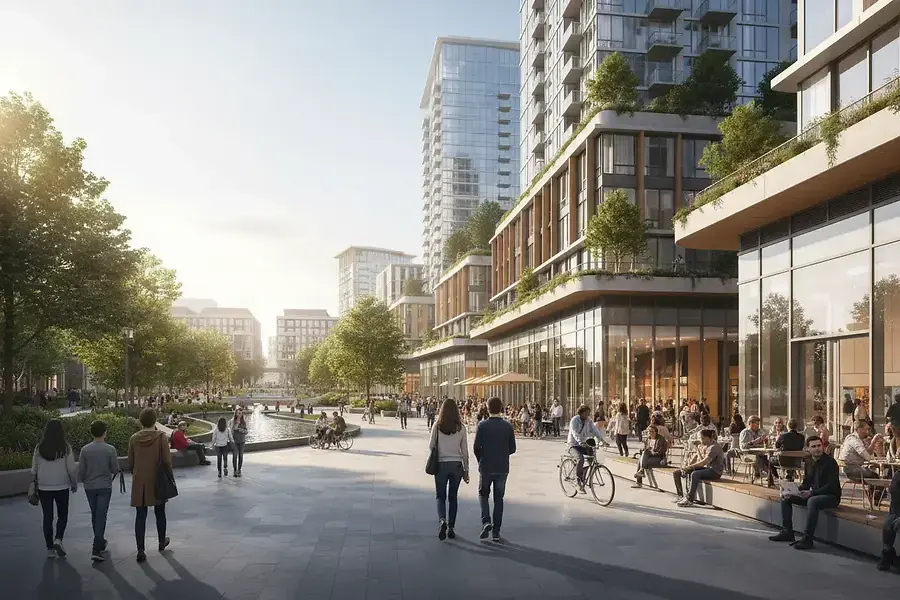
The Rise of Mixed-Use Properties in Urban Development
The real estate landscape is undergoing a fundamental transformation. Mixed-use developments—properties that seamlessly blend residential, commercial, retail, and entertainment spaces—are no longer niche offerings. They've become the cornerstone of modern urban development across America's most dynamic markets.
This shift reflects changing consumer preferences and economic realities. Today's professionals and families increasingly seek walkable neighborhoods where they can live, work, dine, and shop without relying on cars. Developers have responded by creating vibrant communities that cater to these lifestyle demands, and investors are taking notice of the exceptional returns these properties generate.
Why the surge in mixed-use development? Several factors converge to make these properties attractive. Remote work flexibility has reduced commuting demands, allowing people to prioritize lifestyle and community. Younger generations prioritize experiences and convenience over traditional suburban living. Additionally, cities are actively zoning for mixed-use projects to increase tax revenue and revitalize underutilized areas.
Market Analysis: Which Cities Are Leading the Residential-Commercial Boom
Austin, Texas: The Tech Hub Transformation
Austin continues to attract tech companies and young professionals at an unprecedented rate. Mixed-use developments here feature cutting-edge office spaces, trendy apartments, and vibrant ground-floor retail. Projects in downtown and surrounding neighborhoods command premium prices, driven by strong demand and limited inventory.
Denver, Colorado: Mountain Living Meets Urban Convenience
Denver's mixed-use market thrives on its unique positioning—offering outdoor recreation access while maintaining urban sophistication. Developments along the South Platte River and in neighborhoods like RiNo combine loft-style apartments with creative office spaces and craft breweries, creating authentic community experiences that attract both residents and businesses.
Nashville, Tennessee: The Emerging Powerhouse
Nashville's explosive growth has made it a prime location for mixed-use development. The city's cultural appeal, combined with a booming healthcare and music industry presence, creates diverse tenant bases. New projects blend Southern charm with modern amenities, attracting both national retailers and local entrepreneurs.
Miami, Florida: Waterfront Luxury Meets Commerce
Miami's mixed-use developments capitalize on waterfront locations and year-round appeal. High-end residential units sit above luxury retail and hospitality spaces, creating exclusive communities that attract international investors and affluent residents seeking both lifestyle and investment security.
Portland, Oregon: Sustainability-Focused Innovation
Portland leads in eco-conscious mixed-use development. Green building certifications, bike-friendly infrastructure, and locally-focused retail create distinctive properties that appeal to environmentally conscious residents and businesses. These developments command premium valuations based on their sustainability credentials.
Investment Benefits and Tenant Appeal in Hybrid Properties
Revenue Diversification
Mixed-use properties generate income from multiple sources simultaneously. Residential units provide stable, long-term rental income. Commercial spaces attract established businesses with higher lease rates. Ground-floor retail captures foot traffic and creates vibrant streetscapes. This diversification reduces vacancy risk and stabilizes overall returns.
"Mixed-use developments represent the future of real estate investment—they're not just properties, they're communities that generate consistent, multi-stream revenue."
Tenant Retention and Satisfaction
Residents in mixed-use properties enjoy unprecedented convenience. They can access services, dining, and entertainment without leaving their community. This convenience translates to higher satisfaction rates and longer lease terms. Commercial tenants benefit from built-in customer bases and networking opportunities with neighboring businesses.
Property Appreciation Potential
Mixed-use developments in prime locations appreciate faster than single-use properties. As cities continue densifying and walkability becomes increasingly valuable, these properties capture premium valuations. Investors who enter early in emerging markets position themselves for substantial long-term gains.
Operational Efficiency
Centralized management of mixed-use properties creates operational advantages. Shared infrastructure, coordinated maintenance, and unified marketing reduce per-unit costs. Property managers can implement sophisticated systems that enhance resident and tenant experiences while improving profitability.
Attracting Quality Tenants
Mixed-use properties naturally attract higher-quality residents and businesses. The curated environment and community-focused amenities appeal to professionals and families with higher incomes and longer lease commitments. This demographic stability reduces turnover and associated costs.
Adaptive Reuse Opportunities
Many successful mixed-use developments repurpose historic or underutilized buildings. This approach offers several advantages:
- Lower acquisition costs compared to new construction
- Tax incentives for historic preservation
- Unique character that attracts premium tenants
- Faster time to revenue generation
- Community goodwill from neighborhood revitalization
Positioning Yourself as a Mixed-Use Real Estate Expert
Understanding Market Dynamics
Success in mixed-use real estate requires deep market knowledge. Study demographic trends, employment growth, and urban planning initiatives in your target markets. Understand how zoning changes, transportation infrastructure, and community development plans influence property values and tenant demand.
Building Strategic Partnerships
Mixed-use development involves coordinating multiple stakeholders—residential managers, commercial brokers, retail specialists, and municipal officials. Develop relationships with experienced partners who understand the complexities of hybrid properties. These connections accelerate deal flow and improve project execution.
Analyzing Financial Models
Mixed-use properties require sophisticated financial analysis. You must model residential and commercial revenue streams separately, account for different lease structures, and project vacancy rates across multiple tenant types. Master these analytical skills to identify undervalued opportunities and accurately assess risk.
Staying Current with Trends
The mixed-use sector evolves rapidly. Stay informed about emerging preferences—from co-working spaces to experiential retail to wellness amenities. Properties that anticipate tenant needs command premium valuations and maintain lower vacancy rates.
Developing a Niche Expertise
Consider specializing within the mixed-use sector. Some investors focus on specific markets, property types, or tenant demographics. Others specialize in adaptive reuse, ground-floor retail optimization, or luxury mixed-use developments. Developing recognized expertise attracts deal flow and positions you as a trusted advisor.
The mixed-use real estate market represents one of the most dynamic and rewarding investment opportunities available today. By understanding market fundamentals, analyzing financial models carefully, and building strategic partnerships, you can position yourself to capitalize on this transformative trend. The cities leading this movement offer exceptional opportunities for investors willing to develop expertise and execute strategically.


