Mixed-Use Development Opportunities Across Northern Virginia
Discover why savvy investors are combining residential and commercial properties in Fairfax County's most dynamic neighborhoods.

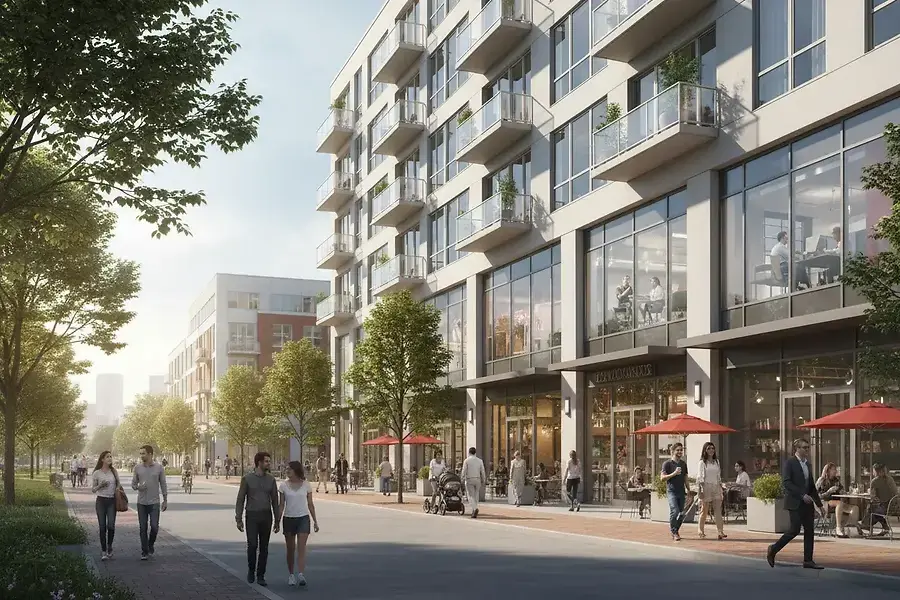
The Rise of Mixed-Use Properties in Northern Virginia
Northern Virginia has emerged as one of the most attractive markets for real estate investors seeking diversified income streams and sustainable growth. The region's explosive population growth, coupled with strong economic fundamentals, has created unprecedented opportunities for mixed-use development. Properties that seamlessly blend residential units with retail, office, or hospitality spaces are no longer niche investments—they've become the cornerstone of modern real estate portfolios.
The appeal is straightforward: mixed-use properties generate multiple revenue streams from a single location. Rather than relying solely on residential rent or commercial leases, investors can capitalize on both markets simultaneously. This diversification reduces risk while maximizing occupancy rates and overall profitability. Northern Virginia's proximity to Washington, D.C., its thriving job market, and its continuous infrastructure improvements make it the ideal testing ground for this investment strategy.
The demographic shift toward urban and walkable communities has accelerated demand for mixed-use developments. Millennials and Gen Z professionals increasingly prefer neighborhoods where they can live, work, and socialize without extensive commutes. This cultural preference has transformed how developers and investors approach property acquisition and development in the region.
Strategic Locations for Residential/Commercial Investments: From Arlington to Centreville
Arlington: The Premium Market
Arlington stands as the crown jewel of Northern Virginia's mixed-use market. With its established Metro infrastructure, thriving business district, and walkable neighborhoods, Arlington commands premium prices for mixed-use properties. The Clarendon and Ballston corridors have become hotspots for investors seeking properties that combine ground-floor retail with upper-level residential or office space.
Key advantages of Arlington investments include:
- Proximity to major employers and government agencies
- Excellent public transportation connectivity
- High population density supporting retail and service businesses
- Strong rental demand from young professionals
- Consistent property appreciation rates
Fairfax and Falls Church: The Emerging Opportunities
While Arlington remains premium, savvy investors are turning their attention to Fairfax and Falls Church, where mixed-use opportunities offer better entry points without sacrificing growth potential. Downtown Fairfax has undergone significant revitalization, attracting restaurants, boutiques, and service providers alongside new residential developments.
These markets offer exceptional value propositions for investors willing to look beyond the most obvious choices. Property prices remain more accessible, yet the fundamentals—population growth, job creation, and infrastructure investment—remain equally strong.
Reston and Herndon: Tech-Driven Growth
The technology corridor centered around Reston and Herndon presents unique opportunities for mixed-use development. With major tech companies establishing offices and expanding operations, demand for both residential housing and commercial space continues to surge. Mixed-use properties in these areas benefit from young, affluent professionals seeking convenient living arrangements near their workplaces.
Centreville: The Frontier Market
Centreville represents the frontier of Northern Virginia's mixed-use investment landscape. As development pushes westward, early investors in mixed-use properties here position themselves ahead of the growth curve. While less established than Arlington, Centreville's lower entry costs and significant growth potential make it attractive for investors with longer time horizons.
Market Advantages and ROI Potential for Multi-Purpose Properties
Revenue Diversification and Risk Mitigation
The primary advantage of mixed-use properties lies in their ability to generate revenue from multiple sources. If residential occupancy dips, commercial tenants may remain stable, and vice versa. This natural hedging mechanism protects investors from market volatility affecting single-use properties.
Consider a property with ground-floor retail and upper-level apartments: retail tenants typically sign longer leases with established businesses, while residential units can be adjusted for market conditions. This combination creates a resilient income stream capable of weathering market fluctuations.
Enhanced Property Values and Appreciation
Mixed-use properties typically command higher per-square-foot valuations than single-use alternatives. The versatility and income-generating potential appeal to a broader range of buyers and investors, creating stronger demand and supporting higher prices. As Northern Virginia continues its transformation into a more urban, walkable region, mixed-use properties become increasingly valuable.
Operational Efficiencies
Managing a single property with multiple revenue streams often proves more efficient than managing separate properties. Maintenance, security, and administrative costs can be shared across residential and commercial tenants, improving overall operational margins. Property managers can implement integrated systems for utilities, parking, and building management.
Attractive ROI Metrics
Mixed-use properties in Northern Virginia demonstrate compelling returns. Investors typically see cap rates ranging from 4% to 7%, depending on location and property condition, with additional appreciation potential as the region continues developing. When combined with multiple revenue streams and operational efficiencies, total returns often exceed single-use property investments.
"The future of real estate investment in Northern Virginia belongs to those who understand the power of mixed-use development. Properties that serve multiple purposes aren't just more profitable—they're more resilient."
Financing Advantages
Lenders view mixed-use properties favorably due to their diversified income streams and reduced vacancy risk. This often translates to better financing terms, lower interest rates, and more flexible loan structures. Banks recognize that mixed-use properties represent lower-risk investments, making capital more accessible for investors.
Conclusion: Positioning Your Portfolio for Long-Term Growth
Mixed-use development opportunities across Northern Virginia represent a compelling investment thesis for the coming years. The region's demographic trends, economic fundamentals, and infrastructure investments create an ideal environment for properties that blend residential and commercial uses.
Whether you're considering premium markets like Arlington or exploring emerging opportunities in Centreville, mixed-use properties offer the diversification, resilience, and growth potential that sophisticated investors seek. The key to success lies in selecting strategic locations, understanding local market dynamics, and recognizing how demographic and economic trends will shape demand.
The investors positioning themselves in Northern Virginia's mixed-use market today are building portfolios designed to thrive for decades to come. By combining residential and commercial properties in dynamic neighborhoods, you're not just capturing current market opportunities—you're positioning your portfolio to benefit from the region's continued evolution into a more urban, walkable, and economically vibrant community.
The time to act is now, before the most attractive opportunities become fully priced into the market. Northern Virginia's mixed-use development landscape awaits those ready to invest strategically and think beyond traditional single-use property models.


