Mixed-Use Development Opportunities Across Philadelphia's Surrounding Counties
Discover how commercial-residential properties are transforming neighborhoods in Philadelphia, Montgomery, Bucks, and Delaware counties.

The Rise of Mixed-Use Real Estate in the Greater Philadelphia Area
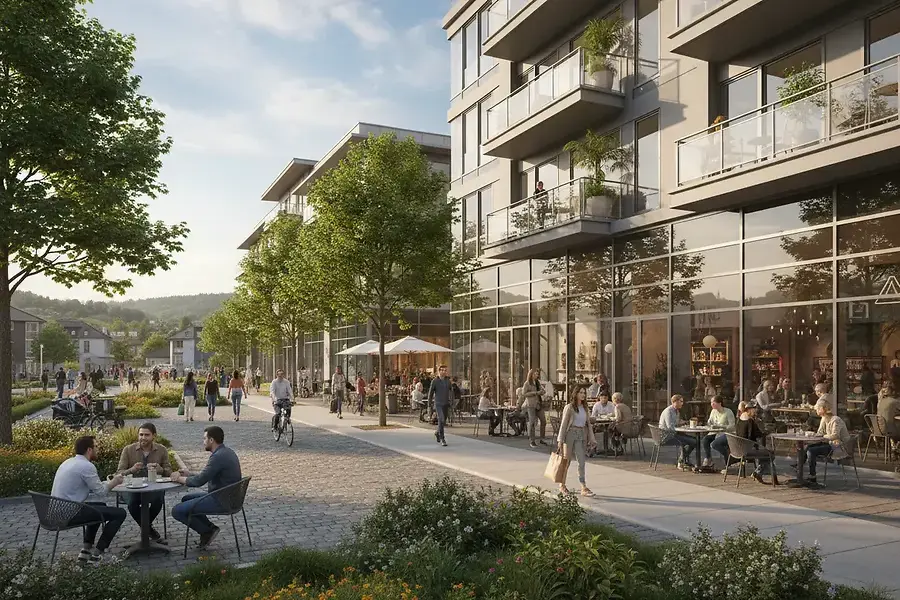
The Greater Philadelphia region is experiencing a significant transformation in its real estate landscape. Mixed-use developments—properties that combine residential, commercial, and often entertainment or office spaces—are reshaping how communities live, work, and interact. This trend reflects broader shifts in consumer preferences and urban planning priorities that favor walkable, vibrant neighborhoods over isolated single-purpose zones.
Philadelphia and its surrounding counties have become increasingly attractive to developers and investors seeking to capitalize on this movement. The region's strong population base, established infrastructure, and growing demand for convenient, integrated living spaces have created a fertile ground for mixed-use projects. From revitalized downtown corridors to emerging suburban hubs, these developments are redefining neighborhood character and economic vitality across the region.
For real estate professionals, understanding this market shift is essential. Mixed-use properties offer unique opportunities for diversified income streams, increased property values, and long-term sustainability. Whether you're an investor, developer, or agent, positioning yourself as an expert in this sector can open doors to lucrative opportunities.
Market Trends: Why Developers and Investors Are Targeting Residential-Commercial Properties
Growing Demand for Walkable Communities
Today's consumers—particularly millennials and Gen Z—increasingly prefer neighborhoods where they can walk to shops, restaurants, offices, and entertainment venues. This preference has driven demand for mixed-use developments that eliminate the need for constant car travel. Walkability has become a key factor in property valuation, with mixed-use locations commanding premium prices.
Diversified Revenue Streams
Mixed-use properties generate income from multiple sources:
- Residential rental income from apartments or condominiums
- Commercial lease revenue from retail, restaurants, or offices
- Parking revenue and ancillary services
- Event space and entertainment venue income
This diversification reduces risk and provides more stable, predictable returns compared to single-use properties. Investors appreciate the resilience of mixed-use portfolios, especially during economic fluctuations.
Post-Pandemic Workplace Evolution
The shift toward hybrid and remote work has fundamentally changed commercial real estate dynamics. Mixed-use developments benefit from this trend by offering flexible office spaces, co-working environments, and residential units in the same location. Professionals can now live and work in the same neighborhood, reducing commute times and improving quality of life.
Sustainability and Urban Planning Priorities
Mixed-use developments align with municipal sustainability goals and smart growth initiatives, making them attractive to local governments and community stakeholders.
Cities and counties across the Greater Philadelphia area are actively promoting mixed-use zoning and offering incentives for developers who create integrated communities. This regulatory support accelerates project approval and reduces development timelines.
Location Spotlight: High-Potential Mixed-Use Markets in Montgomery, Bucks, and Delaware Counties
Montgomery County: The Suburban Gateway
Montgomery County represents one of the most dynamic markets for mixed-use development in the region. Areas like King of Prussia, Lansdale, and Norriton Township are experiencing significant revitalization efforts. These communities offer:
- Established infrastructure and transportation networks
- Strong residential populations with purchasing power
- Proximity to major employment centers
- Municipal support for mixed-use zoning initiatives
The convergence of retail, office, and residential spaces in these areas creates natural gathering places that drive foot traffic and economic activity. Developers are finding success by transforming aging shopping centers and office parks into vibrant mixed-use hubs.
Bucks County: Emerging Opportunity Zones
Bucks County is rapidly emerging as a hotbed for mixed-use development. Towns like Bristol, Doylestown, and Warrington are attracting significant investment. The county's appeal stems from:
- Lower land costs compared to Montgomery County
- Strong community character and local pride
- Growing young professional demographic
- Excellent schools and family-friendly amenities
Smart developers are recognizing Bucks County's potential before it becomes saturated. Early movers in these markets can establish strong footholds and benefit from appreciation as the market matures.
Delaware County: Urban-Suburban Hybrid
Delaware County offers a unique position between urban Philadelphia and suburban sprawl. Communities like Media, Clifton Heights, and Chester are positioning themselves as mixed-use destinations. Key advantages include:
- Direct transit connections to Philadelphia
- More affordable entry points than Philadelphia proper
- Established downtown cores ripe for revitalization
- Growing interest from Philadelphia-based investors
The county's proximity to Philadelphia makes it attractive to professionals who want urban amenities without urban price tags. Mixed-use developments here often serve as affordable alternatives to Center City properties while maintaining walkability and convenience.
Key Market Indicators
Across all three counties, several indicators signal strong mixed-use market potential:
- Population Growth: Steady residential growth supports demand for integrated communities
- Job Creation: Expanding employment centers drive demand for convenient office and residential proximity
- Millennial and Gen Z Migration: Younger demographics prioritize walkable, mixed-use neighborhoods
- Municipal Support: County and township governments actively encourage mixed-use development through zoning reforms and incentives
- Investment Activity: Increased capital flowing into the region signals confidence in market fundamentals
Positioning Yourself as the Mixed-Use Real Estate Expert in Your Market
To capitalize on these opportunities, real estate professionals should focus on building expertise in mixed-use development. Here's how:
Develop Specialized Knowledge
Understand the unique financial metrics, zoning requirements, and development timelines associated with mixed-use projects. Learn about financing options, including construction loans, permanent financing, and public-private partnerships.
Build Developer Relationships
Network with architects, contractors, municipal planners, and experienced mixed-use developers. These relationships provide valuable insights and can lead to referrals and partnership opportunities.
Stay Current on Market Data
Track absorption rates, rental rates, and sales prices for mixed-use properties in your target markets. Use this data to provide informed advice to clients and establish credibility as a market expert.
Educate Your Audience
Share your knowledge through articles, webinars, and community presentations. Positioning yourself as a thought leader attracts clients seeking expert guidance in this specialized sector.
Conclusion: The Future of Mixed-Use Real Estate in Greater Philadelphia
The mixed-use development market across Philadelphia, Montgomery, Bucks, and Delaware counties represents one of the most compelling real estate opportunities of the decade. Demographic shifts, changing work patterns, and municipal support for smart growth initiatives create a perfect storm of favorable conditions for integrated commercial-residential properties.
Whether you're an investor seeking diversified income streams, a developer looking for growth opportunities, or an agent wanting to specialize in a high-demand niche, the time to act is now. The professionals who establish expertise in mixed-use development today will be positioned as market leaders tomorrow.
By understanding market trends, identifying high-potential locations, and building specialized knowledge, you can position yourself at the forefront of this transformative movement in Greater Philadelphia real estate.


