Mixed-Use Development Opportunities in Appalachian Gateway Markets
Discover why savvy investors are targeting residential-commercial hybrid properties across the Mid-Atlantic's fastest-growing counties.

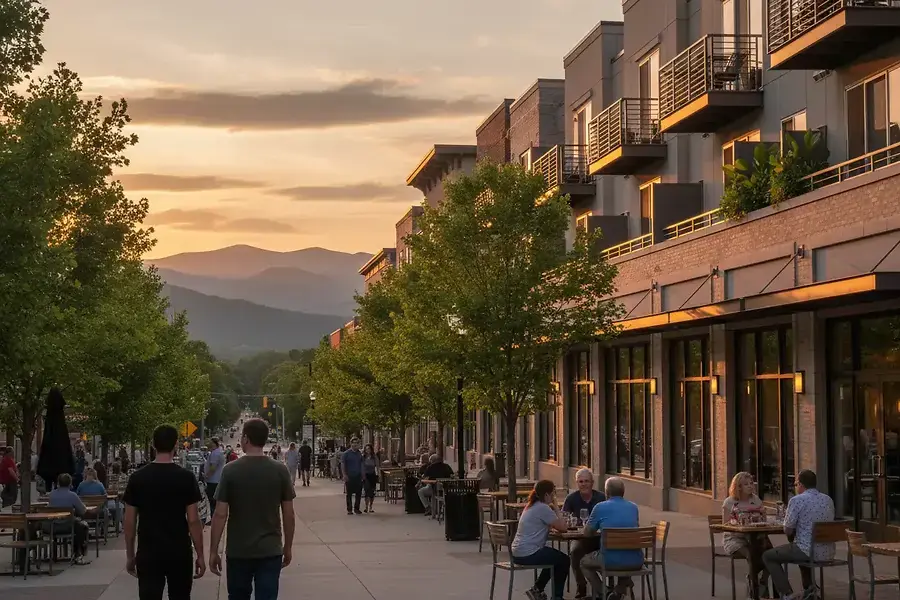
The Rise of Mixed-Use Properties in Regional Real Estate
The real estate landscape across the Mid-Atlantic region is undergoing a significant transformation. Mixed-use developments—properties that seamlessly blend residential, commercial, and sometimes entertainment spaces—are no longer confined to major metropolitan areas. Instead, they're emerging as the investment darling of Appalachian gateway markets, where forward-thinking developers and investors are capitalizing on unique demographic and economic trends.
This shift represents a fundamental change in how communities are being built and how investors approach regional real estate opportunities. Rather than the traditional separation of residential neighborhoods from commercial districts, mixed-use properties create vibrant, walkable communities that appeal to modern residents and generate multiple revenue streams for property owners.
Why the sudden interest? Several converging factors are driving this trend. Remote work flexibility has untethered professionals from major city centers, while younger demographics increasingly prefer urban-style living with convenient access to shops, restaurants, and services. Simultaneously, smaller regional markets are experiencing population growth and economic revitalization, creating the perfect conditions for mixed-use development.
Understanding Market Dynamics: Why These Nine Counties Are Attracting Developers
Population Growth and Migration Patterns
The nine fastest-growing counties in the Appalachian gateway region are experiencing unprecedented population influx. Unlike the stagnation that characterized many rural areas for decades, these counties are now attracting young professionals, families, and retirees seeking affordable living with modern amenities. This demographic shift creates immediate demand for the types of properties that mixed-use developments provide.
Key drivers of this migration include:
- Lower cost of living compared to coastal metropolitan areas
- Improved broadband infrastructure enabling remote work
- Quality of life factors including outdoor recreation and community character
- Affordable housing options relative to income levels
- Growing job opportunities in healthcare, technology, and professional services
Economic Revitalization and Infrastructure Investment
State and federal investment in regional infrastructure has dramatically improved accessibility and economic prospects. New highway improvements, broadband expansion initiatives, and downtown revitalization programs are transforming these gateway markets from overlooked regions into genuine economic opportunities.
Infrastructure improvements create a multiplier effect: Better roads attract businesses, which create jobs, which attracts residents, which increases demand for retail and services. Mixed-use developments sit perfectly at the intersection of these economic forces, providing the residential density and commercial variety that modern communities demand.
Favorable Regulatory Environment
Many Appalachian gateway counties have streamlined zoning regulations and development approval processes to encourage investment. Local governments recognize that mixed-use development can revitalize downtown areas and generate tax revenue without requiring the massive infrastructure investments that sprawling single-use development demands.
This regulatory openness, combined with lower land costs, creates an attractive development environment that's increasingly difficult to find in established metropolitan areas.
Evaluating Mixed-Use Properties: Commercial Viability Meets Residential Appeal
The Revenue Advantage
Mixed-use properties offer a compelling financial advantage: multiple revenue streams from a single asset. Ground-floor retail or office space generates commercial lease income, while upper-floor residential units provide residential rental revenue. This diversification reduces risk and improves overall property performance.
Consider the financial profile:
- Residential component: Steady, predictable rental income with long-term lease agreements
- Commercial component: Higher per-square-foot rates with potential for service-based businesses
- Synergy benefits: Residential tenants support ground-floor retail, creating a self-sustaining ecosystem
- Appreciation potential: Mixed-use properties in revitalizing areas often appreciate faster than single-use alternatives
Location Selection Criteria
Not all mixed-use opportunities are created equal. Successful properties share common characteristics:
Walkability and Accessibility: Properties located in or near downtown cores with pedestrian infrastructure perform better than isolated locations. Proximity to public transportation, parking, and major roads is essential.
Anchor Tenants and Complementary Uses: The best mixed-use developments attract anchor tenants—established businesses that draw foot traffic. A successful property might feature a popular restaurant, professional services, or specialty retail on the ground floor, with residential units above.
Community Demographics: Understanding the local population's income levels, age distribution, and lifestyle preferences is crucial. Properties that match community needs outperform those that don't.
Financing and Investment Considerations
Mixed-use properties require sophisticated financing approaches. Traditional residential mortgages and commercial loans may not perfectly fit the hybrid nature of these assets. Investors should work with lenders experienced in mixed-use development who understand the unique cash flow characteristics and risk profiles.
The most successful mixed-use investors view these properties not as real estate transactions, but as community development opportunities that generate attractive returns while contributing to regional revitalization.
Positioning Your Portfolio in the Next Wave of Regional Growth
Strategic Investment Approach
For investors considering entry into Appalachian gateway markets, a strategic approach is essential. Rather than pursuing every opportunity, focus on properties that align with clear market trends: population growth, infrastructure improvement, and community revitalization initiatives.
Start by identifying the nine fastest-growing counties and researching their specific characteristics. Which are attracting tech workers? Which are experiencing healthcare sector growth? Which have active downtown revitalization programs? These questions will guide your investment decisions.
Risk Management
While opportunities abound, mixed-use development carries specific risks. Retail tenants may struggle if the commercial component isn't properly positioned. Residential demand could soften if economic conditions change. Successful investors mitigate these risks through:
- Thorough market analysis before acquisition
- Diversified tenant bases to reduce concentration risk
- Professional property management experienced in mixed-use operations
- Conservative underwriting assumptions about rental rates and occupancy
- Adequate reserves for capital improvements and vacancy periods
The Long-Term Vision
The most compelling aspect of mixed-use development in Appalachian gateway markets is the long-term potential. These regions are not experiencing temporary booms but fundamental economic restructuring. As remote work becomes permanent, as infrastructure continues improving, and as younger generations seek alternatives to expensive coastal cities, these markets will continue attracting investment and residents.
Mixed-use properties position investors to benefit from this transformation while contributing meaningfully to community development. They're not just real estate investments—they're catalysts for regional revitalization.
The opportunity window is open now. As more investors recognize the potential of Appalachian gateway markets, competition will increase and valuations will rise. The most attractive properties and locations will be claimed by early movers who understand the market dynamics and execute strategically.


