Mixed-Use Development Opportunities in Bloomington's Evolving Market
Discover how residential and commercial properties are converging to create lucrative investment potential for forward-thinking real estate professionals.

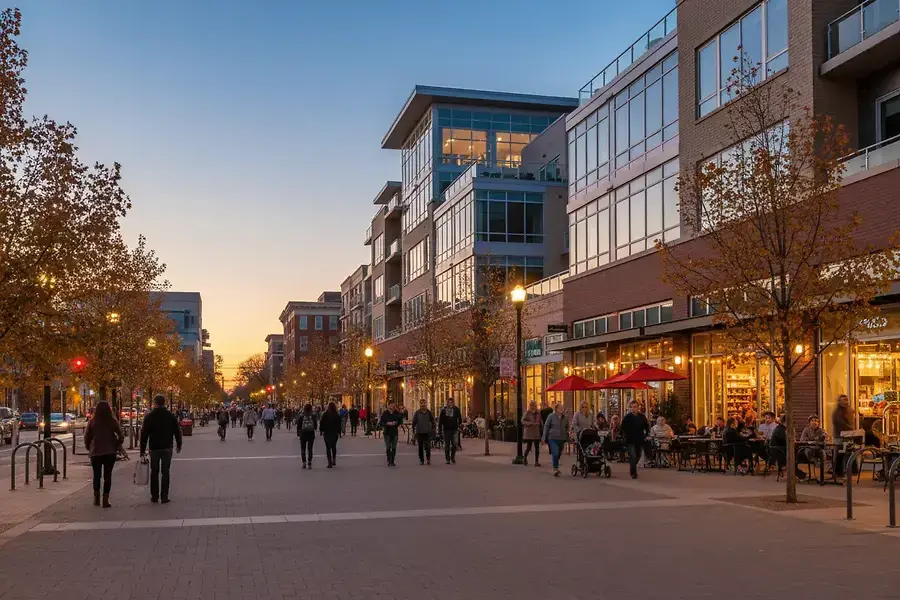
Understanding Mixed-Use Properties: Benefits for Investors and Residents
Mixed-use developments represent one of the most dynamic segments of modern real estate, combining residential, commercial, and often recreational spaces within a single property or complex. This innovative approach to urban development has transformed how investors think about real estate portfolios and how communities experience their neighborhoods.
What Makes Mixed-Use Properties Attractive
Mixed-use properties offer multiple revenue streams from a single investment. Rather than relying on a single tenant or residential lease, investors benefit from diverse income sources including retail tenants, office spaces, and residential units. This diversification reduces risk and creates more stable, long-term returns.
For residents, these developments provide convenience and walkability. Imagine living above a coffee shop, with a gym, grocery store, and restaurants all within steps of your home. This lifestyle appeal attracts premium tenants and justifies higher rental rates.
Key Benefits for Investors
- Revenue Diversification: Multiple income sources from residential, retail, and office components
- Higher Property Values: Mixed-use developments typically command premium valuations compared to single-use properties
- Tenant Stability: Diverse tenant base reduces vacancy risk and creates resilient cash flows
- Community Appeal: These developments attract quality tenants seeking vibrant, walkable neighborhoods
- Adaptive Reuse Opportunities: Converting older buildings into mixed-use spaces offers significant value-add potential
Bloomington's Strategic Neighborhoods Attracting Mixed-Use Development
Bloomington's real estate market is experiencing a renaissance, with several neighborhoods emerging as prime locations for mixed-use development. The city's strategic location, growing population, and supportive local policies have created an ideal environment for forward-thinking investors.
Downtown Bloomington Revitalization
The downtown core has become a focal point for mixed-use investment. Historic buildings are being reimagined with ground-floor retail and restaurants supporting upper-level apartments and offices. This adaptive reuse strategy preserves architectural character while meeting modern market demands.
The area's walkability, cultural amenities, and proximity to employment centers make it increasingly attractive to young professionals and established families alike. Investors capitalizing on this trend are seeing strong appreciation and consistent occupancy rates.
Emerging Growth Corridors
Beyond downtown, several strategic corridors are attracting significant mixed-use development attention:
- Transit-Oriented Zones: Areas near public transportation hubs are experiencing rapid mixed-use development as commuters seek convenient, walkable neighborhoods
- University District Expansion: Proximity to educational institutions drives demand for student housing integrated with retail and service amenities
- Commercial Hub Conversions: Aging office parks and retail centers are being reimagined as vibrant mixed-use communities
Market Indicators Supporting Growth
Several factors indicate strong momentum for mixed-use development in Bloomington:
The convergence of demographic shifts, changing work patterns, and consumer preferences for walkable communities has created unprecedented demand for thoughtfully designed mixed-use spaces.
Population growth, millennial and Gen Z preferences for urban living, and the rise of remote work have all contributed to increased demand for mixed-use properties that offer flexibility and community.
Financing and Regulatory Considerations for Residential/Commercial Projects
Successfully developing mixed-use properties requires navigating complex financing and regulatory landscapes. Understanding these considerations is essential for project success.
Financing Mixed-Use Developments
Mixed-use projects typically require specialized financing approaches that differ from traditional single-use property loans. Lenders must evaluate multiple revenue streams and assess the viability of diverse tenant bases.
- Construction Financing: Bridge loans and construction credit lines must account for phased development and varying lease-up timelines
- Permanent Financing: Permanent mortgages for mixed-use properties often require detailed pro formas showing residential and commercial performance separately
- Equity Partnerships: Many developers partner with institutional investors to share risk and capital requirements
- Tax Incentives: Historic preservation credits and opportunity zone benefits can significantly improve project economics
Navigating Bloomington's Regulatory Environment
Bloomington has developed progressive zoning policies that encourage mixed-use development. However, investors must still navigate several regulatory considerations:
Zoning Compliance: Understanding local zoning codes is critical. Many of Bloomington's strategic neighborhoods have been rezoned to permit mixed-use development, but specific requirements vary by location.
Parking Requirements: Mixed-use developments often benefit from reduced parking requirements compared to single-use properties, as residential and commercial users have different peak parking times.
Design Standards: Many neighborhoods have architectural guidelines ensuring new developments complement existing character while meeting modern standards.
Permitting Timeline: Working with experienced local consultants can streamline the permitting process and identify potential challenges early.
Positioning Your Portfolio in Bloomington's Hybrid Real Estate Landscape
For real estate professionals seeking to capitalize on Bloomington's mixed-use opportunities, strategic positioning is essential.
Investment Strategy Considerations
Successful mixed-use investors in Bloomington focus on several key strategies:
- Location Selection: Prioritize neighborhoods with strong demographic trends, walkability scores, and proximity to employment centers
- Tenant Mix Optimization: Carefully curate retail and service tenants that complement residential offerings and create destination appeal
- Community Integration: Successful projects enhance neighborhood character and address local needs rather than imposing external concepts
- Flexibility and Adaptability: Design spaces that can evolve with market demands and changing consumer preferences
Building Your Mixed-Use Expertise
Professionals new to mixed-use development should consider:
Market Research: Deep understanding of local demographics, employment patterns, and consumer preferences is essential. Study successful mixed-use projects in comparable markets.
Network Development: Build relationships with local developers, lenders, architects, and municipal officials who understand Bloomington's unique market dynamics.
Financial Modeling: Develop sophisticated pro formas that account for residential and commercial components separately, including realistic lease-up assumptions and operating expense projections.
The Future of Bloomington's Mixed-Use Market
Bloomington's mixed-use real estate landscape continues to evolve. As consumer preferences shift toward walkable, vibrant communities and investors seek diversified returns, mixed-use development will likely remain a cornerstone of the city's growth strategy.
Forward-thinking real estate professionals who understand the nuances of mixed-use development, navigate regulatory requirements effectively, and identify strategic locations will be well-positioned to capture significant value in Bloomington's dynamic market.
The convergence of residential and commercial real estate in Bloomington represents more than a trend—it reflects fundamental shifts in how communities are built and how investors create sustainable, long-term value.


