Mixed-Use Development Opportunities in Boston's Northern Suburbs
Discover why savvy investors are targeting Billerica, Woburn, and Andover for high-potential residential-commercial projects.

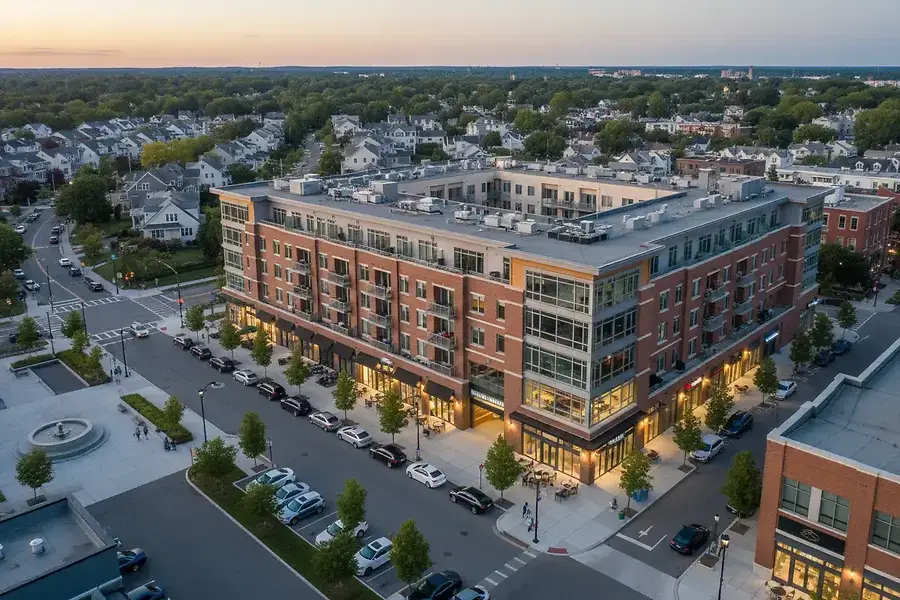
The Rise of Mixed-Use Properties in the North Shore Market
The real estate landscape in Boston's northern suburbs is undergoing a significant transformation. Mixed-use developments—properties that combine residential, commercial, and retail spaces—are reshaping communities like Billerica, Woburn, and Andover. This shift represents more than just a trend; it reflects a fundamental change in how people want to live, work, and shop.
For decades, suburban development followed a predictable pattern: residential neighborhoods separated from commercial districts by highways and parking lots. Today's savvy investors recognize that this model is outdated. Modern residents and businesses increasingly prefer walkable, integrated communities where daily needs are accessible without a car. The northern suburbs of Boston are perfectly positioned to capitalize on this demand.
The convergence of several factors has created an ideal environment for mixed-use development in this region. Strong population growth, improved transportation infrastructure, and a shortage of available land have made these communities attractive to both developers and investors seeking long-term returns.
Market Demand: Why Residential-Commercial Developments Are Thriving in These Communities
Demographic Shifts Driving Demand
The appeal of mixed-use developments extends across multiple demographic groups. Young professionals seek urban-style living without the high costs of downtown Boston. Families want convenient access to shopping, dining, and services. Empty-nesters prefer walkable communities where they can downsize while maintaining an active lifestyle.
Billerica, Woburn, and Andover have all experienced population growth, with an increasing percentage of residents seeking properties that offer convenience and community. This demographic reality translates directly into strong demand for mixed-use projects that provide housing above retail spaces, apartments near office parks, or residential units integrated with entertainment venues.
Economic Resilience and Job Growth
These northern suburbs benefit from a robust local economy. Major employers in technology, healthcare, and professional services have established significant operations in the region. This employment base creates a stable tenant pool for both residential and commercial components of mixed-use developments.
The presence of established businesses also attracts new companies seeking to relocate or expand. When commercial tenants are secured, residential components become more attractive to renters and buyers who value proximity to employment centers. This symbiotic relationship strengthens the entire mixed-use ecosystem.
Changing Consumer Preferences
Consumer behavior has shifted dramatically in recent years. Convenience, walkability, and community engagement now rank among the top priorities for many residents. Mixed-use developments deliver on all three fronts:
- Convenience: Residents can access groceries, restaurants, and services without traveling far
- Walkability: Well-designed mixed-use projects encourage pedestrian traffic and reduce car dependency
- Community: Shared spaces and diverse uses create vibrant neighborhoods where people interact and build connections
Investment Potential: Key Locations and Property Types Attracting Buyers and Developers
Billerica: The Emerging Hub
Billerica's strategic location along major transportation corridors makes it an attractive target for mixed-use development. The town's relatively affordable land prices compared to closer-in suburbs, combined with strong infrastructure, create compelling economics for developers.
Key opportunities in Billerica include:
- Transit-oriented developments near commuter rail stations
- Adaptive reuse of industrial properties into residential-retail complexes
- New construction projects on underutilized commercial parcels
Woburn: Revitalization and Growth
Woburn has undergone significant revitalization efforts, with municipal leadership actively supporting mixed-use development. The town's downtown area presents particular opportunities for projects that combine residential units with ground-floor retail and restaurants.
Investors are drawn to Woburn's established infrastructure, educated workforce, and growing quality-of-life amenities. Several successful mixed-use projects have already demonstrated strong market demand, paving the way for additional development.
Andover: Premium Mixed-Use Opportunities
Andover represents the premium end of the northern suburbs market. Its excellent schools, affluent demographics, and strong property values attract developers focused on higher-end mixed-use projects. Luxury apartment buildings with ground-floor retail and upscale dining establishments are finding strong market reception.
The town's commitment to thoughtful development and community engagement has created a favorable environment for quality projects that enhance rather than detract from the community character.
Property Types and Investment Structures
Successful mixed-use developments in these communities take various forms:
- Residential over retail: Apartments or condos above street-level shops and restaurants
- Office-residential hybrids: Professional office space integrated with residential units
- Entertainment-residential combinations: Housing with integrated entertainment venues, fitness centers, or cultural spaces
- Adaptive reuse projects: Converting historic or industrial buildings into mixed-use spaces
Each property type offers distinct advantages depending on local market conditions, available sites, and investor objectives. Diversification across property types can help investors manage risk while capturing multiple revenue streams.
Positioning Yourself as the Mixed-Use Real Estate Expert in This Growing Sector
For real estate professionals, developers, and investors, the northern suburbs represent a significant opportunity. The market is still developing, meaning early movers can establish themselves as experts and capture disproportionate market share.
Key strategies for success include:
- Developing deep knowledge of local zoning regulations and development incentives in each community
- Building relationships with municipal officials and planning boards
- Understanding demographic trends and consumer preferences in the target markets
- Analyzing comparable projects to identify successful models and avoid pitfalls
- Staying informed about transportation improvements and infrastructure investments
The mixed-use development sector in Boston's northern suburbs is at an inflection point. Communities are increasingly receptive to thoughtful, well-designed projects that enhance neighborhood character while meeting market demand. Investors and developers who understand these dynamics and can execute quality projects will find abundant opportunities for attractive returns.
The convergence of demographic trends, economic strength, and changing consumer preferences creates a compelling investment thesis. The time to establish expertise and secure prime locations is now, before the market becomes saturated and competition intensifies. Those who position themselves as knowledgeable, reliable partners in this sector will be well-positioned to capitalize on years of growth ahead.


