Mixed-Use Development Opportunities in Dallas's Growing Markets
Discover how residential-commercial hybrid properties are reshaping investment potential across Dallas neighborhoods.

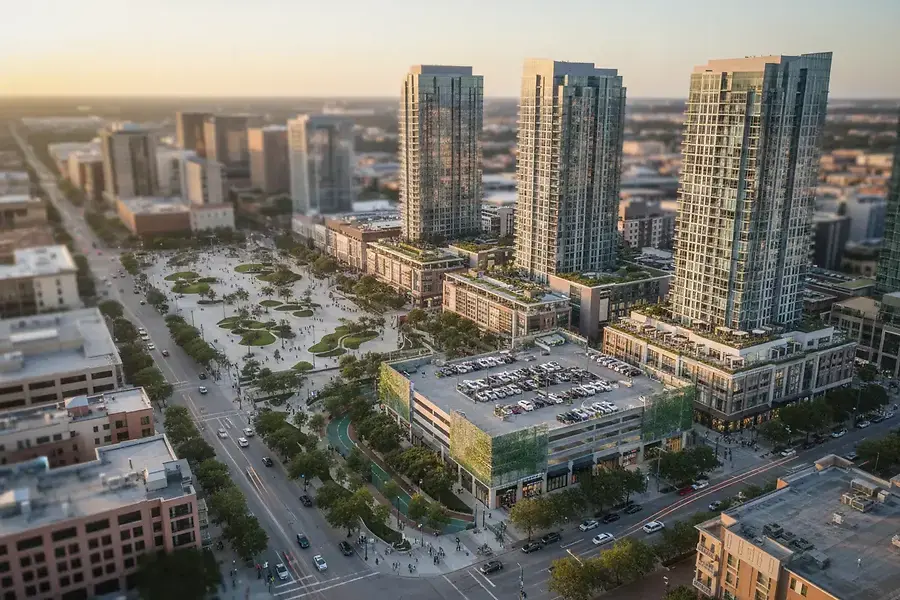
The Rise of Mixed-Use Properties in Dallas Real Estate
Dallas's real estate landscape is undergoing a significant transformation, with mixed-use developments emerging as one of the most dynamic investment opportunities in the market. These innovative properties, which seamlessly blend residential, commercial, and retail spaces, are reshaping how investors approach real estate in the Lone Star State.
The shift toward mixed-use properties reflects broader changes in how people want to live and work. Rather than maintaining strict separation between home and commerce, modern residents increasingly prefer walkable neighborhoods where they can live, shop, dine, and conduct business within close proximity. Dallas developers have recognized this trend and are capitalizing on it by creating vibrant communities that cater to this lifestyle preference.
Why is Dallas particularly well-positioned for mixed-use growth? The city's expanding population, diverse economy, and forward-thinking urban planning policies create an ideal environment for these hybrid developments. Additionally, Dallas's relatively affordable real estate compared to other major metropolitan areas makes it an attractive destination for both developers and investors seeking strong returns.
Understanding Residential-Commercial Hybrid Investments and Their Benefits
What Are Mixed-Use Properties?
Mixed-use properties are real estate developments that integrate multiple uses within a single project or building. Typically, these include:
- Residential units - Apartments, condominiums, or lofts
- Retail spaces - Shops, restaurants, and cafes
- Office spaces - Professional offices and corporate headquarters
- Entertainment venues - Theaters, gyms, and cultural centers
- Parking facilities - Integrated or structured parking solutions
Key Benefits for Investors
Revenue Diversification stands as one of the primary advantages of mixed-use investments. Rather than relying on a single revenue stream, investors benefit from multiple income sources within the same property. Residential leases provide stable, long-term income, while commercial tenants often sign longer contracts with higher profit margins.
Increased Property Value is another compelling benefit. Mixed-use developments typically command premium prices due to their versatility and appeal to a broader range of tenants and buyers. The integrated nature of these properties creates synergies that enhance overall value.
Additionally, mixed-use properties offer reduced vacancy risk. When one sector experiences a downturn, other components can maintain occupancy rates, providing a buffer against market fluctuations. This resilience makes mixed-use investments particularly attractive during uncertain economic times.
Operational Advantages
From an operational perspective, mixed-use properties benefit from shared infrastructure and amenities. Parking facilities, security systems, and maintenance services can be consolidated, reducing per-unit costs. This efficiency translates to higher profit margins for property owners.
"Mixed-use developments represent the future of urban real estate. They create vibrant communities while providing investors with multiple revenue streams and reduced risk exposure." - Real Estate Industry Expert
Top Dallas Neighborhoods Driving Mixed-Use Development Growth
Downtown Dallas
Downtown Dallas remains the epicenter of mixed-use development activity. The neighborhood has experienced remarkable revitalization, with historic buildings being converted into loft apartments above ground-floor retail and restaurants. The area's walkability, proximity to employment centers, and cultural attractions make it highly desirable for both residents and businesses.
Deep Ellum
Once an overlooked industrial area, Deep Ellum has transformed into one of Dallas's most vibrant neighborhoods. Mixed-use developments here combine artist lofts, creative office spaces, galleries, and trendy restaurants. The neighborhood's artistic character and lower real estate costs compared to downtown make it an attractive investment opportunity with significant growth potential.
Uptown
Uptown Dallas continues to attract premium mixed-use developments that cater to young professionals and affluent residents. The neighborhood's established infrastructure, excellent dining and entertainment options, and proximity to major employment centers support strong rental demand for both residential and commercial spaces.
Oak Lawn
Oak Lawn is experiencing renewed interest as developers recognize the neighborhood's potential for mixed-use redevelopment. With its central location and access to major thoroughfares, Oak Lawn offers opportunities for investors seeking emerging markets with strong growth trajectories.
Bishop Arts District
The Bishop Arts District represents Dallas's commitment to preserving neighborhood character while embracing modern development. Mixed-use projects here blend historic preservation with contemporary amenities, creating unique properties that appeal to culturally-conscious residents and businesses seeking distinctive locations.
Positioning Yourself as a Mixed-Use Real Estate Expert
Key Strategies for Success
To establish yourself as a mixed-use real estate expert in Dallas, focus on the following strategies:
- Develop specialized knowledge about zoning regulations, financing structures, and market dynamics specific to mixed-use properties
- Build relationships with developers, property managers, and other industry professionals
- Stay informed about market trends, demographic shifts, and economic indicators affecting Dallas real estate
- Showcase successful projects through case studies and detailed market analysis
- Network actively within real estate investment groups and professional organizations
Understanding Market Dynamics
Successful mixed-use investors understand that these properties require different evaluation criteria than traditional real estate. Key metrics include tenant mix optimization, cross-tenant synergies, and community impact potential. By mastering these concepts, you'll be better positioned to identify high-potential opportunities and negotiate favorable terms.
The Importance of Location Analysis
Location remains paramount in mixed-use real estate. Analyze demographic trends, employment growth, transportation accessibility, and neighborhood development plans. Dallas's diverse neighborhoods each present unique opportunities, and understanding these nuances will set you apart as a knowledgeable professional.
Conclusion: Positioning Yourself as a Mixed-Use Real Estate Expert
Mixed-use development opportunities in Dallas represent a compelling investment frontier. As the city continues to grow and evolve, the demand for integrated residential-commercial properties will only increase. By understanding the benefits of these hybrid investments, staying informed about key neighborhoods, and developing specialized expertise, you can position yourself to capitalize on this lucrative market segment.
The future of Dallas real estate belongs to those who recognize the value of mixed-use properties and understand how to leverage their unique characteristics. Whether you're an experienced investor or entering the real estate market, mixed-use developments offer the diversification, resilience, and growth potential that define successful long-term investments.
Start your journey today by researching Dallas neighborhoods, connecting with industry professionals, and deepening your understanding of mixed-use market dynamics. The opportunities are substantial, and the time to act is now.