Mixed-Use Development Opportunities in Denver and Greenwood Village
Discover how residential-commercial hybrid properties are creating profitable investment and lifestyle opportunities in Colorado's fastest-growing markets.

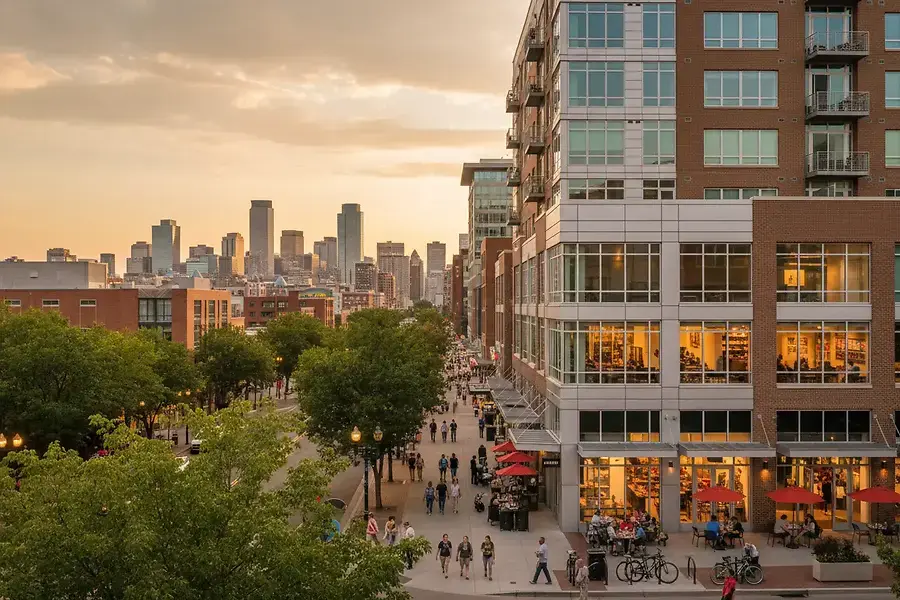
The Rise of Mixed-Use Properties in Denver and Greenwood Village
Denver and Greenwood Village have emerged as epicenters of mixed-use development in Colorado, transforming the way people live, work, and invest. These residential-commercial hybrid properties represent a fundamental shift in real estate philosophy, blending the convenience of urban living with the accessibility of local commerce. The trend reflects broader changes in consumer preferences, with more people seeking integrated communities where daily necessities are within walking distance of their homes.
The growth of mixed-use developments in these markets has been remarkable. What once seemed like a niche concept has become mainstream, attracting major developers, institutional investors, and individual property owners. This evolution has created unprecedented opportunities for those willing to understand and navigate this dynamic market segment.
What Makes Residential-Commercial Properties Attractive to Investors and Homeowners
Financial Benefits for Investors
Mixed-use properties offer compelling financial advantages that traditional single-use real estate cannot match. Diversified income streams are perhaps the most attractive feature—investors can generate revenue from both residential leases and commercial tenants simultaneously. This dual-income approach significantly reduces risk and improves overall property performance.
- Higher capitalization rates compared to single-use properties
- Increased property values due to enhanced utility and demand
- Tax advantages through cost segregation strategies
- Resilience during market fluctuations affecting specific sectors
Lifestyle Appeal for Residents
For homeowners and renters, mixed-use developments offer unparalleled convenience and community engagement. Residents enjoy ground-floor retail, restaurants, and services while living above or nearby in comfortable residential units. This walkable, integrated lifestyle reduces commute times and fosters vibrant neighborhood communities.
Mixed-use developments create neighborhoods where people can live, work, and play without ever leaving their community—a lifestyle increasingly valued by modern residents.
Key Neighborhoods and Emerging Opportunities in Both Markets
Denver's Premier Mixed-Use Corridors
Lower Downtown (LoDo) continues to be Denver's flagship mixed-use destination, with historic buildings converted into lofts above trendy restaurants and boutiques. The neighborhood's success has spawned similar developments throughout the city.
RiNo (River North) represents the next frontier, with industrial warehouses transforming into artist lofts, galleries, and creative businesses. This neighborhood offers investors opportunities to participate in early-stage gentrification with significant upside potential.
South Pearl Street has evolved into a sophisticated mixed-use corridor featuring upscale residential units above high-end retail and dining establishments. The neighborhood attracts affluent residents and commands premium pricing.
Greenwood Village's Strategic Opportunities
Greenwood Village, while traditionally more suburban, is experiencing a mixed-use renaissance. The Greenwood Plaza area is transitioning from purely commercial to include residential components, creating unique investment opportunities in an established, affluent market.
The village's strong schools, low crime rates, and affluent demographics make it particularly attractive for upscale residential-commercial combinations. Investors targeting this market should focus on properties that cater to the area's demographic profile.
How to Evaluate and Invest in Mixed-Use Real Estate Successfully
Due Diligence Essentials
Successful mixed-use investment begins with thorough evaluation. Market analysis should examine demographic trends, foot traffic patterns, and commercial tenant demand. Understanding the specific neighborhood's growth trajectory is crucial.
- Analyze current and projected population growth
- Review zoning regulations and development restrictions
- Evaluate existing commercial tenant mix and vacancy rates
- Assess parking availability and accessibility
- Study pedestrian traffic patterns and walkability scores
Financial Modeling and Risk Assessment
Mixed-use properties require sophisticated financial analysis. Pro forma statements should model both residential and commercial income streams separately, accounting for different lease terms, tenant turnover rates, and maintenance costs. Conservative assumptions are essential—overestimating commercial occupancy or residential rental rates can lead to poor investment decisions.
Consider the complexity of managing multiple tenant types. Commercial tenants typically require different lease structures, maintenance responsibilities, and operational considerations than residential tenants. Factor these management complexities into your financial projections.
Tenant Mix and Operational Considerations
The success of mixed-use properties heavily depends on thoughtful tenant selection and management. Complementary businesses create synergy—a coffee shop, bookstore, and fitness studio work well together, while conflicting uses (like a nightclub above residential units) create operational challenges.
Successful operators understand that mixed-use properties require active management. Community management becomes critical when residential and commercial tenants share common spaces. Clear policies regarding noise, hours of operation, and shared amenities prevent conflicts and maintain property value.
Financing Strategies
Financing mixed-use properties differs from traditional real estate loans. Lenders view these properties as more complex and may require larger down payments or higher interest rates. However, the diversified income streams often justify favorable loan terms when properly documented.
Working with lenders experienced in mixed-use properties is essential. They understand the unique cash flow characteristics and can structure loans that reflect the property's true earning potential.
The Future of Mixed-Use Development
Denver and Greenwood Village are positioned at the forefront of Colorado's real estate evolution. As remote work becomes more prevalent and urban living preferences shift, mixed-use developments will continue to attract investment capital and resident interest.
The opportunities available today in these markets represent a convergence of favorable demographics, strong economic fundamentals, and evolving lifestyle preferences. Whether you're an investor seeking diversified income streams or a homeowner seeking integrated community living, mixed-use properties in Denver and Greenwood Village deserve serious consideration.
Success in this market requires education, careful analysis, and a long-term perspective. Those who understand the unique dynamics of mixed-use real estate and invest strategically will likely benefit from the continued growth and evolution of Colorado's most dynamic markets.


