Mixed-Use Development Opportunities in Denver's South Suburbs
Discover the commercial and residential investment potential reshaping neighborhoods like Littleton, Englewood, and Centennial.

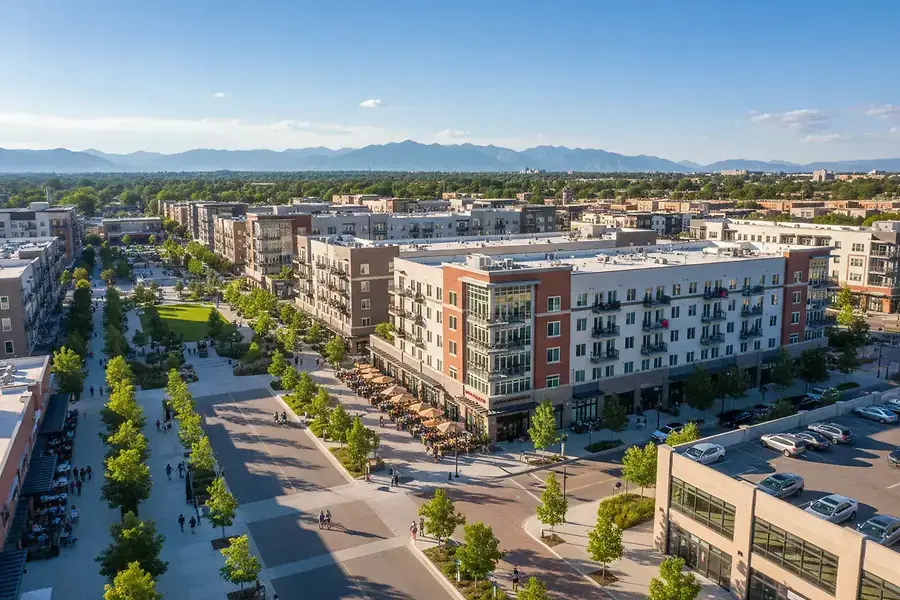
The Rise of Mixed-Use Properties in South Denver
Denver's south suburbs are experiencing a transformative shift in real estate development. Mixed-use properties—developments that combine residential, commercial, and sometimes office spaces under one roof or within a unified community—are becoming increasingly attractive to investors and developers. This trend reflects a broader change in how people want to live and work, with a growing preference for walkable, vibrant communities that eliminate the need for constant commuting.
The south suburbs of Denver, including Littleton, Englewood, and Centennial, have emerged as prime locations for these innovative developments. These areas offer the perfect balance of established infrastructure, growing populations, and available land for expansion. Unlike the densely packed urban core, these suburbs provide opportunities for larger-scale projects that can truly reshape neighborhoods and create thriving mixed-use ecosystems.
Strategic Locations for Commercial-Residential Ventures
Littleton: The Charming Gateway
Littleton has long been known for its small-town charm and strong community spirit. Today, it's becoming a hotbed for mixed-use development. The downtown corridor, in particular, is seeing significant investment in projects that blend retail spaces, restaurants, and apartments. These developments capitalize on Littleton's existing pedestrian-friendly infrastructure and its appeal to both young professionals and families.
Key advantages for investors:
- Established downtown district with historical character
- Strong local community engagement and support
- Proximity to major employment centers
- Access to parks and recreational amenities
Englewood: The Urban Connector
Englewood's strategic location between Denver and the south suburbs makes it an ideal hub for mixed-use development. The city has been actively encouraging projects that bring together office spaces, retail, and residential units. Several major corridors are being reimagined with modern mixed-use complexes that serve both local residents and regional visitors.
Development highlights:
- Multiple transit-oriented development opportunities
- Growing tech and professional services sector
- Diverse demographic appeal
- Competitive land and development costs
Centennial: The Emerging Powerhouse
Centennial represents one of the most dynamic markets for mixed-use development in the south suburbs. With a younger demographic and strong economic growth, the city is attracting major developers and investors. New projects are transforming commercial corridors into vibrant mixed-use destinations that offer everything from high-end dining to modern apartments and office spaces.
Investment opportunities:
- High population growth rates
- Strong household income levels
- Limited existing mixed-use inventory
- Excellent schools and family-friendly amenities
Market Demand and Growth Projections for Hybrid Properties
Shifting Consumer Preferences
The demand for mixed-use properties is driven by fundamental changes in how people want to live. Millennials and Gen Z consumers increasingly prefer walkable neighborhoods where they can live, work, and play without relying heavily on personal vehicles. This demographic shift is creating sustained demand for well-designed mixed-use developments.
Additionally, remote work has changed the equation. While some workers remain office-based, others seek flexible arrangements. Mixed-use developments that include co-working spaces, cafes, and collaborative environments appeal to this new workforce reality.
Economic Growth Indicators
Denver's south suburbs are experiencing robust economic growth. Population projections indicate continued expansion, with families and young professionals relocating to these areas for affordable housing, quality schools, and lifestyle amenities. This population growth directly translates to increased demand for retail, dining, entertainment, and services—all key components of successful mixed-use developments.
Commercial real estate metrics also support investment in these areas. Retail vacancy rates remain competitive, office space demand is steady, and residential absorption rates are strong. This combination creates an ideal environment for mixed-use projects that can leverage multiple revenue streams.
Return on Investment Potential
Mixed-use developments offer investors several advantages over single-use properties:
- Diversified revenue streams: Income from residential leases, commercial tenants, and retail operations reduces risk
- Higher property valuations: Mixed-use properties typically command premium valuations due to their complexity and income potential
- Resilience: If one sector experiences downturns, other components can maintain overall project performance
- Community impact: These developments often receive favorable zoning approvals and tax incentives due to their community benefits
Future Growth Catalysts
Several factors suggest continued growth in Denver's south suburbs mixed-use market. Infrastructure improvements, including enhanced public transportation and road expansions, are making these areas more accessible. Additionally, major employers are establishing offices in the south suburbs, reducing the need for long commutes to downtown Denver.
Local governments are also supporting mixed-use development through zoning reforms and incentive programs.
Communities that embrace mixed-use development position themselves as forward-thinking, attractive places to live and do business.
Positioning Your Portfolio in Denver's Evolving Real Estate Market
For real estate investors and developers, the south suburbs of Denver represent a compelling opportunity. The convergence of demographic trends, economic growth, and changing consumer preferences creates an ideal environment for mixed-use development.
Key takeaways for investors:
- South Denver suburbs offer more affordable entry points than urban core properties
- Mixed-use developments provide multiple revenue streams and lower risk profiles
- Strong population growth and economic indicators support long-term appreciation
- Local government support and zoning flexibility facilitate project development
- Demographic shifts favor walkable, vibrant communities with integrated amenities
The mixed-use development wave in Denver's south suburbs is not a temporary trend—it reflects fundamental shifts in how people want to live and work. Investors who recognize this opportunity and position their portfolios accordingly stand to benefit from both strong returns and the satisfaction of creating meaningful community improvements.
Whether you're a seasoned developer or an investor exploring new opportunities, the south suburbs of Denver offer a compelling case for mixed-use development investment. The combination of strategic locations, growing demand, and supportive market conditions makes this an ideal time to explore what these dynamic communities have to offer.


