Mixed-Use Development Opportunities in Fort Worth and Cleburne
Discover how residential-commercial hybrid properties are reshaping the real estate landscape across the Fort Worth to Cleburne corridor.

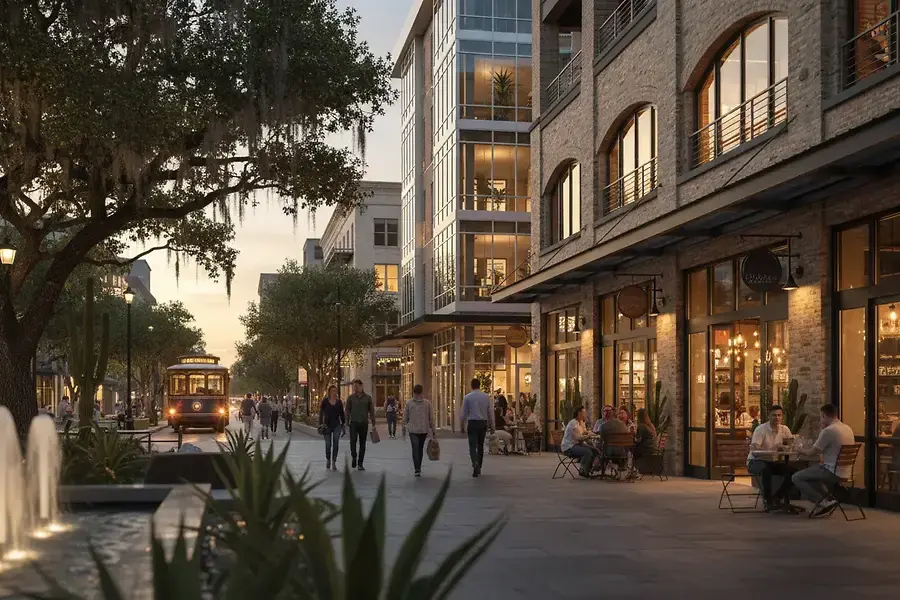
The Rise of Mixed-Use Properties in North Texas
The real estate landscape across the Fort Worth to Cleburne corridor is undergoing a remarkable transformation. Mixed-use properties—developments that combine residential, commercial, and sometimes office spaces under one roof or within a unified community—are rapidly becoming the preferred choice for both investors and homeowners. This shift represents a fundamental change in how people want to live, work, and conduct business in North Texas.
The appeal is clear: mixed-use developments offer convenience, walkability, and economic efficiency that traditional single-use properties simply cannot match. Rather than commuting across town for work or shopping, residents can access essential services within steps of their homes. This trend reflects broader demographic shifts and changing lifestyle preferences that are reshaping communities throughout the region.
Why Investors and Homeowners Are Choosing Residential-Commercial Hybrid Properties
Economic Benefits for Investors
For real estate investors, mixed-use properties present compelling financial opportunities. The diversified revenue streams from residential units, retail spaces, and office leases create more stable and predictable income flows. Unlike single-use properties that depend on one market segment, mixed-use developments can weather economic fluctuations more effectively.
- Multiple income sources reduce financial risk
- Higher occupancy rates across different tenant types
- Increased property values due to enhanced utility and demand
- Tax advantages and depreciation benefits
Lifestyle Advantages for Residents
Homeowners and renters are drawn to mixed-use properties for lifestyle reasons. The ability to live, work, and play in the same community eliminates lengthy commutes and creates vibrant, walkable neighborhoods. Residents enjoy:
- Reduced commute times and transportation costs
- Access to local restaurants, shops, and services
- Stronger sense of community and social connection
- Increased property values in established mixed-use areas
- Environmental benefits through reduced carbon footprints
Urban Development Perspective
City planners and developers recognize that mixed-use properties are essential for sustainable urban growth. These developments maximize land use efficiency, reduce sprawl, and create vibrant downtown areas that attract businesses and talent to the region.
Key Neighborhoods in Fort Worth and Cleburne Leading the Mixed-Use Trend
Fort Worth's Emerging Mixed-Use Hubs
Fort Worth has become a hotbed for mixed-use development, with several neighborhoods leading the charge:
Downtown Fort Worth continues its renaissance with luxury residential towers integrated with retail, dining, and entertainment venues. The Stockyards area is evolving beyond its historic roots to include modern mixed-use spaces that honor tradition while embracing contemporary development.
The Near Southside neighborhood has transformed into one of the most desirable mixed-use communities in Texas, featuring trendy lofts, boutique shops, galleries, and restaurants all within walking distance. This area exemplifies how mixed-use development can revitalize historic neighborhoods while preserving their character.
Emerging areas like Trinity Groves showcase innovative mixed-use concepts with residential units above creative office spaces and unique retail establishments, creating a dynamic community that attracts young professionals and entrepreneurs.
Cleburne's Growing Opportunities
While Cleburne is smaller than Fort Worth, it's experiencing significant mixed-use development momentum. Downtown Cleburne revitalization projects are introducing residential lofts above street-level retail and restaurants, breathing new life into the historic downtown core. These developments are attracting both local entrepreneurs and regional investors seeking more affordable entry points into the mixed-use market.
The corridor between Fort Worth and Cleburne presents unique opportunities for developers willing to identify emerging neighborhoods poised for growth. Properties in transitional areas often offer better pricing while positioned to benefit from regional development trends.
How to Evaluate and Invest in Mixed-Use Properties: A Practical Guide
Assess Location and Market Fundamentals
Location remains paramount when evaluating mixed-use properties. Consider:
- Walkability scores and proximity to public transportation
- Population density and demographic trends in the surrounding area
- Local employment centers and job growth projections
- Existing and planned infrastructure improvements
- Competition from other mixed-use developments
Analyze Tenant Mix and Revenue Potential
The success of a mixed-use property depends heavily on its tenant composition. Evaluate the quality and stability of existing tenants, lease terms, and occupancy rates. Look for properties with:
- Diverse tenant types that complement each other
- Long-term lease agreements with creditworthy tenants
- Reasonable vacancy rates (typically 5-10% is healthy)
- Room for rent growth based on market conditions
Understand Operational Complexity
Mixed-use properties require more sophisticated management than single-use buildings. You'll need to coordinate maintenance, security, and services across multiple tenant types and residential units. Factor in higher management costs and ensure you have access to experienced property management teams familiar with mixed-use operations.
Financial Evaluation
Conduct thorough financial analysis including:
- Net Operating Income (NOI) from all revenue streams
- Cap rates compared to single-use properties in the area
- Debt service coverage ratios and financing requirements
- Projected cash flow over 5, 10, and 20-year periods
- Exit strategies and potential for value-add improvements
Consider Regulatory and Zoning Factors
Mixed-use properties operate under complex zoning regulations.
Before investing, verify that the property has appropriate zoning for its current use and any planned expansions. Understand local building codes, parking requirements, and any restrictions on commercial activities within residential areas.
Due Diligence and Professional Guidance
Engage qualified professionals including real estate attorneys, accountants, and appraisers experienced with mixed-use properties. Their expertise will help you navigate the complexities and identify potential issues before committing capital.
Conclusion
Mixed-use development opportunities in Fort Worth and Cleburne represent a compelling investment thesis for both seasoned real estate professionals and first-time investors. The convergence of demographic trends, lifestyle preferences, and economic fundamentals creates an ideal environment for mixed-use properties to thrive. By understanding the market dynamics, evaluating properties systematically, and partnering with experienced professionals, investors can position themselves to capitalize on this transformative trend shaping the North Texas real estate landscape.


