Mixed-Use Development Opportunities in Greater Columbus Suburbs
Discover why savvy investors are turning to residential-commercial hybrid properties across Worthington, Dublin, and Westerville for maximum returns.

The Rise of Mixed-Use Properties in Central Ohio
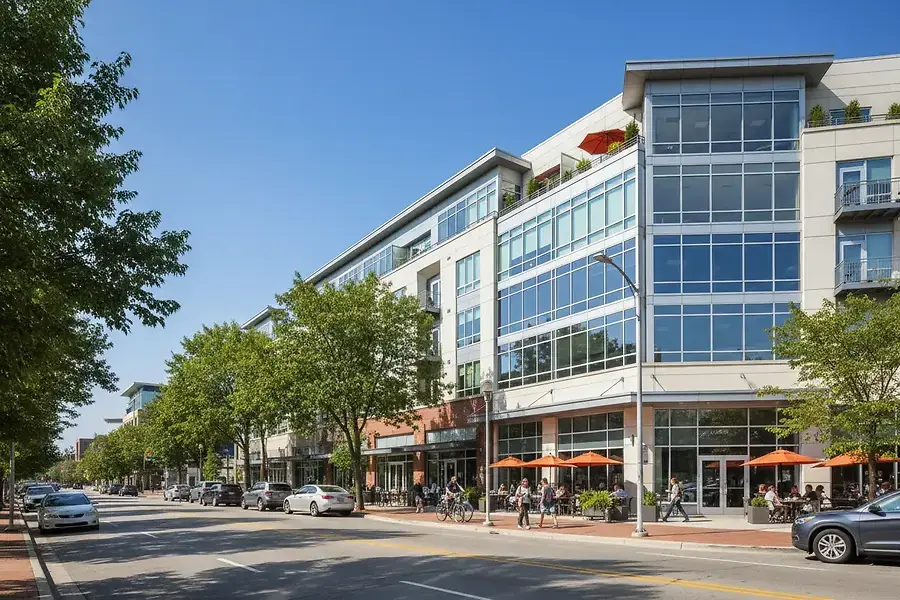
The real estate landscape in Greater Columbus is undergoing a significant transformation. Mixed-use properties—developments that combine residential, commercial, and sometimes office spaces—are reshaping how investors approach real estate opportunities in the region's most desirable suburbs. This hybrid approach offers a compelling value proposition that traditional single-use properties simply cannot match.
The shift toward mixed-use development reflects broader market trends. Consumers increasingly prefer walkable neighborhoods where they can live, work, and shop without relying heavily on automobiles. This lifestyle preference has created unprecedented demand for properties that blend residential comfort with commercial convenience. For investors, this demand translates into multiple revenue streams and enhanced property valuations.
Central Ohio's suburban markets have emerged as prime locations for this real estate evolution. The region's strong population growth, robust economic development, and strategic location within the Midwest make it an ideal testing ground for mixed-use concepts that are proving successful nationwide.
Market Analysis: Which Suburbs Offer the Best Residential-Commercial Potential
Worthington: The Premium Mixed-Use Hub
Worthington stands out as a premier destination for mixed-use development. This affluent suburb combines strong residential demand with thriving commercial corridors, creating ideal conditions for hybrid properties. The area's excellent schools, established infrastructure, and high household incomes make it attractive to both residents and businesses.
Key advantages for investors in Worthington include:
- High average household incomes supporting both residential and retail spending
- Established commercial districts with proven tenant demand
- Strong property appreciation history
- Excellent accessibility via major thoroughfares
- Supportive municipal planning policies for mixed-use development
Dublin: The Growth Corridor
Dublin represents the fastest-growing opportunity in the Greater Columbus market. This dynamic suburb is experiencing rapid commercial expansion while maintaining strong residential appeal, creating a unique window for mixed-use investors. The presence of major corporate headquarters and technology companies fuels both office demand and residential growth.
Dublin's investment advantages include:
- Rapid population growth outpacing regional averages
- Strong employment centers attracting young professionals
- Emerging retail and entertainment districts
- Strategic location near major transportation corridors
- Progressive zoning policies encouraging mixed-use projects
Westerville: The Balanced Opportunity
Westerville offers a balanced approach to mixed-use investing. This suburb provides a sweet spot between established residential stability and emerging commercial potential. The community's family-friendly reputation combined with growing business activity creates diverse tenant opportunities.
Westerville's investment potential features:
- Stable, growing residential base with strong demographic appeal
- Developing commercial corridors with increasing tenant interest
- Community-focused development approach supporting local businesses
- Reasonable property costs compared to premium suburbs
- Strong school system supporting residential values
Investment Strategies: How to Identify and Capitalize on Hybrid Property Opportunities
Location Analysis and Demographic Targeting
Successful mixed-use investors begin with rigorous location analysis. Identify areas where residential density is increasing and commercial activity is expanding. Look for neighborhoods experiencing demographic shifts toward younger, urban-oriented residents who value walkability and convenience.
Key metrics to evaluate include population growth rates, income levels, employment centers, and commute patterns. Properties positioned at the intersection of residential neighborhoods and emerging commercial districts offer the highest potential returns.
Understanding Tenant Mix and Revenue Diversification
The strength of mixed-use properties lies in revenue diversification. Rather than depending on a single tenant type, successful properties generate income from multiple sources: residential leases, retail tenants, office space, and potentially service-oriented businesses.
When evaluating opportunities, analyze the complementary nature of potential tenants. A mixed-use property combining apartments with ground-floor retail, a fitness center, and professional offices creates synergies that increase foot traffic and tenant retention. Residents become customers for retail tenants, and office workers support nearby restaurants and services.
Financing and Capital Structure
Mixed-use properties often require specialized financing approaches. Traditional lenders may view hybrid properties as higher risk due to their complexity. Work with lenders experienced in mixed-use development and consider the following strategies:
- Separate financing for residential and commercial components
- Construction financing with permanent loan takeout provisions
- Partnership structures that align investor interests with lender requirements
- Detailed pro forma analysis demonstrating revenue stability across all components
Regulatory Navigation and Zoning Considerations
Each suburb has distinct zoning regulations and development requirements. Before committing capital, thoroughly understand local zoning codes, parking requirements, and development approval processes. Worthington, Dublin, and Westerville each have planning departments that can provide guidance on mixed-use feasibility.
Engage with municipal officials early in the evaluation process. Many suburbs actively encourage mixed-use development and may offer incentives or streamlined approval processes for qualifying projects.
Operational Excellence and Property Management
Managing mixed-use properties requires specialized expertise. Successful operators understand both residential and commercial property management, addressing the distinct needs of apartment residents, retail tenants, and office users.
The difference between average and exceptional mixed-use properties often comes down to management quality and attention to tenant satisfaction across all property components.
Consider partnering with experienced property management firms that have proven success with hybrid properties. Their expertise in coordinating maintenance, managing diverse tenant bases, and optimizing common areas directly impacts profitability.
Positioning Yourself as the Mixed-Use Real Estate Expert
The mixed-use real estate market in Greater Columbus suburbs represents a significant opportunity for informed investors. By understanding market dynamics, identifying high-potential locations, and implementing sound investment strategies, you can position yourself to capture exceptional returns.
The suburbs of Worthington, Dublin, and Westerville offer distinct advantages for different investment profiles. Premium investors may favor Worthington's established market, growth-oriented investors should consider Dublin's expansion potential, and balanced investors can find compelling opportunities in Westerville.
The key to success is thorough due diligence, strategic planning, and a commitment to operational excellence. Mixed-use properties demand more attention than traditional single-use investments, but the rewards—multiple revenue streams, enhanced property values, and resilient income—justify the additional effort.
As consumer preferences continue shifting toward walkable, mixed-use communities, investors who understand and capitalize on these trends will establish themselves as leaders in the Central Ohio real estate market. The time to act is now, as the best opportunities in these high-demand suburbs are attracting increasing investor attention.


