Mixed-Use Development Opportunities in Metro Atlanta's Growing Communities
Discover how residential-commercial properties are creating wealth-building opportunities for investors across Alpharetta, Marietta, and surrounding areas.

The Rise of Mixed-Use Properties in Metro Atlanta
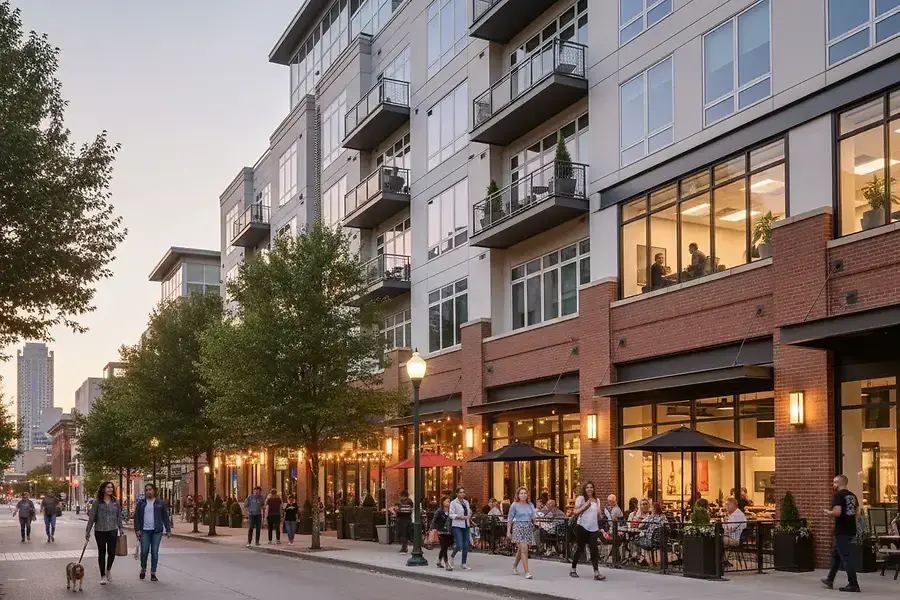
Metro Atlanta has experienced remarkable growth over the past several years, transforming from a traditional sprawling metropolitan area into a hub of innovative urban development. One of the most significant trends reshaping the region's real estate landscape is the emergence of mixed-use properties—developments that seamlessly blend residential, commercial, and retail spaces under one roof or within a single community.
This shift represents more than just a change in architecture; it reflects a fundamental transformation in how people want to live, work, and spend their leisure time. Mixed-use developments are creating unprecedented wealth-building opportunities for investors who understand the potential of these dynamic properties. From bustling downtown corridors to emerging suburban centers, Metro Atlanta's communities are embracing this model with enthusiasm.
The appeal is clear: residents enjoy the convenience of living steps away from their workplaces, shopping, dining, and entertainment options. For investors, this translates into diversified income streams, higher property values, and increased tenant demand. As Metro Atlanta continues to attract new residents and businesses, mixed-use properties have become the gold standard for forward-thinking real estate investment.
Understanding Residential-Commercial Properties: Benefits and Investment Potential
What Are Mixed-Use Properties?
Mixed-use properties combine multiple property types within a single development or building. Typically, you'll find residential units on upper floors with retail shops, restaurants, offices, or service businesses on the ground level. Some developments also include hotels, fitness centers, or entertainment venues.
Key Benefits for Investors
- Diversified Income Streams: Multiple revenue sources reduce dependency on any single tenant or market segment, providing greater financial stability.
- Higher Occupancy Rates: The variety of uses attracts different tenant demographics, leading to more consistent occupancy and rental income.
- Increased Property Values: Mixed-use developments typically command premium prices due to their versatility and strong market demand.
- Resilience During Economic Shifts: When one sector faces challenges, other components of the property can maintain profitability.
- Appeal to Modern Tenants: Today's residents and businesses prioritize convenience and walkability, making mixed-use properties highly desirable.
- Tax Advantages: Investors can benefit from depreciation deductions across multiple property types and commercial components.
Investment Potential in the Current Market
The investment potential for mixed-use properties in Metro Atlanta is substantial. Population growth, corporate relocations, and infrastructure improvements continue to drive demand for these properties. Investors who acquire mixed-use properties now position themselves to benefit from long-term appreciation and consistent cash flow.
The key to success lies in selecting the right location and understanding the specific market dynamics of each community. Properties in high-traffic areas with strong demographic growth tend to perform exceptionally well.
Top Metro Atlanta Markets for Mixed-Use Development: From Alpharetta to Tucker
Alpharetta: The Tech Hub Leader
Alpharetta stands out as one of Metro Atlanta's premier mixed-use development markets. Home to major technology companies and corporate headquarters, Alpharetta attracts young professionals seeking urban convenience with suburban comfort. Downtown Alpharetta's revitalization efforts have created exceptional opportunities for mixed-use investments, with properties combining luxury apartments, office space, and upscale retail.
Marietta: Historic Charm Meets Modern Development
Marietta's town square and surrounding areas have undergone significant transformation, blending historic character with contemporary mixed-use development. The community's walkable downtown, combined with strong residential demand, makes it an attractive market for investors seeking properties with both heritage appeal and modern amenities.
Dunwoody: Suburban Sophistication
Dunwoody's rapid growth and affluent demographic make it ideal for upscale mixed-use properties. The community's focus on quality development and strong retail presence create excellent opportunities for investors targeting higher-income residents and established businesses.
Tucker and Beyond
Emerging markets like Tucker, Decatur, and Smyrna offer compelling opportunities for investors seeking properties with significant growth potential. These communities are experiencing infrastructure improvements and population growth that position them for substantial appreciation in coming years.
What Makes These Markets Stand Out
- Strong population growth and demographic diversity
- Robust job markets and corporate presence
- Excellent transportation infrastructure and accessibility
- Community commitment to quality development and walkability
- Rising property values and rental rates
- Active local business communities and consumer spending
Getting Started: How Real Estate Agents Can Guide Clients to These Opportunities
Educating Clients on Mixed-Use Investment Benefits
Real estate agents play a crucial role in helping clients understand the advantages of mixed-use properties. Agents should educate clients about diversified income potential, market resilience, and long-term appreciation that these properties offer compared to traditional single-use investments.
Conducting Thorough Market Analysis
Successful agents analyze demographic trends, employment growth, infrastructure development, and rental rate trends in specific markets. This data-driven approach helps identify which communities offer the strongest investment potential and which properties are positioned for optimal returns.
Evaluating Property-Specific Factors
Beyond market analysis, agents should evaluate:
- Tenant quality and lease terms
- Property management efficiency
- Maintenance and capital improvement needs
- Zoning regulations and development restrictions
- Parking availability and accessibility
- Proximity to transit, employment centers, and amenities
Building a Network of Specialists
Successful agents connect clients with property managers, accountants, and attorneys who specialize in mixed-use properties. This collaborative approach ensures clients receive comprehensive guidance throughout the investment process.
Staying Current with Market Trends
The mixed-use development landscape evolves continuously. Agents who stay informed about emerging neighborhoods, new developments, and changing consumer preferences position themselves as trusted advisors and gain competitive advantages in serving clients.
Creating Long-Term Client Relationships
Mixed-use property investment is a long-term strategy that requires ongoing support and guidance. Agents who provide consistent market updates, identify new opportunities, and help clients optimize their portfolios build lasting relationships and establish themselves as industry leaders.
Conclusion
Mixed-use development opportunities in Metro Atlanta represent a compelling investment landscape for those ready to capitalize on the region's growth trajectory. From Alpharetta's tech-driven market to Marietta's historic charm and emerging opportunities in Tucker and beyond, these communities offer diverse pathways to wealth creation.
Real estate agents who understand mixed-use properties and can guide clients through the investment process position themselves as valuable partners in their clients' financial success. By combining market expertise, property analysis, and professional networks, agents can help clients unlock the significant potential these dynamic properties offer in Metro Atlanta's thriving communities.


