Mixed-Use Development Opportunities in Metro Detroit's Emerging Markets
Discover how residential and commercial properties are reshaping the landscape across Macomb County and the tri-county area.

The Rise of Mixed-Use Properties in Metro Detroit
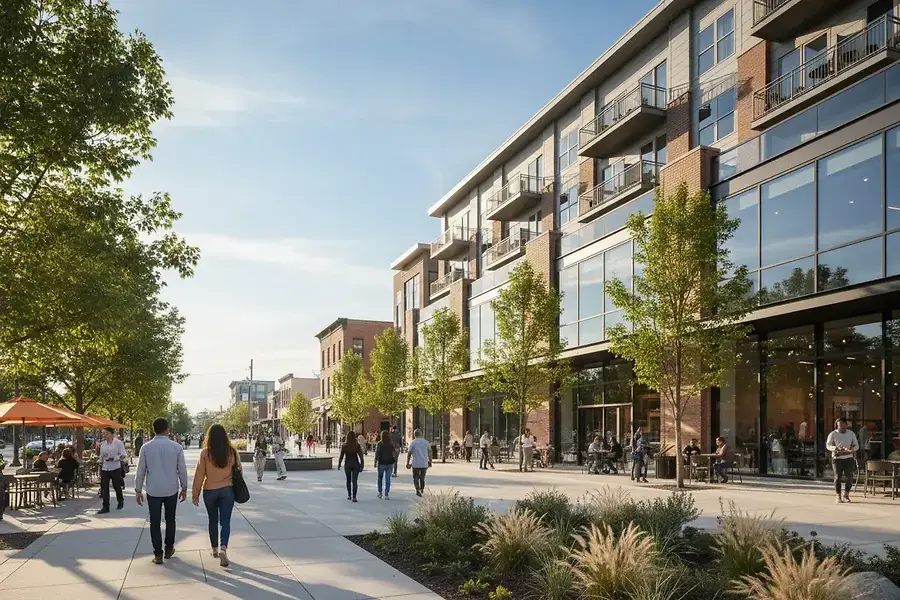
Metro Detroit's real estate landscape is undergoing a significant transformation. Mixed-use developments—properties that combine residential, commercial, and sometimes office spaces—are becoming increasingly popular among investors, developers, and residents alike. This shift represents a fundamental change in how communities are being built and how people choose to live and work.
The appeal of mixed-use properties is clear: they create vibrant neighborhoods where residents can live, shop, dine, and work without extensive commutes. For investors and real estate professionals, these developments offer diversified income streams and reduced vacancy risks compared to single-use properties. As Metro Detroit continues to evolve, understanding these opportunities has become essential for anyone looking to capitalize on the region's growth.
The tri-county area—encompassing Wayne, Oakland, and Macomb counties—is experiencing renewed interest from both national and local developers. This momentum is driven by changing consumer preferences, improved infrastructure, and a growing recognition of Detroit's potential as a major metropolitan hub.
Prime Locations for Residential-Commercial Investment: From Clinton Township to Bloomfield Hills
Clinton Township and Macomb County Leadership
Clinton Township has emerged as a powerhouse for mixed-use development in Macomb County. Its strategic location, excellent schools, and growing population make it an attractive destination for developers. Several major projects are underway, featuring ground-floor retail with residential units above—a classic mixed-use model that's proving highly successful.
Key advantages of investing in Clinton Township include:
- Strong demographic growth and household formation
- Proximity to major employment centers
- Established infrastructure and utilities
- Supportive municipal zoning policies
- Growing retail and dining destinations
Bloomfield Hills and Oakland County Opportunities
Bloomfield Hills represents the upscale end of the mixed-use spectrum. Here, luxury residential units are being paired with high-end retail, wellness centers, and professional offices. These developments cater to affluent residents seeking convenience and lifestyle amenities in one location.
The Bloomfield Hills market demonstrates that mixed-use development isn't limited to urban cores—it's thriving in suburban communities as well. This expansion opens doors for investors across different market segments and price points.
Emerging Neighborhoods Worth Watching
Beyond the established markets, several emerging neighborhoods are attracting developer attention:
- Downtown Pontiac: Revitalization efforts are creating opportunities for adaptive reuse and new construction
- Royal Oak: Already known for walkability, new mixed-use projects are enhancing its appeal
- Ferndale: Younger demographics and cultural attractions are driving mixed-use growth
- Troy: Corporate presence and retail corridors support mixed-use development
Market Trends and Developer Demand Across the Region
What Developers Are Building
Current market trends show developers prioritizing several key features in mixed-use projects:
Walkability and Pedestrian-Friendly Design: Modern mixed-use developments emphasize pedestrian access, reducing reliance on cars and creating vibrant street-level experiences. Ground-floor retail with wide sidewalks, outdoor seating, and public gathering spaces are becoming standard.
Flexible Residential Units: Developers are offering diverse housing options—from studios and one-bedrooms for young professionals to larger units for families. This variety maximizes occupancy rates and appeals to broader demographics.
Integrated Parking Solutions: Rather than surface lots, modern projects feature structured or underground parking, preserving walkable streetscapes and maximizing land use efficiency.
The Demand Side: Who's Investing?
Interest in Metro Detroit mixed-use properties comes from multiple sources:
- National REITs and institutional investors recognizing Detroit's recovery and growth potential
- Local developers with deep market knowledge and community connections
- Owner-operators seeking to build long-term wealth through diversified properties
- International investors attracted by favorable valuations and growth prospects
Financial Performance and Returns
Mixed-use properties in Metro Detroit are delivering competitive returns. The combination of residential rental income, commercial lease revenue, and potential appreciation creates multiple value drivers. Properties in prime locations like Clinton Township and Bloomfield Hills are seeing strong absorption rates and healthy cap rates that attract serious investors.
"Mixed-use development represents the future of real estate in Metro Detroit. Properties that combine residential and commercial uses are more resilient, more profitable, and more aligned with how people want to live today."
Regulatory Environment and Zoning
Municipal governments across the tri-county area are increasingly supportive of mixed-use development. Many communities have updated zoning codes to encourage these projects, recognizing their benefits for tax revenue, employment, and community vitality. This regulatory tailwind makes it an opportune time to pursue mixed-use investments.
Positioning Yourself as the Mixed-Use Specialist in Your Local Market
Building Expertise and Market Knowledge
To succeed in mixed-use development, real estate professionals should develop deep knowledge of:
- Local zoning and land-use regulations in each municipality
- Demographic trends and consumer preferences in specific neighborhoods
- Development pipelines and upcoming projects
- Financing options and capital sources for mixed-use projects
- Comparable sales and rental rates for both residential and commercial components
Networking and Relationships
Success in mixed-use development depends heavily on relationships. Building connections with developers, architects, lenders, municipal officials, and other investors creates opportunities and provides valuable market intelligence. Attend industry events, join professional organizations, and actively participate in your local real estate community.
The Path Forward
Metro Detroit's mixed-use development market is at an inflection point. The combination of favorable demographics, improving infrastructure, supportive regulations, and strong investor demand creates a compelling opportunity for real estate professionals and investors. Whether you're focused on Clinton Township's suburban growth, Bloomfield Hills' luxury market, or emerging neighborhoods throughout the tri-county area, mixed-use properties offer a pathway to differentiation and success.
The professionals who understand these opportunities, build expertise in their local markets, and develop strong networks will be best positioned to capitalize on this trend. The future of Metro Detroit real estate is mixed-use, and the time to establish yourself as a specialist is now.


