Mixed-Use Development Opportunities in Minneapolis and Saint Paul
Discover how commercial and residential properties are reshaping the Twin Cities real estate landscape.

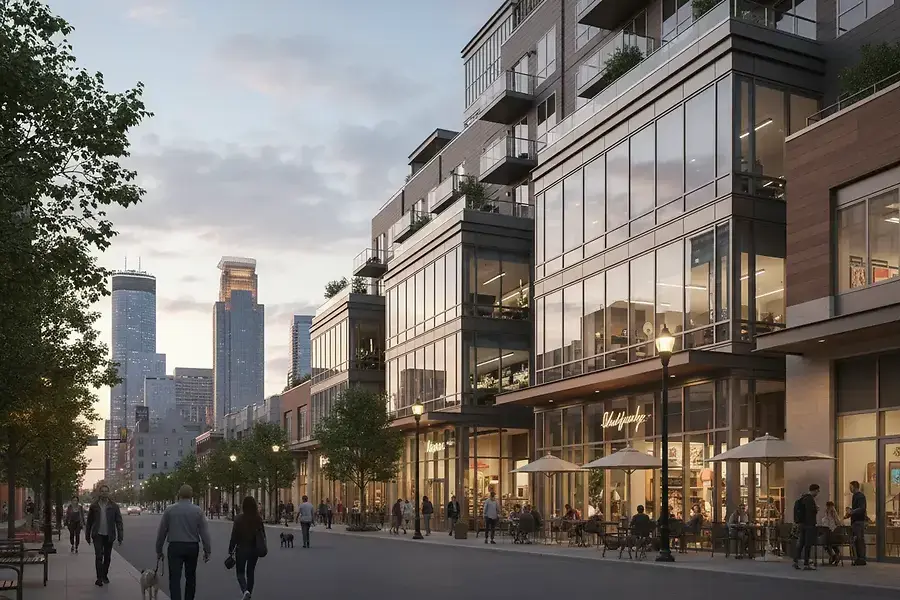
Understanding Mixed-Use Properties: Benefits for Investors and Owners
Mixed-use properties represent one of the most dynamic segments of the real estate market today. These developments combine residential, commercial, and sometimes office spaces within a single property or development complex. For investors and property owners, the appeal is clear: diversified income streams, reduced vacancy risk, and enhanced property value appreciation.
Key Advantages of Mixed-Use Development
Mixed-use properties offer several compelling benefits that make them attractive to savvy real estate professionals:
- Multiple Revenue Streams: By combining residential units with retail, restaurants, or office spaces, property owners can generate income from various tenant types, reducing dependency on a single market segment.
- Increased Foot Traffic: Commercial tenants and retail spaces drive consistent visitor flow, which benefits all property components and creates a vibrant community atmosphere.
- Higher Property Values: Mixed-use developments typically command premium valuations due to their versatility and income-generating potential.
- Reduced Vacancy Risk: When one segment experiences a downturn, other components can offset losses, providing greater financial stability.
- Community Appeal: These properties create walkable neighborhoods that attract residents and businesses seeking convenience and connectivity.
The Twin Cities market has embraced this model enthusiastically, with developers recognizing the demand for integrated living and working spaces.
Market Trends: Growth Areas for Commercial-Residential Development in the Twin Cities
Minneapolis and Saint Paul are experiencing a renaissance in mixed-use development, with several neighborhoods emerging as prime investment opportunities.
Emerging Neighborhoods and Districts
The Twin Cities landscape is shifting as developers focus on strategic locations that offer growth potential and community appeal:
- Downtown Revitalization: Both Minneapolis and Saint Paul are investing heavily in downtown corridors, transforming historic buildings into mixed-use spaces that blend heritage with modern amenities.
- Transit-Oriented Development: Properties near light rail stations and bus corridors are experiencing significant growth, as residents increasingly value walkability and public transportation access.
- Neighborhood Commercial Hubs: Secondary neighborhoods are developing their own mixed-use centers, creating local gathering spaces that reduce commute times and enhance quality of life.
- Riverfront Properties: The Mississippi River corridors in both cities are becoming increasingly attractive for mixed-use development, offering scenic views and recreational opportunities.
Market Drivers and Opportunities
Several factors are fueling the mixed-use development boom in the Twin Cities. Population growth, particularly among younger professionals and empty nesters, is driving demand for urban living spaces. Additionally, the shift toward remote and hybrid work arrangements has created opportunities for flexible office spaces integrated with residential communities. Retailers are also seeking locations with built-in residential populations, making mixed-use properties ideal for their expansion strategies.
The convergence of residential demand, commercial interest, and municipal support creates an unprecedented opportunity for mixed-use development in the Twin Cities.
Navigating Zoning and Regulations for Multi-Purpose Properties
While mixed-use development offers tremendous potential, navigating the regulatory landscape is crucial for success.
Understanding Local Zoning Requirements
Minneapolis and Saint Paul have different zoning frameworks that impact mixed-use development. Both cities have been updating their zoning codes to encourage mixed-use projects, but understanding local requirements is essential:
- Zoning Classification: Ensure your property falls within zones that permit mixed-use development. Many cities have specific mixed-use zones designed to facilitate these projects.
- Density Requirements: Different zones have varying density limits that affect how many residential units or commercial spaces you can include.
- Parking Regulations: Mixed-use properties often have reduced parking requirements compared to single-use developments, but understanding local standards is critical.
- Setback and Height Restrictions: These regulations vary by neighborhood and can significantly impact project design and feasibility.
Working with Municipal Authorities
Successful mixed-use developers maintain strong relationships with city planning departments and local officials. Engaging early in the planning process can help identify potential regulatory challenges and opportunities for variances or incentives. Many Twin Cities municipalities offer tax increment financing (TIF) districts and other incentive programs specifically designed to encourage mixed-use development in targeted areas.
Additionally, understanding environmental regulations, building codes, and accessibility requirements ensures your project meets all compliance standards while maximizing profitability.
Positioning Yourself as a Mixed-Use Real Estate Expert
As the mixed-use development sector grows, establishing yourself as a knowledgeable expert can open significant business opportunities.
Building Your Expertise
To become a trusted authority in mixed-use real estate, consider these strategies:
- Continuous Education: Stay current with market trends, zoning changes, and development best practices through industry publications, webinars, and professional organizations.
- Network Development: Build relationships with developers, architects, municipal officials, and other industry professionals who can provide insights and referral opportunities.
- Case Study Development: Document successful projects in your portfolio, highlighting challenges overcome and results achieved. These serve as powerful marketing tools.
- Thought Leadership: Share your expertise through articles, speaking engagements, and social media content that demonstrates your knowledge and perspective.
- Specialization: Consider focusing on specific property types or neighborhoods within the Twin Cities to develop deep, specialized knowledge.
Marketing Your Mixed-Use Expertise
Position yourself as the go-to resource for mixed-use development in the Twin Cities. Create content that addresses common questions and challenges potential clients face. Highlight your understanding of local market dynamics, regulatory requirements, and investment potential. By demonstrating genuine expertise and a track record of success, you'll attract quality clients and opportunities.
The mixed-use development sector in Minneapolis and Saint Paul represents a significant opportunity for investors, developers, and real estate professionals. By understanding the benefits, recognizing market trends, navigating regulations effectively, and positioning yourself as an expert, you can capitalize on this growing market segment and build a thriving real estate business.


