Mixed-Use Development Opportunities in New England's Coastal Markets
Discover how residential and commercial properties are reshaping neighborhoods across Rhode Island and Massachusetts coastal communities.

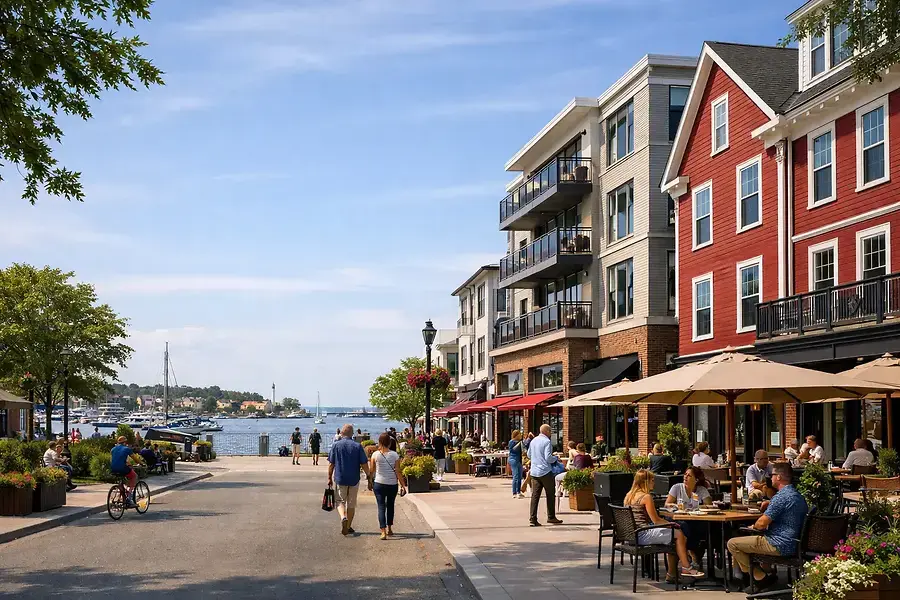
The Rise of Mixed-Use Properties in New England Coastal Towns
New England's coastal communities are experiencing a remarkable transformation. The traditional separation between residential and commercial spaces is giving way to vibrant mixed-use developments that blend living, working, and entertainment in dynamic neighborhoods. This shift represents one of the most compelling investment opportunities in the region's real estate market.
Mixed-use properties combine residential apartments or condominiums with ground-floor retail, restaurants, offices, or entertainment venues. This integration creates walkable communities where residents can live, work, and play without relying heavily on automobiles. For investors and developers, these properties offer diversified income streams and enhanced property values that outpace traditional single-use developments.
The appeal extends beyond economics. Younger professionals, empty nesters, and families increasingly prefer neighborhoods with convenient access to amenities, cultural attractions, and employment opportunities. New England's coastal towns, with their historic charm and natural beauty, are perfectly positioned to meet this demand.
Key Markets Driving Growth: From Newport to Fall River
Newport, Rhode Island: Premium Waterfront Development
Newport stands at the forefront of mixed-use coastal development. The city's historic architecture, yacht culture, and tourism draw both residents and visitors year-round. Recent projects have transformed waterfront areas into sophisticated mixed-use complexes featuring luxury apartments above boutique retail and fine dining establishments.
The Newport waterfront corridor has become particularly attractive for developers. Properties here command premium prices, and the combination of residential units with high-end retail creates strong cash flows. The city's established tourism infrastructure ensures consistent foot traffic for commercial tenants.
Providence, Rhode Island: Urban Renaissance
Providence's downtown has undergone a dramatic revitalization. The city's investment in public spaces, cultural institutions, and infrastructure has attracted mixed-use developers seeking urban locations with lower acquisition costs than Boston or New York. The combination of arts venues, restaurants, and residential lofts has created a thriving neighborhood ecosystem.
Mixed-use developments in Providence benefit from strong demand for urban living, proximity to major employers, and the city's growing reputation as a cultural destination. Investors have found that residential units in these developments maintain high occupancy rates while commercial spaces attract quality tenants.
Fall River, Massachusetts: Emerging Opportunity
Fall River represents an emerging mixed-use market with significant upside potential. The city's waterfront location, historic mill buildings, and lower property costs compared to established coastal markets create opportunities for developers to create distinctive mixed-use properties. Recent adaptive reuse projects have converted historic industrial buildings into residential lofts with ground-floor retail and office space.
Early investors in Fall River's mixed-use market have positioned themselves ahead of broader market recognition. As the city continues its revitalization efforts, property values and rental rates are expected to appreciate significantly.
Additional Growth Markets
Beyond these primary markets, coastal communities throughout Massachusetts and Rhode Island show strong mixed-use development potential:
- New Bedford, Massachusetts: Historic waterfront with emerging cultural scene and adaptive reuse opportunities
- Warwick, Rhode Island: Growing suburban market with strong retail demand and residential appeal
- Westerly, Rhode Island: Charming beach town attracting young professionals and retirees seeking walkable communities
- Gloucester, Massachusetts: Picturesque coastal setting with tourism appeal and residential demand
Investment Advantages: Residential-Commercial Portfolio Diversification Strategies
Revenue Diversification and Risk Mitigation
Mixed-use properties provide natural diversification. When residential and commercial spaces are combined, investors reduce dependency on any single tenant or market segment. If retail leases face pressure, residential income may remain stable, and vice versa. This diversification creates more resilient investments that weather market cycles more effectively than single-use properties.
Enhanced Property Valuations
Mixed-use developments typically command higher per-square-foot valuations than comparable single-use properties. The combination of income streams, walkability, and community appeal justifies premium pricing. Appraisers recognize the value of integrated properties, and lenders view them favorably due to their diversified income sources.
Operational Synergies
Mixed-use properties create operational efficiencies. A single management team oversees all aspects of the property, reducing administrative overhead. Shared amenities like parking, security, and maintenance infrastructure serve both residential and commercial tenants, lowering per-unit costs.
Additionally, residential tenants support commercial businesses through foot traffic and patronage, while commercial amenities enhance residential appeal and justify higher rents.
Adaptive Reuse Opportunities
New England's coastal towns contain numerous historic buildings—former mills, warehouses, and commercial structures—that are ideal for mixed-use conversion. Adaptive reuse projects often qualify for tax credits and grants, reducing development costs. These distinctive properties command premium rents and attract quality tenants seeking character and authenticity.
Long-Term Appreciation Potential
Mixed-use developments in revitalizing coastal communities offer significant long-term appreciation. As neighborhoods mature and become established destinations, property values typically increase substantially. Early investors benefit most from this appreciation as communities transition from emerging to established markets.
Financing Advantages
Lenders favor mixed-use properties because diversified income streams reduce risk. Many financial institutions offer favorable terms for mixed-use developments, including lower interest rates and higher loan-to-value ratios. This financing advantage improves project economics and returns on investment.
Positioning Your Clients in High-Growth Coastal Communities
For real estate professionals and investors, the time to act in New England's coastal mixed-use market is now. Several factors support this timing:
- Strong demographic trends favoring walkable, mixed-use communities
- Limited supply of quality mixed-use properties in established markets
- Emerging opportunities in secondary markets before broader recognition
- Favorable financing conditions for diversified properties
- Increasing consumer preference for urban and urban-adjacent living
Successful positioning requires understanding local market dynamics, identifying properties with strong mixed-use potential, and recognizing neighborhoods positioned for growth. Properties near public transportation, cultural institutions, and employment centers offer the strongest fundamentals.
Investors should also consider the regulatory environment. Communities embracing mixed-use development through zoning reforms and streamlined permitting processes offer faster project timelines and lower development risk.
"Mixed-use development represents the future of real estate in New England's coastal markets. Properties that successfully integrate residential and commercial uses create communities people want to live in and businesses want to operate in—a powerful combination for long-term value creation."
Conclusion: The Future of New England Coastal Real Estate
Mixed-use development opportunities in New England's coastal markets represent a compelling investment thesis. From established markets like Newport to emerging opportunities in Fall River, the region offers diverse entry points for investors seeking exposure to this growing sector.
The combination of strong demographic trends, limited supply, diversified income potential, and community revitalization creates an ideal environment for mixed-use development. Properties that successfully blend residential, commercial, and community spaces will define the next generation of New England's coastal neighborhoods.
For investors and professionals ready to capitalize on this opportunity, the coastal communities of Rhode Island and Massachusetts offer the potential for substantial returns while contributing to the creation of vibrant, walkable neighborhoods that enhance quality of life for residents and visitors alike.