Mixed-Use Development Opportunities in Southern California Coastal Markets
Discover how residential-commercial hybrid properties are transforming investment potential in Long Beach and Huntington Beach.

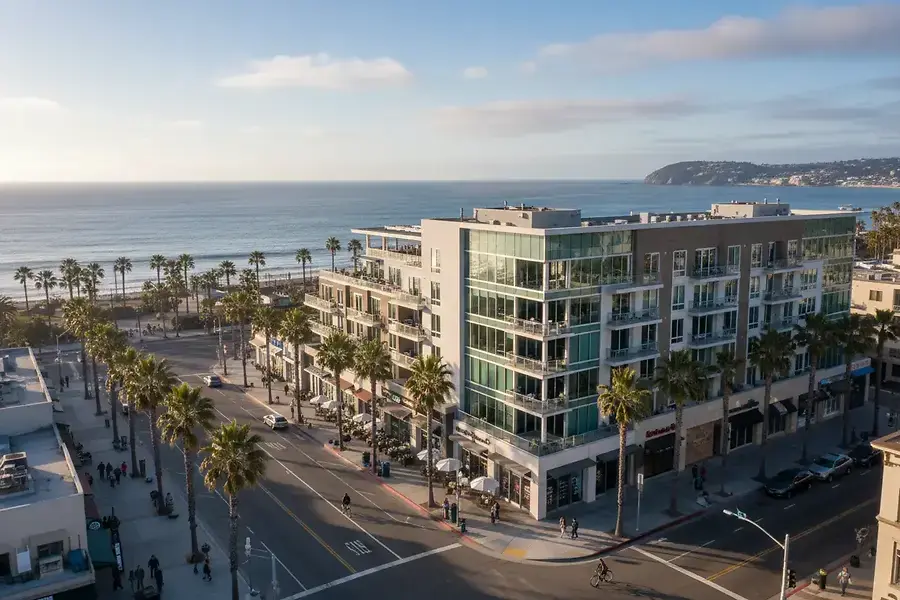
The Rise of Mixed-Use Properties in Coastal Real Estate
The Southern California coastal real estate market is experiencing a significant transformation. Mixed-use properties—developments that combine residential units with commercial spaces—are becoming increasingly attractive to investors and developers alike. This shift reflects changing consumer preferences and the growing demand for walkable, vibrant communities where people can live, work, and play in the same location.
Long Beach and Huntington Beach have emerged as prime markets for mixed-use development. These coastal cities offer unique advantages: strong population growth, limited available land, high property values, and a demographic that actively seeks convenience and community. The convergence of these factors has created an ideal environment for hybrid properties that maximize land utilization and generate multiple revenue streams.
Why are coastal markets leading this trend? The answer lies in the fundamental economics of real estate. In densely populated coastal areas where land is scarce and expensive, developers and investors are increasingly looking for ways to maximize returns on their investments. Mixed-use properties accomplish this by combining residential rental income with commercial lease revenue, creating a more resilient and profitable investment model.
Understanding Residential-Commercial Hybrid Properties and Their Market Appeal
What Defines a Mixed-Use Property?
Mixed-use properties come in various configurations, but they all share a common characteristic: they integrate residential and commercial components within a single development or building. Common examples include:
- Ground-floor retail with residential units above – A classic model where storefronts occupy the street level while apartments or condominiums occupy upper floors
- Office spaces with residential lofts – Professional workspaces combined with modern living quarters, ideal for urban professionals
- Hotel-residential hybrids – Short-term hotel accommodations paired with long-term residential units
- Lifestyle centers with apartments – Comprehensive developments featuring shopping, dining, entertainment, and residential components
Market Appeal and Consumer Demand
The appeal of mixed-use properties extends beyond investors to the end users. Modern consumers, particularly younger professionals and empty-nesters, increasingly value walkability, convenience, and community. Mixed-use developments deliver on all three fronts.
In Long Beach and Huntington Beach, residents appreciate the ability to access restaurants, shops, and services without requiring a car. This lifestyle preference has proven resilient and continues to drive demand. Property owners benefit from this demand through consistent occupancy rates and the ability to command premium rents for both residential and commercial spaces.
The synergy effect is another key factor in the market appeal. When residential tenants live above or adjacent to commercial spaces, they become natural customers for those businesses. This creates a self-sustaining ecosystem that benefits all stakeholders—residents enjoy convenience, businesses enjoy foot traffic, and property owners enjoy stable, diversified income.
Investment Advantages and Revenue Potential for Property Owners
Diversified Income Streams
Perhaps the most compelling advantage of mixed-use properties is the ability to generate revenue from multiple sources. Rather than relying solely on residential rent or commercial leases, property owners can balance their income across both segments. This diversification provides several benefits:
- Reduced vacancy risk – If commercial tenants move out, residential income continues. If residential units sit vacant, commercial revenue provides a cushion
- Higher overall returns – The combined rental income from both segments typically exceeds what a single-use property would generate
- Flexibility in market cycles – During economic downturns, one segment may outperform the other, providing stability
Land Utilization and Value Appreciation
In coastal markets where land is limited and expensive, mixed-use development maximizes the value of each square foot. By building vertically and utilizing space efficiently, property owners can generate significantly more revenue per acre than traditional single-use developments.
This efficient use of land also positions mixed-use properties favorably for long-term appreciation. As coastal cities continue to grow and land becomes scarcer, properties that maximize utilization become increasingly valuable. Investors who acquire mixed-use properties today are positioning themselves to benefit from this appreciation trend.
Tenant Quality and Stability
Mixed-use properties in desirable coastal locations tend to attract higher-quality tenants. Commercial tenants are often established businesses seeking premium locations, while residential tenants are typically professionals willing to pay for convenience and lifestyle benefits. This tenant profile generally translates to:
- More reliable rent payments
- Longer lease terms
- Lower turnover rates
- Reduced maintenance issues
Operational Synergies
Managing a mixed-use property offers operational advantages that single-use properties cannot match. A single management team can oversee both residential and commercial components, reducing administrative overhead. Shared amenities like parking, security, and maintenance facilities serve both segments, improving cost efficiency.
The most successful mixed-use properties in Southern California's coastal markets are those that create genuine community value while delivering strong financial returns to their owners.
Positioning Yourself in the Evolving Coastal Market
For investors considering entry into Southern California's coastal real estate market, mixed-use properties represent a compelling opportunity. The combination of strong demographic trends, limited land availability, and proven financial performance makes these properties attractive for both seasoned investors and those new to real estate.
Key considerations for potential investors include:
- Location selection – Focus on areas with strong walkability scores, good public transportation, and established commercial districts
- Market research – Understand local zoning regulations, development pipelines, and demographic trends
- Financial analysis – Carefully model both residential and commercial revenue streams to ensure strong returns
- Property management – Ensure you have experienced management capable of handling both residential and commercial tenants
The mixed-use development trend in Southern California's coastal markets is not a passing fad—it reflects fundamental shifts in how people want to live and work. As these preferences continue to evolve, mixed-use properties will likely become even more valuable and sought-after.
Whether you're an experienced real estate investor or exploring your first investment opportunity, the coastal markets of Long Beach and Huntington Beach offer compelling mixed-use development opportunities. By understanding the market dynamics, recognizing the investment advantages, and carefully selecting properties that align with consumer preferences, you can position yourself to benefit from this transformative trend in Southern California real estate.


