Mixed-Use Development Opportunities in the Dallas-Fort Worth Suburbs
Explore how residential and commercial hybrid properties are transforming communities from Denton to Lantana.

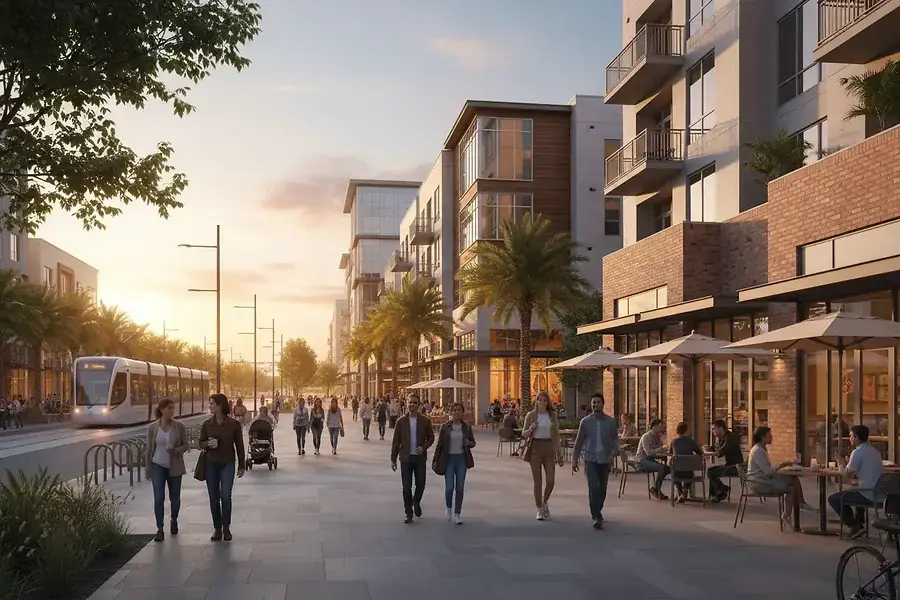
The Rise of Mixed-Use Properties in North Texas
The Dallas-Fort Worth metropolitan area is experiencing a transformative shift in how communities are developed and how people choose to live and work. Mixed-use properties—developments that combine residential, commercial, and sometimes office spaces in a single location—are becoming increasingly popular across North Texas suburbs. From Denton to Lantana, these hybrid properties are reshaping the real estate landscape and creating unprecedented opportunities for investors and real estate professionals.
This trend reflects a broader change in consumer preferences. Modern residents increasingly seek convenience, walkability, and the ability to live, work, and shop in close proximity. Developers are responding to this demand by creating vibrant communities that blend residential apartments or condominiums with retail spaces, restaurants, offices, and entertainment venues. The result is a more dynamic, economically diverse neighborhood that appeals to a wide range of demographics.
Understanding Residential/Commercial Properties and Their Market Advantages
What Are Mixed-Use Properties?
Mixed-use properties are real estate developments that integrate multiple uses within a single project or building. Typically, these include:
- Residential components: Apartments, condominiums, or townhomes
- Commercial spaces: Retail shops, restaurants, and service businesses
- Office space: Professional offices and corporate headquarters
- Entertainment venues: Theaters, gyms, or cultural spaces
Key Market Advantages
For Investors: Mixed-use properties offer diversified revenue streams. Rather than relying on a single tenant type, property owners benefit from multiple income sources. If residential occupancy dips, commercial tenants may remain stable, and vice versa. This diversification reduces risk and can lead to more consistent returns.
For Developers: These projects maximize land utilization and create more efficient use of infrastructure. By combining uses, developers can justify higher-density projects and often receive favorable zoning considerations or tax incentives from municipalities eager to revitalize areas.
For Communities: Mixed-use developments generate foot traffic, support local businesses, and create vibrant public spaces. They reduce the need for long commutes, decrease traffic congestion, and foster a sense of community that traditional single-use developments often lack.
For Residents: Living in a mixed-use community means having shops, restaurants, and services within walking distance. This lifestyle appeals particularly to young professionals, empty nesters, and anyone seeking a more urban experience without relocating to downtown Dallas or Fort Worth.
Top Mixed-Use Markets Across Your Service Area
Denton
Denton has emerged as a leader in mixed-use development, particularly around the downtown area and near the University of North Texas campus. The city's commitment to walkable, vibrant neighborhoods has attracted significant investment. Properties here appeal to students, young professionals, and families seeking an authentic community atmosphere with excellent schools and cultural amenities.
Lantana
Lantana represents one of the most ambitious mixed-use developments in the region. This master-planned community combines luxury residential options with upscale retail, dining, and office space. The development's focus on high-end finishes and premium positioning makes it attractive to affluent buyers and premium-tier commercial tenants.
Frisco and Plano Suburbs
The northern suburbs of Dallas continue to see explosive growth in mixed-use projects. Areas like Legacy West and other developments offer corporate office space alongside residential communities, creating live-work environments that appeal to tech companies and their employees.
Fort Worth Neighborhoods
Fort Worth's cultural district and surrounding neighborhoods are increasingly embracing mixed-use development. Projects that blend lofts and apartments with galleries, restaurants, and entertainment venues are revitalizing historic areas and attracting creative professionals and cultural enthusiasts.
Emerging Opportunities
Smaller communities throughout the DFW suburbs are beginning to recognize the potential of mixed-use development. Areas experiencing population growth and infrastructure improvements present excellent opportunities for forward-thinking investors and developers who can identify emerging neighborhoods before they reach peak popularity.
Conclusion: Positioning Yourself as the Mixed-Use Real Estate Expert
The mixed-use real estate market in the Dallas-Fort Worth suburbs represents one of the most dynamic and growing segments of the regional economy. As these developments continue to proliferate, real estate professionals who understand the nuances of mixed-use properties—from financing and zoning considerations to tenant mix optimization and community impact—will be best positioned to capitalize on this trend.
To establish yourself as a mixed-use expert, consider:
- Developing specialized knowledge about zoning regulations and development incentives in your target markets
- Building relationships with developers, property managers, and commercial tenants
- Understanding the demographic trends driving demand for walkable, mixed-use communities
- Staying informed about infrastructure projects and municipal planning initiatives that support mixed-use development
- Networking with investors interested in diversified real estate portfolios
The transformation of Dallas-Fort Worth suburbs through mixed-use development is not a passing trend—it reflects fundamental changes in how people want to live, work, and build community. By positioning yourself as an expert in this growing market segment, you'll be well-equipped to serve clients seeking to invest in or develop the next generation of North Texas communities.


