Mixed-Use Development Opportunities in the Dallas Metro Area
Discover how commercial-residential hybrid properties are reshaping investment strategies across Carrollton, Frisco, Plano, and beyond.

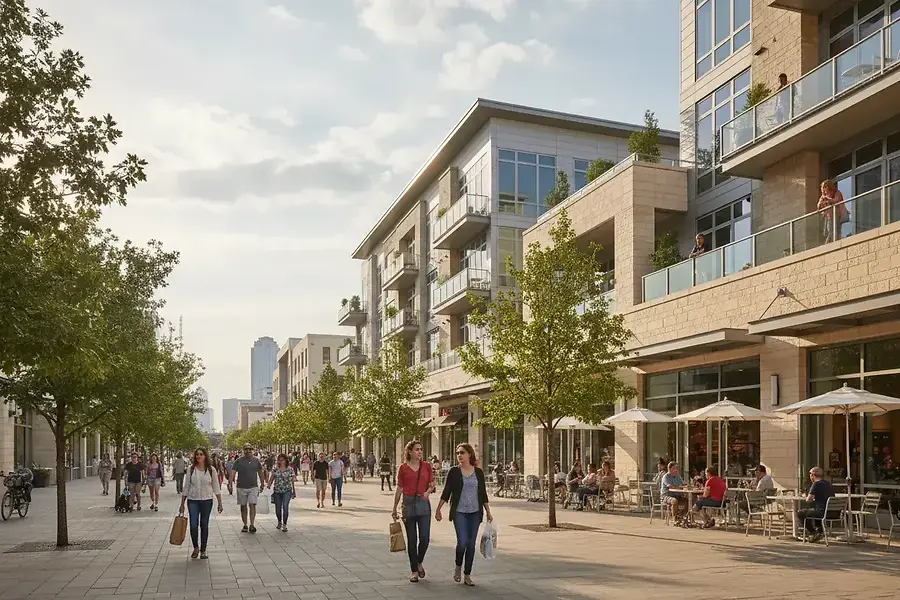
The Rise of Mixed-Use Properties in North Texas
The Dallas metropolitan area is experiencing a transformative shift in real estate investment. Mixed-use properties—developments that seamlessly blend residential, commercial, and retail spaces—are no longer niche investments. They've become mainstream opportunities that attract both seasoned investors and newcomers to the market.
North Texas has positioned itself as a prime location for these hybrid developments. The region's rapid population growth, combined with changing consumer preferences for walkable communities, has created an ideal environment for mixed-use projects. From downtown revitalization efforts to suburban town centers, the Dallas metro area is witnessing unprecedented demand for properties that serve multiple purposes.
The convergence of residential convenience and commercial viability is reshaping how investors approach real estate strategy. Rather than choosing between residential or commercial investments, savvy investors are discovering the unique advantages of properties that offer both.
Market Demand: Why Investors Are Choosing Residential/Commercial Hybrid Properties
Diversified Revenue Streams
One of the most compelling reasons investors are gravitating toward mixed-use properties is the ability to generate multiple income sources from a single asset. Residential units provide stable, long-term rental income, while ground-floor retail or office spaces offer higher per-square-foot returns. This diversification reduces risk and maximizes profitability.
Meeting Evolving Consumer Preferences
Today's renters and consumers increasingly value convenience and community. They want to live, work, and shop in the same neighborhood without relying on cars. Mixed-use developments fulfill this desire, creating vibrant neighborhoods where residents can access amenities within walking distance.
This shift in consumer behavior directly impacts property values and occupancy rates. Properties that offer this lifestyle appeal command premium rents and maintain higher occupancy rates compared to single-use developments.
Resilience and Adaptability
The commercial real estate landscape has become more unpredictable. Mixed-use properties provide a buffer against market volatility. If retail spaces face challenges, residential income remains stable. If office demand fluctuates, ground-floor dining and entertainment venues can adapt quickly. This flexibility is invaluable in today's dynamic market.
Tax Benefits and Financing Advantages
Mixed-use properties often qualify for unique tax incentives and financing programs. Many North Texas municipalities offer tax abatements for mixed-use developments that revitalize neighborhoods. Additionally, lenders view these properties favorably due to their diversified income potential, often resulting in better financing terms.
Top Mixed-Use Markets: Comparing Opportunities Across Dallas Metro Communities
Frisco: The Premium Growth Market
Frisco has emerged as the crown jewel of North Texas mixed-use development. With a booming population and strong corporate presence, Frisco offers premium opportunities. Projects in the Legacy area and along the Dallas North Tollway corridor combine luxury residential units with high-end retail and office spaces.
Key advantages:
- Strong population growth and demographic appeal
- High average household incomes
- Excellent schools and quality of life factors
- Robust corporate headquarters presence
Plano: The Balanced Opportunity
Plano represents a more balanced investment opportunity. The city's downtown revitalization initiatives have created excellent mixed-use development zones. Properties here offer strong fundamentals with slightly lower entry costs compared to Frisco, making them attractive for investors seeking value.
The downtown Plano area, in particular, is experiencing significant transformation with new residential lofts, restaurants, and entertainment venues creating a vibrant urban core.
Carrollton: The Emerging Market
Carrollton offers emerging opportunities for investors seeking growth potential at more accessible price points. The city's strategic location between Dallas and Frisco, combined with ongoing infrastructure improvements, positions it as an up-and-coming mixed-use destination.
Carrollton's advantages include:
- Lower entry costs than neighboring premium markets
- Strong population growth trajectory
- Improving retail and dining options
- Excellent transportation connectivity
Other Notable Markets
Beyond these three communities, areas like Addison, Irving, and Lewisville are also developing mixed-use opportunities. Each market has unique characteristics that appeal to different investor profiles and risk tolerances.
Getting Started: How to Identify and Evaluate Mixed-Use Investment Properties
Understand Your Investment Goals
Before evaluating specific properties, clarify your investment objectives. Are you seeking immediate cash flow or long-term appreciation? Do you prefer hands-on management or passive investment? Your answers will guide which mixed-use properties align with your strategy.
Analyze Market Fundamentals
Key metrics to evaluate include:
- Population growth rates in the target community
- Employment trends and major employers
- Retail occupancy rates and consumer spending patterns
- Residential demand and rental rate trends
- Development pipeline and future competition
Evaluate Property-Specific Factors
Once you've identified a promising market, examine individual properties carefully. Consider the tenant mix quality, lease terms, and occupancy rates. Strong anchor tenants provide stability, while diverse retail offerings create resilience.
Review the physical condition of the property, including building systems, parking facilities, and common areas. Mixed-use properties require more sophisticated management, so operational efficiency is crucial.
Assess Financial Performance
Examine the property's financial statements thoroughly. Calculate key metrics including Net Operating Income (NOI), Cap Rate, and Cash-on-Cash Return. Compare these figures against market benchmarks to ensure the property offers competitive returns.
Don't overlook the importance of understanding lease structures. Mixed-use properties often have varied lease terms—some residential units on annual leases, retail spaces on longer triple-net leases, and office space on intermediate terms. This complexity requires careful analysis.
Consider Management and Operations
Mixed-use properties demand sophisticated property management. Evaluate whether the current management team has experience handling diverse tenant bases and the operational complexities these properties entail. Poor management can significantly impact returns.
The success of a mixed-use property depends not just on location and market conditions, but on the quality of day-to-day operations and tenant relations.
Future-Proof Your Investment
Finally, consider the property's adaptability. Can retail spaces be converted to office or residential if market conditions shift? Are there opportunities for expansion or renovation? Properties with flexibility built into their design are more resilient to market changes.
Conclusion
Mixed-use development opportunities across the Dallas metro area represent a compelling investment thesis. Whether you're drawn to Frisco's premium growth, Plano's balanced fundamentals, or Carrollton's emerging potential, the region offers diverse options for investors seeking diversified income streams and exposure to North Texas's continued expansion.
By understanding market dynamics, evaluating properties systematically, and aligning investments with your goals, you can capitalize on this transformative trend in real estate. The future of Dallas metro real estate is mixed-use, and the time to invest is now.


