Mixed-Use Development Opportunities in the Lowcountry and Upstate
How residential-commercial hybrid properties are reshaping investment strategies across South Carolina's fastest-growing markets.

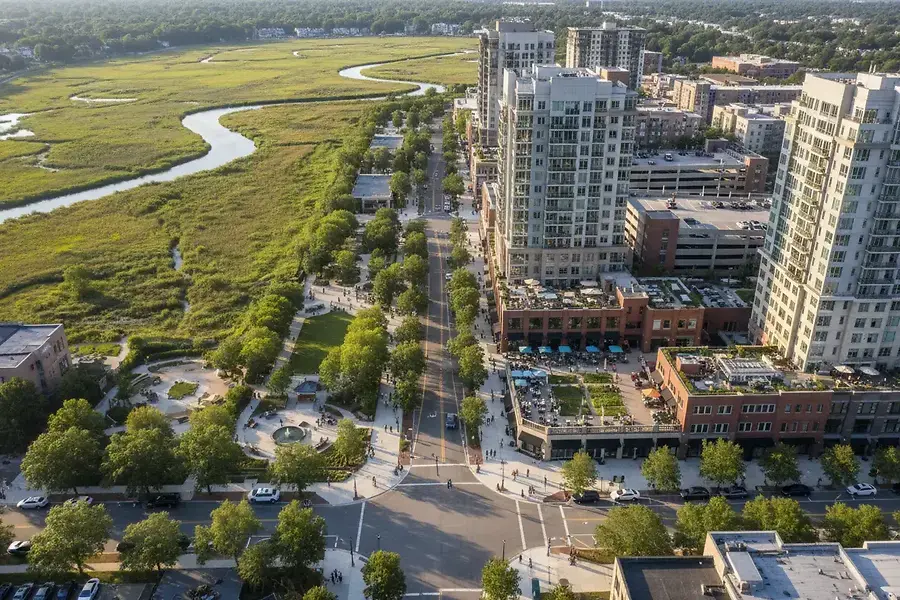
The Rise of Residential-Commercial Hybrid Properties
South Carolina's real estate market is experiencing a transformative shift. Gone are the days when residential and commercial properties operated in separate silos. Today, mixed-use developments are becoming the cornerstone of modern urban planning and investment strategy across the state.
Mixed-use properties combine residential units, retail spaces, offices, and entertainment venues under one roof or within a cohesive development. This hybrid approach addresses a fundamental change in how people want to live and work. Residents increasingly seek walkable neighborhoods where they can live, shop, dine, and conduct business without relying solely on automobiles.
The appeal extends beyond lifestyle preferences. For investors and developers, mixed-use properties offer diversified revenue streams, reduced vacancy risks, and enhanced property values. As South Carolina's population continues to grow, particularly in the Lowcountry and Upstate regions, the demand for these innovative developments has never been stronger.
Market Analysis: Top Mixed-Use Locations from Charleston to Greenville
Charleston and the Lowcountry
Charleston remains a beacon for mixed-use development. The historic downtown area has seen remarkable revitalization through projects that blend historic preservation with modern amenities. Properties in neighborhoods like King Street and the Warehouse District showcase how commercial ground floors support thriving residential communities above.
Beyond downtown, emerging markets in Mount Pleasant, Summerville, and Beaufort are attracting significant investment. These areas offer more affordable entry points while maintaining strong demand for residential-commercial combinations. Waterfront properties, in particular, command premium prices due to their unique appeal and limited availability.
Greenville's Explosive Growth
Greenville has emerged as one of the Southeast's fastest-growing cities, and mixed-use development is driving much of this expansion. The West End and Downtown Greenville areas have become hotspots for developers seeking to capitalize on the city's momentum.
The success of projects in these neighborhoods demonstrates strong market fundamentals:
- High occupancy rates for both residential and commercial spaces
- Strong rental growth and appreciation potential
- Increasing population influx from other states
- Robust job market attracting young professionals
- Walkability and lifestyle amenities driving demand
Secondary Markets with Significant Potential
While Charleston and Greenville dominate headlines, savvy investors are recognizing opportunities in secondary markets. Cities like Columbia, Spartanburg, and Hilton Head Island are experiencing their own mixed-use booms. These markets often offer better value propositions and less competition, making them attractive for developers with longer investment horizons.
Investment Benefits: Why Developers and Investors Are Choosing Blended Properties
Diversified Revenue Streams
The most compelling advantage of mixed-use properties is revenue diversification. Rather than depending on a single tenant type or market segment, property owners benefit from multiple income sources. Residential units provide stable, long-term rental income, while commercial spaces offer higher yields but potentially shorter lease terms.
This balance reduces risk significantly. If residential occupancy dips, strong commercial performance can offset losses. Conversely, if retail struggles, residential income remains steady.
Enhanced Property Values and Appreciation
Mixed-use properties typically command higher per-square-foot valuations than single-use alternatives. The integrated nature of these developments creates synergies that enhance overall property value. Residents benefit from convenient retail and dining options, while businesses gain from foot traffic generated by residential populations.
This virtuous cycle drives appreciation rates that often exceed market averages, particularly in high-growth regions like South Carolina's Lowcountry and Upstate.
Reduced Vacancy Risk
Diversification naturally leads to lower vacancy rates. When one sector experiences softness, others may remain strong. A mixed-use property with 200 residential units, 15,000 square feet of retail, and 20,000 square feet of office space spreads risk across multiple tenant bases and market segments.
Alignment with Urban Planning Trends
Municipal governments increasingly favor mixed-use developments. These projects align with sustainability goals, reduce traffic congestion, and create vibrant communities. Developers who embrace this approach often receive favorable zoning considerations, tax incentives, and expedited permitting processes.
This regulatory tailwind provides additional competitive advantages and can significantly improve project economics.
Appeal to Modern Residents and Tenants
Today's residents and businesses prioritize convenience and community. Mixed-use developments deliver both. Young professionals seek urban living with walkable access to employment and entertainment. Established families appreciate the ability to handle multiple errands without extensive driving. Businesses benefit from customer proximity and employee accessibility.
"The future of real estate is integrated, not segregated. Mixed-use developments aren't just a trend—they're the new standard for how communities are built."
Positioning Yourself in South Carolina's Evolving Real Estate Landscape
For investors and developers looking to capitalize on South Carolina's growth, mixed-use properties represent a compelling opportunity. The state's combination of population growth, economic development, and favorable business climate creates ideal conditions for these projects.
Key Considerations for Success
Success in mixed-use development requires careful attention to several factors:
- Location Selection: Proximity to employment centers, transportation, and amenities is critical
- Market Research: Understanding local demographics and demand patterns ensures appropriate unit and space mix
- Design and Execution: Quality construction and thoughtful design drive tenant satisfaction and retention
- Property Management: Managing diverse tenant bases requires experienced, professional management teams
- Financial Modeling: Accurate projections accounting for multiple revenue streams are essential
The mixed-use development opportunity in South Carolina is not fleeting. As the state continues to attract residents and businesses, demand for integrated properties will only intensify. Whether you're an experienced developer or an investor exploring new opportunities, now is an excellent time to evaluate mixed-use projects in Charleston, Greenville, and emerging secondary markets.
The properties that will define South Carolina's real estate landscape for the next decade are being built today. By understanding market dynamics and positioning strategically, investors and developers can participate in this transformative trend and build lasting wealth in the process.


