Mixed-Use Development Opportunities in the Upstate SC Corridor
Discover how residential and commercial properties are reshaping the future of Greenville, Simpsonville, Travelers Rest, Mauldin, Taylors, and Greer.

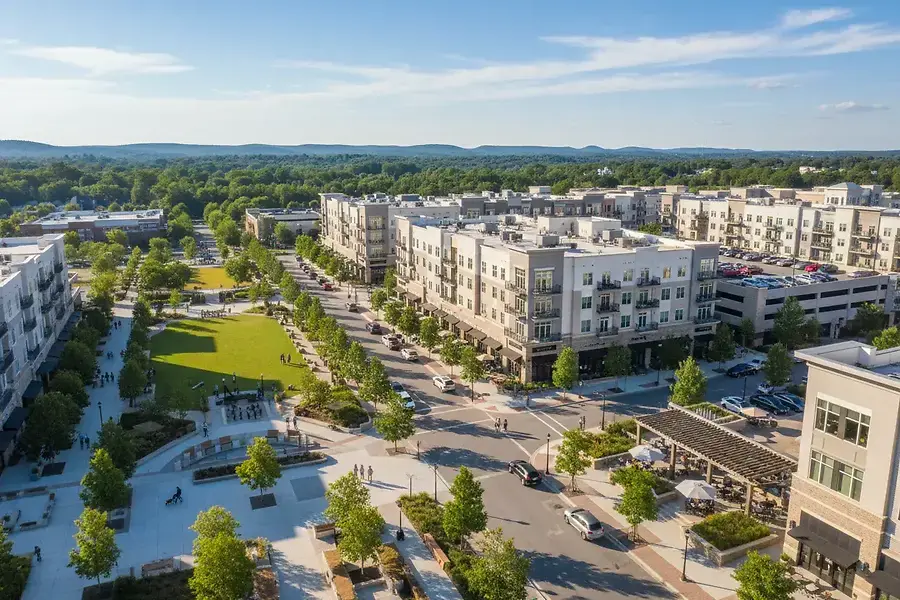
Introduction: The Rise of Mixed-Use Properties in Upstate South Carolina
The Upstate South Carolina corridor is experiencing unprecedented growth, and savvy real estate investors are taking notice. The six-town region encompassing Greenville, Simpsonville, Travelers Rest, Mauldin, Taylors, and Greer is witnessing a transformative shift toward mixed-use development. These properties, which seamlessly blend residential and commercial spaces, are becoming the gold standard for modern urban planning and investment strategy.
Mixed-use developments represent more than just a trend—they reflect a fundamental change in how communities want to live, work, and play. By combining apartments, offices, retail spaces, and dining establishments under one roof or within a cohesive neighborhood, these projects create vibrant, walkable communities that appeal to both residents and businesses.
Why Developers and Investors Are Targeting This Six-Town Region
Strategic Location and Accessibility
The Upstate SC corridor benefits from an ideal geographic position. Located between major metropolitan areas and connected by excellent highway infrastructure, this region offers accessibility without the congestion of larger cities. Greenville serves as the anchor, while Simpsonville, Travelers Rest, Mauldin, Taylors, and Greer provide expanding markets with lower development costs and eager populations.
Population Growth and Demographic Trends
Upstate South Carolina is one of the fastest-growing regions in the Southeast. Young professionals, families, and retirees are relocating to the area in record numbers, drawn by:
- Affordable cost of living compared to other Sunbelt markets
- Strong job market with diverse industries
- Quality of life and outdoor recreation opportunities
- Excellent schools and family-friendly communities
- Mild climate and natural beauty
This demographic influx creates immediate demand for housing, retail, dining, and entertainment options—precisely what mixed-use developments deliver.
Economic Incentives and Business-Friendly Environment
South Carolina offers competitive tax incentives, streamlined permitting processes, and supportive local governments. Municipalities across the six-town region actively encourage development that enhances their communities, making it easier for investors to navigate the approval process and bring projects to market quickly.
Proven Success Stories
Several mixed-use projects have already demonstrated strong returns in the region. These successes have validated the model and attracted additional capital from institutional investors, private equity firms, and real estate development companies seeking exposure to this emerging market.
Residential-Commercial Hybrid Properties: The Smart Investment Strategy
Understanding the Mixed-Use Model
A mixed-use property typically features residential units above or adjacent to ground-floor retail, restaurants, offices, or entertainment venues. This vertical integration creates multiple revenue streams and maximizes land utilization—a critical advantage in an increasingly competitive real estate market.
Revenue Diversification Benefits
Mixed-use developments offer investors unparalleled diversification:
- Residential Income: Steady rental revenue from apartments or condominiums
- Commercial Leasing: Premium rates from retail tenants and office users
- Ground-Floor Activation: High-traffic retail and dining create vibrant streetscapes that attract residents
- Parking Revenue: Additional income from dedicated or shared parking facilities
- Amenity Fees: Charges for common areas, fitness centers, and community spaces
Tenant Retention and Stability
Mixed-use properties benefit from built-in synergies. Residents shop, dine, and work within their own community, creating sticky tenant bases. Commercial tenants benefit from foot traffic generated by residential populations. This interdependence creates stability and reduces vacancy risk compared to single-use properties.
Market Demand and Rental Premiums
Renters and buyers increasingly prefer walkable, mixed-use neighborhoods. Properties in these developments command premium rents and sale prices. The convenience of living, working, and entertaining in one location justifies higher pricing and attracts quality tenants willing to pay for the lifestyle.
Scalability Across the Six-Town Region
The beauty of the mixed-use model is its scalability. From downtown Greenville's urban infill projects to suburban-style developments in Greer and Taylors, the mixed-use framework adapts to different market conditions and community preferences. Investors can replicate successful models across multiple municipalities, building a portfolio of complementary assets.
Long-Term Value Appreciation
Mixed-use developments create community anchors that drive neighborhood appreciation. As these projects mature and surrounding areas develop, property values typically increase significantly. Early investors benefit from both operational cash flow and substantial capital appreciation.
Positioning Yourself as the Mixed-Use Real Estate Expert
Stay Informed on Market Trends
Success in mixed-use real estate requires deep market knowledge. Monitor demographic shifts, employment growth, infrastructure development, and zoning changes across all six municipalities. Understanding local nuances gives you a competitive advantage in identifying emerging opportunities.
Build Strategic Partnerships
Connect with local developers, architects, municipal planners, and fellow investors. These relationships provide early access to opportunities, valuable insights, and collaborative possibilities that can enhance your portfolio.
Understand Financing and Development Costs
Mixed-use projects are more complex than single-use properties. Familiarize yourself with construction financing, permanent financing structures, and the cost implications of mixed-use development. This knowledge helps you evaluate deals accurately and negotiate better terms.
Focus on Location and Walkability
The most successful mixed-use developments prioritize walkability and accessibility. Look for sites near public transportation, major employment centers, and established neighborhoods. Properties that encourage foot traffic and reduce car dependency command premium valuations.
Embrace Community-Centric Design
Modern mixed-use developments succeed by creating genuine communities, not just stacking uses. Prioritize public spaces, gathering areas, and programming that brings residents and visitors together. This community focus drives tenant satisfaction and long-term value creation.
Leverage Technology and Data
Use demographic analysis tools, market research platforms, and financial modeling software to evaluate opportunities rigorously. Data-driven decision-making reduces risk and helps you identify the most promising projects in the Upstate SC corridor.
Conclusion: The Future of Upstate South Carolina Real Estate
The Upstate SC corridor stands at an inflection point. The convergence of population growth, economic opportunity, and changing consumer preferences creates an ideal environment for mixed-use development. Greenville, Simpsonville, Travelers Rest, Mauldin, Taylors, and Greer are no longer overlooked markets—they're emerging as premier destinations for sophisticated real estate investors.
Mixed-use properties represent the future of real estate in this region. By combining residential, commercial, and community-focused elements, these developments create resilient, profitable assets that generate returns through multiple channels. Whether you're an experienced investor seeking new markets or an emerging professional building your expertise, the Upstate SC corridor offers compelling opportunities.
The time to position yourself as a mixed-use real estate expert in this region is now. Those who understand the market dynamics, embrace the mixed-use model, and execute strategically will capture significant value as the Upstate SC corridor continues its remarkable transformation.


