Mixed-Use Development Opportunities in Wendell and Wilmington
Discover how commercial and residential properties are creating investment potential in North Carolina's fastest-growing markets.

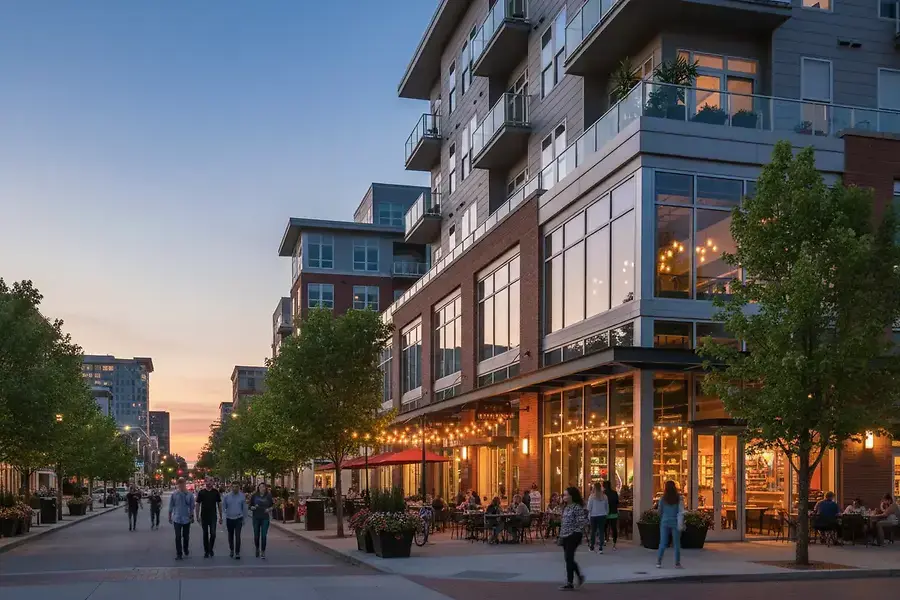
The Rise of Mixed-Use Markets in North Carolina
North Carolina's real estate landscape is undergoing a remarkable transformation. The state's fastest-growing markets are no longer defined by single-purpose developments. Instead, mixed-use properties—combining residential, commercial, and entertainment spaces—are reshaping how communities develop and how investors build wealth.
This shift reflects broader economic trends. Millennials and Gen Z professionals increasingly prefer walkable neighborhoods with convenient access to shopping, dining, and living spaces. Meanwhile, businesses recognize the value of locating near residential populations. The result? A perfect storm of opportunity for investors who understand this emerging market dynamic.
Wendell and Wilmington stand at the forefront of this revolution. Both communities are experiencing rapid population growth, rising property values, and increased commercial interest. For investors seeking exposure to North Carolina's hottest markets, these two cities offer distinct but equally compelling opportunities.
Commercial-Residential Hybrid Properties: What Savvy Investors Need to Know
Understanding the Mixed-Use Model
Mixed-use developments integrate multiple property types within a single project or building. A typical example might feature ground-floor retail or office space with residential apartments above. Some developments include hotels, entertainment venues, or wellness facilities alongside residential and commercial components.
The appeal is straightforward: diversified revenue streams and reduced vacancy risk. When one sector faces headwinds, others may thrive. A recession might pressure retail tenants, but residential demand could remain stable. This diversification creates more resilient investments.
Key Benefits for Investors
- Multiple Income Streams: Collect rent from residential tenants, commercial leases, and ancillary services simultaneously
- Higher Property Values: Mixed-use properties typically command premium valuations compared to single-use alternatives
- Reduced Vacancy Risk: Diverse tenant bases mean fewer periods of complete occupancy loss
- Community Appeal: These developments attract quality tenants seeking convenience and lifestyle integration
- Development Potential: Adaptive reuse of existing structures can yield significant returns with lower acquisition costs
Challenges to Consider
Mixed-use developments aren't without complexity. Zoning regulations, financing requirements, and management coordination demand expertise. Properties may require specialized insurance and more sophisticated property management. Investors must also navigate varying lease terms across different tenant types and ensure adequate parking, utilities, and amenities for diverse users.
Wendell vs. Wilmington: Location-Specific Development Strategies and Returns
Wendell: The Suburban Growth Engine
Wendell, located in Wake County near Raleigh, represents the suburban mixed-use opportunity. The town is experiencing explosive growth driven by proximity to Research Triangle employment centers and affordable land costs relative to Raleigh proper.
Development Strategy: Wendell's mixed-use opportunities focus on suburban lifestyle centers. These typically feature mid-scale retail (grocery stores, pharmacies, restaurants) with residential apartments or townhomes. The demographic skews toward young families and professionals seeking affordability without sacrificing convenience.
Investment Returns: Wendell properties offer strong appreciation potential. Land costs remain reasonable, allowing developers to build larger projects with better margins. Residential demand is particularly strong, with families relocating from expensive urban markets. Commercial tenants value the demographic profile and growth trajectory.
Timeline Considerations: Wendell developments typically show faster lease-up rates for residential units. Commercial tenants may take longer to commit, but long-term stability is excellent. Patient investors benefit from steady appreciation and reliable cash flow.
Wilmington: The Coastal Urban Opportunity
Wilmington presents a different mixed-use profile. As a coastal city with tourism appeal, established downtown character, and military presence, Wilmington attracts diverse investment strategies.
Development Strategy: Wilmington's mixed-use opportunities emphasize urban infill and downtown revitalization. Historic buildings are being converted into loft apartments with ground-floor retail. New construction focuses on walkable neighborhoods with entertainment, dining, and cultural attractions integrated with residential components.
Investment Returns: Wilmington properties command higher per-unit prices but offer compelling returns through tourism-driven commercial activity. Hotels and short-term rental components can generate premium income. The coastal location and established community character support premium pricing.
Timeline Considerations: Wilmington developments may take longer to lease but achieve higher rents. Commercial tenants value the tourist traffic and established customer base. Seasonal variations require careful cash flow management, but annual returns can be substantial.
Comparative Analysis
Wendell favors growth-oriented investors seeking appreciation and steady residential demand. Wilmington appeals to income-focused investors who can manage seasonal variations and premium pricing strategies.
The choice between these markets depends on investment goals. Wendell suits investors with 5-10 year horizons seeking capital appreciation. Wilmington works for investors prioritizing current income and willing to manage operational complexity.
Positioning Yourself as the Mixed-Use Market Expert
Success in mixed-use development requires more than capital. Investors must understand zoning regulations, financing options, market demographics, and tenant dynamics. Here's how to build expertise:
- Study Local Zoning: Each municipality has different mixed-use regulations. Wendell and Wilmington have distinct requirements affecting development feasibility and costs
- Network with Developers: Relationships with experienced mixed-use developers provide invaluable insights and deal flow
- Analyze Comparable Properties: Track sales, leasing rates, and returns on similar projects to benchmark opportunities
- Understand Financing: Mixed-use properties often require specialized lending. Familiarize yourself with construction financing, permanent loans, and bridge options
- Monitor Demographic Trends: Population growth, income levels, and lifestyle preferences drive mixed-use success
The mixed-use market in North Carolina is still in early innings. Investors who develop expertise now position themselves to capture outsized returns as these markets mature. Whether you choose Wendell's suburban growth story or Wilmington's coastal urban appeal, mixed-use development offers compelling opportunities for sophisticated investors.
The future of North Carolina real estate belongs to those who understand that modern communities demand more than single-purpose properties. Mixed-use developments deliver the lifestyle integration and economic resilience that today's tenants and investors demand.


