Mixed-Use Development Opportunities Reshaping the DC Metro Real Estate Market
Discover how residential-commercial properties are reshaping investment potential across Bethesda, Chevy Chase, and beyond.

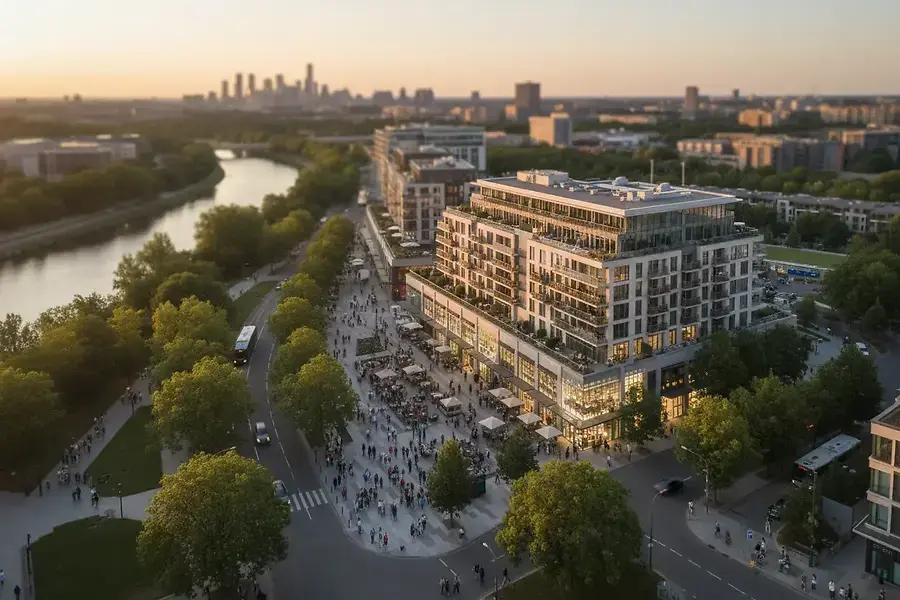
The Rise of Mixed-Use Properties in the DC Metro Market
The DC Metro real estate market is experiencing a significant transformation. Mixed-use properties—developments that combine residential, commercial, and retail spaces under one roof—are becoming increasingly popular among investors and developers. This shift reflects changing consumer preferences and the growing demand for walkable, vibrant communities where people can live, work, and play without extensive commuting.
Mixed-use developments offer a compelling value proposition for both investors and end-users. They create dynamic neighborhoods that attract diverse demographics, generate multiple revenue streams, and contribute to sustainable urban development. As the DC Metro continues to evolve, understanding these opportunities has become essential for anyone looking to capitalize on the region's real estate potential.
Key Locations for Residential-Commercial Investment
Bethesda: The Premium Mixed-Use Hub
Bethesda stands out as one of the most attractive markets for mixed-use development in the DC Metro area. With its thriving downtown corridor, excellent public transportation access, and affluent residential base, Bethesda has become a magnet for developers seeking to create high-end mixed-use properties. The area's strong employment centers and educated workforce make it ideal for properties that blend luxury apartments with upscale retail and office spaces.
Chevy Chase: Suburban Sophistication Meets Urban Convenience
Chevy Chase represents another prime location for mixed-use investment. This affluent community offers the perfect balance between suburban tranquility and urban accessibility. Mixed-use developments here cater to residents who desire convenience without sacrificing their community's character. Properties combining residential units with boutique retail and professional services have proven particularly successful in this market.
Washington DC: The Urban Core Advantage
The nation's capital continues to attract significant mixed-use development investment. Neighborhoods like Capitol Hill, Navy Yard, and the emerging areas near the waterfront offer exceptional opportunities for developers. DC's dense population, robust job market, and cultural attractions make it an ideal location for large-scale mixed-use projects that maximize both residential and commercial potential.
Silver Spring: The Emerging Powerhouse
Silver Spring has emerged as a dynamic mixed-use destination in recent years. The downtown revitalization efforts have created a vibrant urban environment that attracts both residents and businesses. Properties that combine modern apartments with restaurants, entertainment venues, and retail spaces have found tremendous success in this rapidly growing market.
Ellicott City and Friendship: Suburban Growth Corridors
Beyond the immediate DC area, Ellicott City and Friendship represent emerging opportunities for mixed-use development. These communities are experiencing significant growth as the DC Metro expands outward. Developers are capitalizing on lower land costs while still benefiting from proximity to major employment centers and transportation corridors.
Benefits of Mixed-Use Properties for Investors and End-Users
For Investors: Diversified Revenue Streams
Mixed-use properties offer investors a significant advantage through revenue diversification. Rather than relying on a single income source, investors can generate returns from residential leases, commercial tenants, and retail operations simultaneously. This diversification reduces risk and provides more stable, predictable cash flows. Additionally, mixed-use properties often command premium valuations due to their complexity and the multiple revenue streams they generate.
Resilience and Market Adaptability
The mixed-use model provides built-in resilience. If one sector of the market experiences a downturn, other components can offset losses. For example, during periods of residential market softness, strong commercial performance can maintain overall property profitability. This adaptability makes mixed-use properties particularly attractive in uncertain economic times.
For End-Users: The Convenience Factor
Residents and workers in mixed-use developments enjoy unprecedented convenience. They can live steps away from their workplace, shop at ground-floor retailers, dine at restaurants, and access services without leaving the property. This lifestyle appeal attracts premium tenants willing to pay higher rents for the added convenience and community atmosphere.
Community Building and Placemaking
Mixed-use developments create vibrant, walkable communities that foster social interaction and economic vitality. These properties become destinations rather than just places to live or work. The combination of residential, commercial, and retail uses creates a 24/7 environment that benefits all stakeholders. Residents enjoy a sense of community, businesses benefit from foot traffic, and investors enjoy strong occupancy rates and tenant retention.
Sustainability and Urban Planning Benefits
Mixed-use properties align with modern sustainability goals and urban planning principles. By combining multiple uses in a single location, these developments reduce transportation needs, lower carbon footprints, and make efficient use of land. Many municipalities actively encourage mixed-use development through zoning incentives and expedited permitting, making these projects easier to develop and more profitable.
Long-Term Value Appreciation
Mixed-use properties have demonstrated strong long-term value appreciation in the DC Metro market. The combination of multiple revenue streams, strong tenant demand, and limited supply of quality mixed-use properties creates favorable conditions for property value growth. Investors who acquire well-positioned mixed-use properties benefit from both immediate income and substantial long-term appreciation potential.
Positioning Yourself as an Expert in DC's Hybrid Real Estate Landscape
Success in the mixed-use real estate market requires deep knowledge and strategic positioning. Here are key strategies for establishing yourself as an expert:
- Develop Specialized Knowledge: Understand the unique dynamics of mixed-use properties, including tenant mix optimization, revenue management across multiple property types, and regulatory considerations specific to hybrid developments.
- Build Local Market Expertise: Become intimately familiar with each key market—Bethesda, Chevy Chase, DC, Silver Spring, Ellicott City, and Friendship. Understand local zoning regulations, demographic trends, and development pipelines.
- Network with Key Stakeholders: Cultivate relationships with developers, property managers, commercial brokers, and municipal officials. These connections provide valuable market intelligence and deal opportunities.
- Stay Current on Market Trends: Monitor demographic shifts, consumer preferences, and economic indicators that influence mixed-use development success. Understanding emerging trends positions you ahead of the competition.
- Showcase Track Record: Document and promote successful mixed-use projects you've been involved with. Case studies demonstrating strong returns and successful tenant mixes build credibility and attract investors.
The DC Metro mixed-use real estate market presents extraordinary opportunities for informed investors and professionals. By understanding the unique benefits of these hybrid properties, recognizing the strongest markets, and positioning yourself as a knowledgeable expert, you can capitalize on one of the most dynamic segments of the regional real estate market. The future of real estate in the DC Metro is mixed-use, and the time to establish your expertise is now.


