Mixed-Use Development Trends in Sherman Oaks and Los Angeles
Discover how blending retail, office, and residential spaces is reshaping commercial real estate opportunities in today's market.

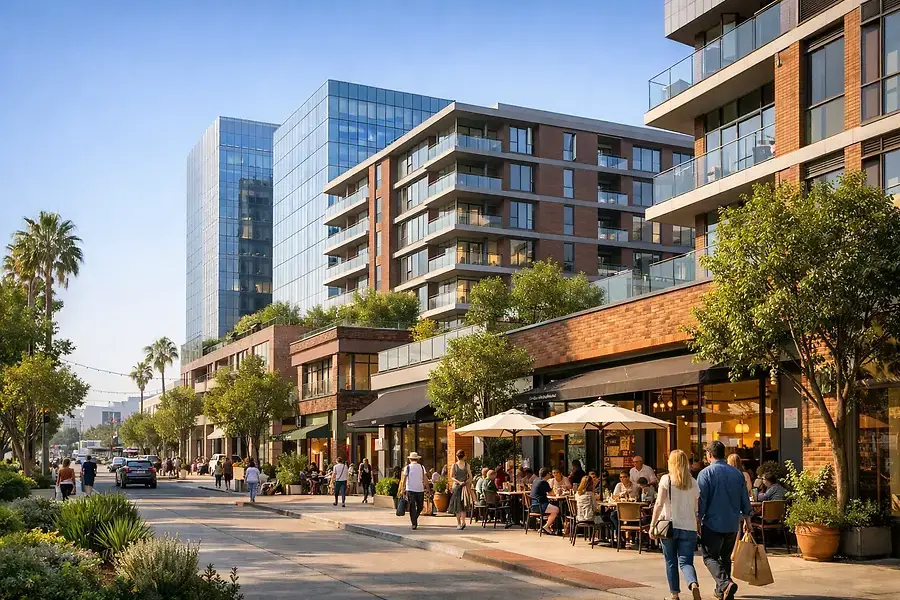
Understanding Mixed-Use Development: Benefits and Market Demand
Mixed-use development has become one of the most dynamic segments in commercial real estate, fundamentally changing how communities are designed and how businesses operate. These properties seamlessly integrate residential units, retail spaces, and office environments within a single development, creating vibrant, walkable neighborhoods that appeal to modern consumers and professionals.
The demand for mixed-use properties stems from several key factors. Urban dwellers increasingly prefer convenience, seeking locations where they can live, work, and shop without extensive commutes. This shift in lifestyle preferences has made mixed-use developments highly attractive to investors and developers alike. Additionally, these properties generate multiple revenue streams, reducing risk through diversified tenant bases and income sources.
Key Benefits for Investors and Developers
- Revenue Diversification: Multiple property types generate income from various sources, stabilizing cash flow during market fluctuations
- Higher Occupancy Rates: The interconnected nature of mixed-use spaces encourages foot traffic and tenant retention
- Community Appeal: These developments foster vibrant neighborhoods that attract quality tenants and command premium pricing
- Sustainability: Reduced reliance on automobiles and efficient land use align with environmental goals
- Long-Term Value: Mixed-use properties typically appreciate faster than single-use developments
Market demand continues to surge as both commercial and residential sectors recognize the value proposition these developments offer.
Current Mixed-Use Projects Transforming Sherman Oaks and Los Angeles
Sherman Oaks and the greater Los Angeles area are experiencing a renaissance of mixed-use development projects that are reshaping the commercial landscape. These projects demonstrate the viability and profitability of blended-use properties in Southern California's competitive market.
Notable Developments in the Region
Several landmark projects have set the standard for mixed-use development in Los Angeles. These properties feature ground-floor retail spaces that activate street-level experiences, mid-level office spaces designed for modern work environments, and upper-floor residential units that provide convenient urban living. The integration of public spaces, including plazas and pedestrian walkways, creates destinations rather than mere commercial properties.
Sherman Oaks specifically has emerged as a prime location for mixed-use development due to its central Valley position, excellent transportation access, and established community infrastructure. The neighborhood's transformation reflects broader trends across Los Angeles, where developers are prioritizing walkability and community integration.
Market Performance and Tenant Demand
Current mixed-use projects in the area are experiencing strong performance metrics. Occupancy rates exceed traditional single-use properties, and rental rates for both commercial and residential components remain competitive. Retailers benefit from the built-in residential customer base, while office tenants appreciate the proximity to amenities and services. Residential tenants enjoy the convenience of on-site shopping and dining options.
This synergistic relationship creates a self-reinforcing cycle of success, making mixed-use properties increasingly attractive to institutional investors and real estate funds.
Financing and Investment Considerations for Mixed-Use Properties
Financing mixed-use developments requires a more sophisticated approach than traditional single-use properties. Lenders and investors must evaluate multiple asset classes simultaneously, necessitating comprehensive underwriting and risk assessment strategies.
Financing Challenges and Solutions
Mixed-use properties present unique financing challenges. Traditional lenders often struggle with valuation since comparable properties may not exist in every market. However, several financing solutions have emerged to address these challenges:
- Construction Loans: Specialized lenders now offer construction financing tailored to mixed-use projects with staggered completion timelines
- Permanent Financing: Portfolio lenders and institutional investors provide long-term financing based on stabilized mixed-use operations
- Hybrid Structures: Creative financing combining residential and commercial loan products
- Government Programs: Local and state incentives support mixed-use development in targeted areas
Investment Metrics and Returns
Investors evaluating mixed-use properties should focus on comprehensive metrics. Cap rates vary by component, with residential typically offering lower returns but greater stability, while retail and office spaces may provide higher yields with more volatility. The blended return profile often appeals to institutional investors seeking balanced risk-adjusted returns.
Due diligence should include detailed market analysis for each property type, tenant quality assessment across all components, and long-term demographic trends supporting the mixed-use model.
Positioning Your Clients in the Mixed-Use Commercial Market
Real estate professionals must develop specialized strategies to effectively serve clients in the mixed-use market. Success requires deep market knowledge, creative problem-solving, and a comprehensive understanding of multiple property types.
Strategic Positioning for Investors
Educate clients about the unique advantages of mixed-use investments. Highlight the diversified income streams, lower vacancy risks, and appreciation potential compared to single-use properties. Position mixed-use developments as sophisticated investments suitable for institutional portfolios and experienced investors.
Develop case studies showcasing successful mixed-use projects in Sherman Oaks and Los Angeles. Demonstrate how these properties have outperformed traditional commercial real estate during various market cycles. Use data-driven presentations to illustrate the financial benefits and long-term value creation potential.
Tenant Recruitment and Retention
Help clients understand the importance of tenant mix in mixed-use properties. Successful developments balance anchor tenants with complementary retail and service providers. Residential components should appeal to the target demographic while supporting retail and office operations.
Implement tenant retention strategies that emphasize community building and shared amenities. Properties with strong community programming, events, and services maintain higher occupancy rates and command premium pricing.
Marketing and Positioning Strategies
- Lifestyle Marketing: Position mixed-use properties as lifestyle destinations, not just commercial real estate
- Walkability Emphasis: Highlight pedestrian-friendly design and reduced car dependency
- Community Focus: Emphasize the vibrant neighborhood atmosphere and social connectivity
- Sustainability Messaging: Promote environmental benefits and responsible development practices
- Digital Presence: Utilize virtual tours and digital platforms to showcase the integrated experience
Future Outlook
The mixed-use development trend in Sherman Oaks and Los Angeles shows no signs of slowing. As urban preferences continue evolving and investors seek diversified returns, mixed-use properties will remain a cornerstone of commercial real estate strategy. Professionals who develop expertise in this sector will be well-positioned to capitalize on the significant opportunities ahead.
The future of commercial real estate belongs to those who understand that the best developments are not just buildings—they are communities. Mixed-use properties represent this evolution, and Sherman Oaks and Los Angeles are leading the way.


