Mixed-Use Properties: A Smart Investment Strategy for Kennett Square and Wilmington
Discover how residential-commercial hybrid properties are creating wealth opportunities for savvy investors in the Delaware Valley.

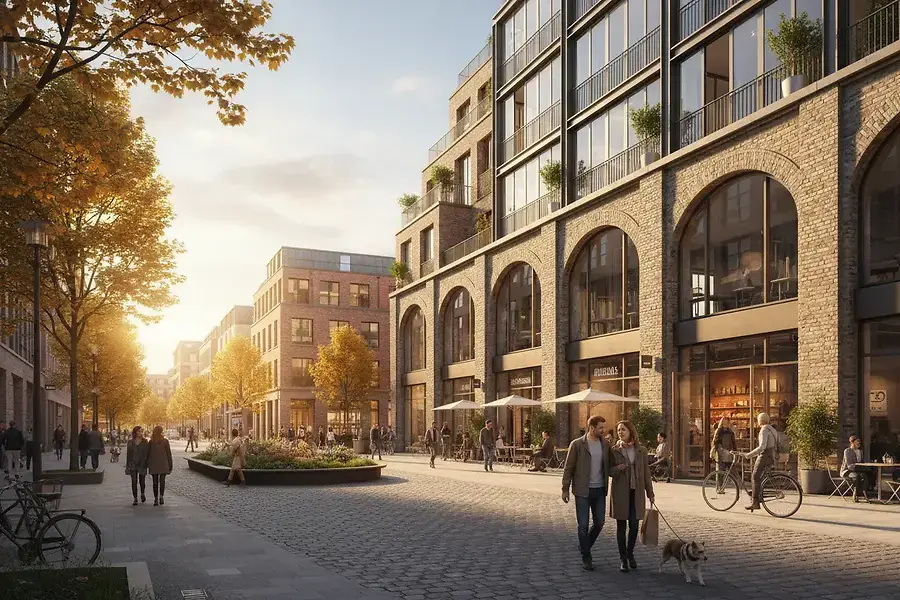
The Rise of Hybrid Property Investments in the Delaware Valley
The real estate landscape in the Delaware Valley is undergoing a significant transformation. Mixed-use properties—buildings that combine residential units with commercial spaces—are emerging as one of the most compelling investment opportunities for savvy investors. This hybrid approach to property development is reshaping how investors think about real estate portfolios, particularly in vibrant communities like Kennett Square and Wilmington.
The appeal is straightforward: mixed-use properties generate multiple revenue streams from a single asset. Rather than relying solely on residential rent or commercial lease income, investors can benefit from both simultaneously. This diversification creates a more resilient investment that weathers market fluctuations better than traditional single-use properties.
Why Mixed-Use Properties Outperform Single-Use Investments
Revenue Diversification and Stability
The primary advantage of mixed-use properties lies in their ability to generate income from multiple sources. A property with ground-floor retail and upper-level apartments creates a balanced portfolio within a single building. If retail leases decline, residential income can offset losses. This built-in diversification reduces risk significantly compared to single-use investments.
Higher Overall Returns
Mixed-use properties typically command premium valuations because they offer greater income potential. Investors benefit from:
- Higher capitalization rates due to multiple revenue streams
- Increased property values driven by mixed-use demand
- Greater flexibility in tenant selection and lease terms
- Enhanced property appreciation over time
Market Demand and Tenant Appeal
Modern consumers increasingly prefer walkable, mixed-use neighborhoods where they can live, work, and shop without extensive commuting. This demographic shift creates strong tenant demand for both residential and commercial spaces in mixed-use developments. Properties that meet this demand command higher rents and lower vacancy rates.
Operational Efficiency
Managing a mixed-use property allows investors to leverage shared infrastructure and services. Parking facilities, security systems, maintenance staff, and utilities can serve both residential and commercial tenants, reducing per-unit operational costs and improving profit margins.
Market Opportunities: Kennett Square and Wilmington's Best Mixed-Use Locations
Kennett Square: The Mushroom Capital's Urban Renaissance
Kennett Square is experiencing a revitalization that makes it an ideal location for mixed-use investments. The historic downtown area is attracting new businesses, restaurants, and cultural venues while maintaining its residential appeal. Key opportunities include:
- Historic building conversions: Older commercial structures are being transformed into loft apartments with ground-floor retail
- Walkable downtown core: The compact downtown encourages foot traffic and supports both retail and residential tenants
- Growing culinary scene: Restaurants and food-related businesses create strong commercial demand
- Community events: Regular farmers markets and festivals drive foot traffic and business activity
Investors who acquire properties in Kennett Square's downtown corridor position themselves to benefit from ongoing revitalization efforts and increasing property values.
Wilmington: Delaware's Urban Growth Engine
Wilmington offers larger-scale mixed-use opportunities with significant growth potential. The city's downtown revitalization initiatives and riverfront development projects are creating prime locations for mixed-use investments. Notable areas include:
- Riverfront District: Waterfront properties combining residential lofts with restaurants and entertainment venues
- Downtown Corridor: Historic buildings being converted to mixed-use spaces near cultural institutions
- Emerging neighborhoods: Up-and-coming areas with lower entry prices and strong appreciation potential
- Proximity to major employers: Corporate headquarters and institutions create stable tenant demand
Wilmington's larger population base and economic diversity provide more opportunities for commercial tenants, making mixed-use properties particularly attractive in this market.
Getting Started: How to Identify and Evaluate Mixed-Use Properties for Your Portfolio
Key Evaluation Criteria
When assessing mixed-use properties, focus on these essential factors:
- Location quality: Walkability, foot traffic, and proximity to amenities are critical
- Tenant mix: Evaluate the stability and quality of both residential and commercial tenants
- Income analysis: Calculate combined residential and commercial income separately to understand each revenue stream
- Market trends: Research neighborhood growth patterns and demographic shifts
- Physical condition: Assess building systems, code compliance, and renovation needs
- Zoning and regulations: Confirm zoning allows mixed-use and understand local regulations
Financial Analysis Best Practices
Proper financial evaluation is crucial for mixed-use investments. Analyze residential and commercial income separately to understand which component drives returns. Calculate capitalization rates, cash-on-cash returns, and projected appreciation independently for each use. This detailed analysis reveals whether the property's value comes primarily from residential or commercial income, helping you make informed decisions.
Building Your Investment Team
Successfully investing in mixed-use properties requires specialized expertise. Assemble a team including:
- A real estate agent familiar with mixed-use properties in your target market
- An accountant experienced with multi-use property taxation
- A property manager skilled in managing diverse tenant bases
- An attorney knowledgeable about commercial and residential lease agreements
This team ensures you navigate the complexities of mixed-use ownership effectively.
Start Small and Scale
If you're new to mixed-use investing, consider starting with a smaller property to gain experience. A modest mixed-use building in an emerging neighborhood offers lower entry costs and valuable learning opportunities. As you develop expertise and build capital, you can scale to larger, more complex properties.
Mixed-use properties represent the future of real estate investing in the Delaware Valley. By combining residential and commercial spaces, investors create resilient, income-generating assets that outperform traditional single-use properties.
The Path Forward
Mixed-use properties in Kennett Square and Wilmington offer compelling opportunities for investors seeking diversified income streams and strong appreciation potential. The combination of growing demand for walkable communities, revitalization initiatives in both markets, and the inherent advantages of mixed-use ownership creates an ideal environment for strategic investment. By understanding market dynamics, conducting thorough evaluations, and building the right team, you can position yourself to capitalize on this emerging trend and build substantial wealth through mixed-use real estate.


