Mixed-Use Properties: Blending Commercial and Residential in NJ and Staten Island
Discover how mixed-use developments are transforming real estate opportunities across the New Jersey and Staten Island markets.

Why Mixed-Use Properties Are Reshaping the Real Estate Market
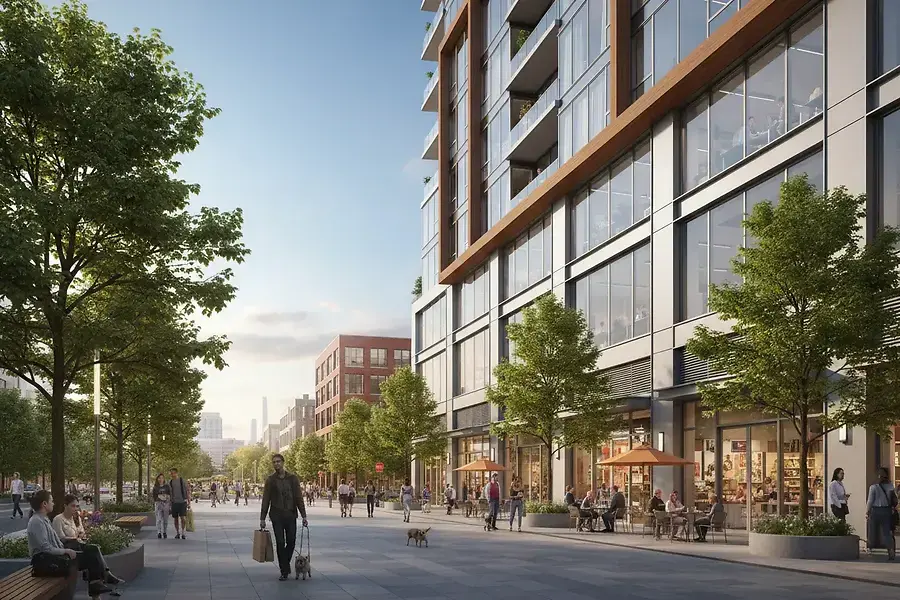
The real estate landscape is undergoing a significant transformation, and mixed-use properties are at the forefront of this evolution. These innovative developments combine residential apartments, retail spaces, offices, and entertainment venues under one roof, creating dynamic communities that cater to modern lifestyles. Unlike traditional single-use properties, mixed-use developments offer a unique blend of convenience, walkability, and economic diversity that appeals to both investors and residents.
The appeal of mixed-use properties lies in their ability to maximize land utilization and create vibrant neighborhoods where people can live, work, and play without extensive commuting. This integrated approach reduces traffic congestion, supports local businesses, and fosters a sense of community that traditional developments often lack. For investors, mixed-use properties present an opportunity to diversify income streams and reduce vacancy risks through multiple revenue sources.
The Rise of Residential/Commercial Developments in New Jersey and Staten Island
New Jersey's Mixed-Use Boom
New Jersey has emerged as a prime location for mixed-use development, with cities like Jersey City, Newark, and Hoboken leading the charge. These urban centers have attracted significant investment from major developers who recognize the potential of transforming underutilized industrial areas into thriving mixed-use communities. The proximity to New York City, combined with lower real estate costs and strong infrastructure, makes New Jersey an attractive destination for both residential and commercial tenants.
Jersey City's waterfront developments exemplify this trend, featuring luxury apartments, corporate offices, retail spaces, and entertainment venues. These projects have revitalized neighborhoods and attracted young professionals, families, and businesses seeking alternatives to Manhattan's high costs. The success of these developments has inspired similar projects throughout the state, creating a ripple effect of urban renewal and economic growth.
Staten Island's Emerging Market
Staten Island, often overlooked in real estate discussions, is experiencing a renaissance with mixed-use developments that cater to its growing population. The borough's more affordable real estate prices compared to other New York City boroughs make it an attractive location for developers looking to create accessible mixed-use communities. Projects combining residential units with ground-floor retail and office spaces are transforming neighborhoods and improving quality of life for residents.
The development of mixed-use properties in Staten Island addresses the borough's need for local employment opportunities and retail options, reducing residents' dependence on traveling to other boroughs for work and shopping. This localized approach to development strengthens community ties and creates a more self-sufficient neighborhood ecosystem.
Investment Potential and Tenant Diversity in Hybrid Properties
Multiple Revenue Streams
One of the most compelling advantages of mixed-use properties is their ability to generate income from multiple sources. Residential units provide stable, long-term rental income, while commercial spaces offer higher per-square-foot returns. This diversification reduces the risk associated with market fluctuations in any single sector, making mixed-use properties a more resilient investment option.
- Residential Income: Steady rental revenue from apartment units with long-term lease agreements
- Retail Revenue: Higher-margin income from ground-floor commercial tenants
- Office Space: Professional tenants seeking flexible, accessible work environments
- Parking and Amenities: Additional revenue from parking facilities and premium services
Tenant Diversity and Stability
Mixed-use properties attract a diverse tenant base, which strengthens the overall stability of the investment. Residential tenants provide consistent, predictable income, while commercial tenants often sign longer leases and may be less sensitive to short-term market fluctuations. This combination creates a balanced portfolio that can weather economic downturns more effectively than single-use properties.
The presence of diverse tenants also creates a vibrant atmosphere that attracts more residents and businesses, creating a positive feedback loop that enhances property value and desirability. A thriving mixed-use community becomes a destination, not just a place to live or work.
Appreciation Potential
Mixed-use properties in New Jersey and Staten Island have demonstrated strong appreciation potential. As neighborhoods develop and communities mature, property values tend to increase significantly. The transformation of underutilized areas into vibrant mixed-use communities often results in substantial returns for early investors who recognize the potential of emerging neighborhoods.
Making the Right Choice: Residential, Commercial, or Mixed-Use for Your Portfolio
Evaluating Your Investment Goals
Choosing between residential, commercial, or mixed-use properties depends on your investment objectives, risk tolerance, and market knowledge. Residential properties offer stability and consistent income but may have lower appreciation potential. Commercial properties provide higher returns but come with greater vacancy risks and market sensitivity. Mixed-use properties balance these considerations, offering diversified income and moderate risk.
Market Conditions and Location
The New Jersey and Staten Island markets are particularly well-suited for mixed-use development due to their proximity to New York City, growing populations, and ongoing urban renewal initiatives. Investors should consider:
- Local zoning regulations and development incentives
- Population demographics and growth trends
- Transportation infrastructure and accessibility
- Existing commercial and residential demand
- Competition from other developments in the area
Strategic Considerations
Before investing in mixed-use properties, conduct thorough market research and feasibility studies. Understanding the local market dynamics, tenant preferences, and economic trends is crucial for success. Consider working with experienced developers and property managers who understand the complexities of managing mixed-use properties.
Mixed-use properties require more sophisticated management than single-use properties, as they involve coordinating multiple tenant types and maintaining diverse amenities. However, the potential returns and stability they offer make them an increasingly attractive option for sophisticated investors.
The Future of Mixed-Use Development
As urban populations continue to grow and preferences shift toward walkable, integrated communities, mixed-use properties will likely become increasingly valuable. New Jersey and Staten Island are well-positioned to benefit from this trend, offering investors opportunities to participate in the transformation of these dynamic markets.
Mixed-use properties represent the future of real estate development, combining the best elements of residential and commercial investments to create thriving communities and sustainable returns.
Whether you're a seasoned investor or exploring real estate opportunities for the first time, mixed-use properties in New Jersey and Staten Island deserve serious consideration. Their ability to generate diverse income streams, attract quality tenants, and appreciate over time makes them a compelling addition to any investment portfolio.


