Mixed-Use Properties: Blending Commercial and Residential in PA
Discover how residential/commercial properties are transforming neighborhoods from Souderton to Philadelphia with unprecedented investment potential.

The Rise of Mixed-Use Development in Pennsylvania
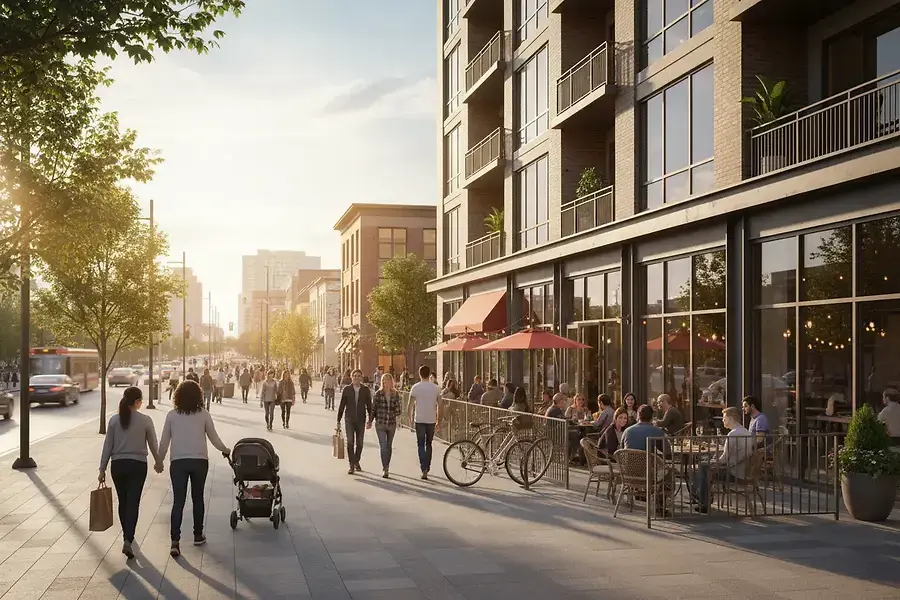
Pennsylvania's real estate landscape is undergoing a remarkable transformation. Mixed-use properties—developments that seamlessly blend residential apartments or condos with commercial spaces like retail shops, restaurants, and offices—are reshaping how people live, work, and shop. From the charming neighborhoods of Souderton to the bustling streets of Philadelphia, these innovative properties are becoming the cornerstone of modern community development.
The appeal is clear: mixed-use properties create vibrant, walkable communities where residents can access amenities without leaving their neighborhood. This shift represents a fundamental change in how developers, investors, and homeowners view real estate in the Commonwealth.
Understanding Residential/Commercial Properties: Benefits and Opportunities
What Are Mixed-Use Properties?
Mixed-use properties combine multiple functions within a single development or building. Typically, you'll find residential units on upper floors with ground-level retail, dining, or office spaces. This integration creates a dynamic environment that serves residents, businesses, and visitors alike.
Key Benefits for Investors
- Diversified Revenue Streams: Property owners benefit from both residential rental income and commercial lease payments, reducing financial risk.
- Higher Property Values: Mixed-use developments often command premium prices due to their versatility and strong demand.
- Tenant Stability: The combination of residential and commercial tenants creates a more stable occupancy rate.
- Tax Advantages: Investors may qualify for various tax incentives and depreciation benefits across multiple property types.
Benefits for Residents and Businesses
Residents enjoy unprecedented convenience—coffee shops, grocery stores, and offices are just steps away. Small business owners gain access to foot traffic from residential populations, while commercial tenants benefit from a built-in customer base. This symbiotic relationship creates thriving neighborhoods where commerce and community flourish together.
Urban Revitalization Potential
Mixed-use properties are particularly powerful tools for revitalizing underutilized areas. Vacant warehouses, abandoned storefronts, and neglected neighborhoods are being transformed into vibrant mixed-use destinations. This revitalization attracts new residents, supports local businesses, and increases property tax revenues for municipalities.
Market Trends Across Souderton, Chester Springs, and Philadelphia
Souderton: Suburban Growth and Community Integration
In Souderton, mixed-use development is bringing new life to traditional suburban areas. Developers are creating town centers that combine residential lofts with local retail and dining options. These projects are attracting young professionals and families who want suburban living with urban convenience. The trend reflects a broader shift away from car-dependent sprawl toward walkable, community-focused neighborhoods.
Chester Springs: Upscale Mixed-Use Living
Chester Springs is experiencing a surge in upscale mixed-use developments that cater to affluent residents seeking both luxury living and sophisticated commercial amenities. High-end residential units paired with premium retail, wellness centers, and fine dining establishments are setting new standards for the region. These properties command strong investment returns and attract discerning tenants and customers.
Philadelphia: Urban Innovation and Density
Philadelphia's mixed-use market is particularly dynamic. The city's historic neighborhoods are being reimagined with modern mixed-use developments that respect architectural heritage while introducing contemporary living spaces.
Philadelphia's mixed-use properties represent the future of urban living—where history meets innovation, and community thrives.From Old City to Fishtown, these developments are driving significant property appreciation and attracting national investment attention.
Market Performance and Investment Returns
Across all three markets, mixed-use properties are outperforming traditional single-use developments. Investors report:
- Higher occupancy rates compared to residential-only or commercial-only properties
- Increased property valuations driven by strong market demand
- Better resilience during economic downturns due to diversified income sources
- Growing institutional investor interest from REITs and large development firms
Demographic Drivers
Several demographic trends are fueling mixed-use growth in Pennsylvania. Millennials and Gen Z workers increasingly prefer walkable neighborhoods with mixed-use amenities. Remote work flexibility allows professionals to live outside traditional downtown cores while maintaining access to urban conveniences. Additionally, empty nesters and retirees are downsizing into mixed-use communities that offer maintenance-free living with built-in social and commercial activity.
Why Investors and Homeowners Are Choosing Mixed-Use Properties
The Investment Case
For investors, mixed-use properties offer a compelling value proposition. The combination of residential and commercial income streams creates financial stability. Unlike single-use properties that depend on one market segment, mixed-use developments benefit from multiple revenue sources. This diversification reduces vacancy risk and provides more consistent cash flow.
The Lifestyle Appeal
Homeowners and renters are drawn to mixed-use communities for lifestyle reasons. The ability to walk to work, shop, dine, and socialize without relying on a car represents a fundamental quality-of-life improvement. These neighborhoods foster community connections and reduce commute times, making them particularly attractive to busy professionals and families.
Sustainability and Future-Proofing
Mixed-use properties align with sustainability goals by reducing car dependency and promoting efficient land use. As environmental consciousness grows and municipalities implement stricter zoning regulations favoring density and walkability, mixed-use properties are positioned as future-proof investments. Properties that embrace these principles will likely appreciate as demand for sustainable living options increases.
The Path Forward
Pennsylvania's mixed-use property market is poised for continued growth. As developers, investors, and residents recognize the benefits of blended commercial and residential spaces, we can expect to see more innovative projects across the state. Whether you're an investor seeking diversified returns or a homeowner looking for vibrant community living, mixed-use properties offer compelling opportunities.
The transformation of Pennsylvania's neighborhoods—from Souderton's suburban centers to Philadelphia's urban core—demonstrates that the future of real estate belongs to developments that bring people together. Mixed-use properties aren't just buildings; they're communities where commerce, residence, and connection thrive side by side.


