Mixed-Use Properties: Blending Commercial and Residential in Utah and California
Discover how hybrid properties are transforming investment opportunities across mountain and coastal markets.

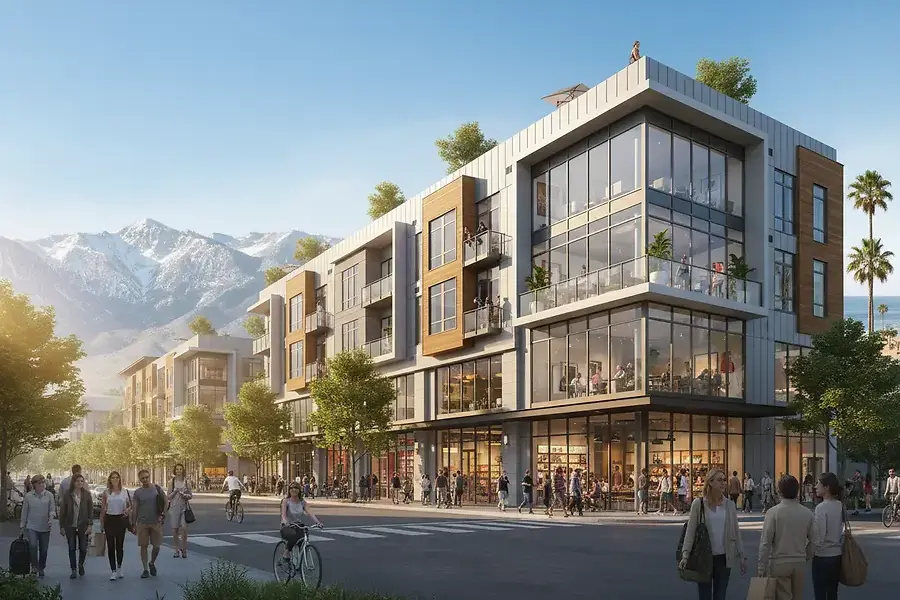
Introduction: The Rise of Mixed-Use Real Estate Investments
The real estate landscape is undergoing a significant transformation, and mixed-use properties are at the forefront of this revolution. These innovative developments seamlessly blend commercial and residential spaces, creating vibrant communities that cater to modern living and working preferences. From the snow-capped mountains of Utah to the sun-soaked coasts of California, investors are recognizing the tremendous potential of hybrid properties.
Mixed-use developments represent more than just a trend—they reflect a fundamental shift in how people want to live, work, and play. These properties offer investors diversified income streams, reduced vacancy risks, and the ability to capitalize on the growing demand for walkable, integrated communities. Whether you're a seasoned investor or exploring new opportunities, understanding mixed-use properties is essential for staying competitive in today's market.
Understanding Residential/Commercial Properties: Structure, Benefits, and Market Demand
What Are Mixed-Use Properties?
Mixed-use properties are real estate developments that combine two or more uses within a single building or complex. Typically, these include:
- Ground-floor retail or office spaces
- Upper-level residential apartments or condominiums
- Integrated parking facilities
- Community amenities such as gyms, restaurants, or entertainment venues
This vertical integration creates self-contained ecosystems where residents can shop, dine, work, and live without leaving the property.
Key Benefits for Investors
Revenue Diversification: Mixed-use properties generate income from multiple sources—residential rents, commercial leases, and parking fees. This diversification reduces dependency on any single revenue stream and provides stability during market fluctuations.
Higher Occupancy Rates: The integrated nature of these properties means that commercial tenants attract foot traffic, which benefits residential units, and vice versa. This synergy typically results in lower vacancy rates compared to single-use properties.
Increased Property Value: Mixed-use developments often command premium valuations due to their complexity, income potential, and appeal to modern consumers. The combination of residential and commercial spaces creates a unique value proposition that attracts both tenants and buyers.
Urban Revitalization: These properties often serve as catalysts for neighborhood development, attracting additional investment and improving community infrastructure.
Market Demand Drivers
Several factors are fueling the demand for mixed-use properties:
- Remote Work Evolution: As flexible work arrangements become standard, residents seek properties that offer both living space and convenient access to coworking facilities and retail services.
- Walkability Preferences: Younger demographics and urban professionals increasingly value walkable communities where daily needs are accessible without a car.
- Sustainability Concerns: Mixed-use developments reduce commuting distances and promote environmentally conscious living.
- Lifestyle Integration: Modern consumers want integrated communities that support their entire lifestyle, not just housing.
Top Markets for Mixed-Use Development: Utah Mountain Communities vs. California Coastal Areas
Utah Mountain Communities: The Emerging Powerhouse
Utah's mountain regions are experiencing explosive growth in mixed-use development. Cities like Salt Lake City, Park City, and Ogden are attracting investors with their:
Affordable Entry Points: Compared to California, Utah offers significantly lower acquisition costs, allowing investors to build larger, more ambitious mixed-use projects with better margins.
Strong Population Growth: Utah consistently ranks among the fastest-growing states, driven by a young, educated workforce and business-friendly policies. This demographic tailwind supports both residential and commercial demand.
Tourism and Recreation: World-class skiing, hiking, and outdoor recreation create seasonal tourism revenue opportunities. Mixed-use properties in these areas benefit from both permanent residents and seasonal visitors.
"Utah's mountain communities represent the next frontier for mixed-use development, offering investors the perfect combination of growth potential, affordability, and lifestyle appeal."
Tech Hub Development: Salt Lake City is emerging as a technology center, attracting startups and established companies. This creates demand for modern office spaces integrated with residential communities.
California Coastal Areas: The Established Market
California's coastal regions have long been leaders in mixed-use development, with established markets in:
San Francisco Bay Area: Despite high costs, the Bay Area continues to drive innovation in mixed-use design. Properties here command premium prices due to proximity to tech companies and established infrastructure.
Los Angeles and Orange County: These regions offer diverse mixed-use opportunities, from beachfront developments to urban infill projects. The established retail and entertainment sectors provide strong commercial anchors.
San Diego: With its year-round pleasant climate and strong tourism industry, San Diego's mixed-use properties benefit from both residential demand and visitor spending.
Premium Valuations: While California properties require higher initial investment, they offer:
- Established tenant bases and proven rental rates
- Strong property appreciation history
- Access to capital and institutional investors
- Mature infrastructure and amenities
Comparative Analysis
Utah Advantages: Lower costs, faster growth rates, emerging market opportunities, and higher potential returns on investment.
California Advantages: Established markets, proven track records, premium pricing power, and access to larger capital pools.
Smart investors often pursue a balanced portfolio strategy, combining the growth potential of Utah markets with the stability of California properties.
Conclusion: Positioning Yourself as the Mixed-Use Real Estate Expert
Mixed-use properties represent one of the most compelling investment opportunities in real estate today. Whether you're drawn to the emerging potential of Utah's mountain communities or the established strength of California's coastal markets, understanding these hybrid properties is crucial for success.
The key to maximizing returns lies in recognizing that mixed-use development is not simply about combining residential and commercial spaces—it's about creating integrated communities that meet the evolving needs of modern residents and businesses. Investors who master this approach will position themselves at the forefront of real estate innovation.
As you evaluate mixed-use opportunities, consider your investment timeline, risk tolerance, and market preferences. Whether you're seeking aggressive growth in emerging markets or stable returns in established areas, mixed-use properties offer the flexibility and potential to achieve your investment goals. The future of real estate is hybrid, and the time to act is now.


