Mixed-Use Properties: Blending Commercial and Residential Income Opportunities
Discover how Delaware Valley investors are maximizing returns through strategic mixed-use real estate investments across the region.

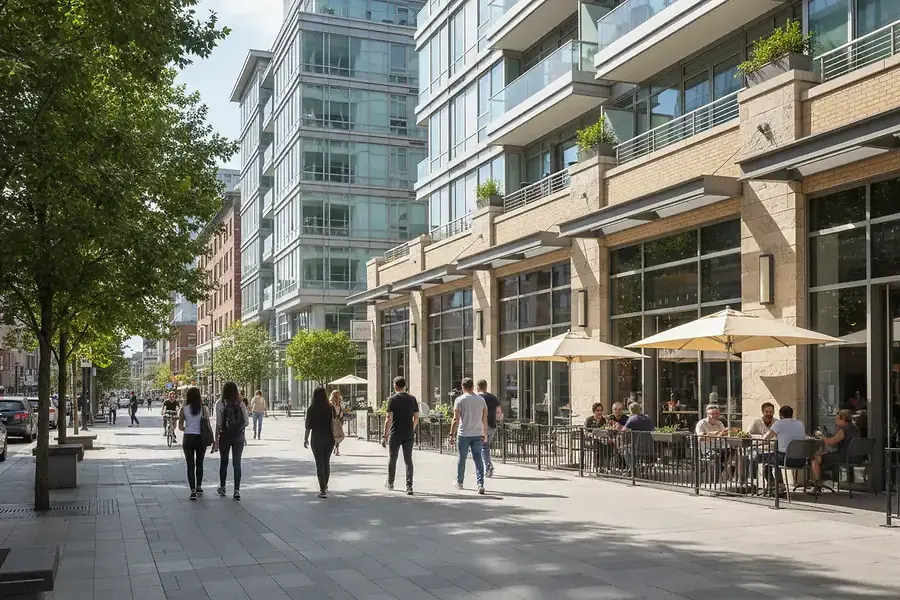
The Rise of Mixed-Use Development in the Delaware Valley
The Delaware Valley real estate market is experiencing a transformative shift as investors increasingly recognize the power of mixed-use properties. These innovative developments, which seamlessly blend commercial and residential spaces under one roof, are reshaping how communities think about urban living and commerce. The trend reflects a broader movement toward walkable neighborhoods, reduced commute times, and vibrant community centers that serve multiple purposes.
Mixed-use properties have become a cornerstone of modern real estate investment strategy in the region. From Philadelphia's bustling downtown corridors to the emerging neighborhoods of Wilmington and surrounding suburbs, developers and investors are capitalizing on the demand for integrated living and working spaces. This evolution represents more than just a real estate trend—it's a fundamental reimagining of how people want to live, work, and spend their leisure time.
Understanding Mixed-Use Properties: Commercial Meets Residential Revenue Streams
What Are Mixed-Use Properties?
Mixed-use properties are developments that combine two or more different uses within a single building or complex. Typically, these properties feature ground-floor retail or office spaces with residential apartments or condominiums above. Some sophisticated developments include hotels, entertainment venues, parking facilities, and public spaces all integrated into one cohesive environment.
The Financial Advantages
The primary appeal of mixed-use investments lies in their ability to generate multiple revenue streams:
- Diversified Income: Investors benefit from both commercial lease payments and residential rental income, reducing dependency on a single market segment
- Higher Occupancy Rates: The variety of uses typically attracts more tenants and customers, leading to stronger occupancy rates
- Increased Property Values: Mixed-use properties often command premium valuations due to their versatility and income-generating potential
- Tax Benefits: Different property uses may qualify for various tax incentives and depreciation strategies
- Resilience: When one market segment experiences downturns, other revenue streams help stabilize overall returns
Operational Considerations
While mixed-use properties offer substantial benefits, they require sophisticated management. Investors must navigate different tenant types, varying lease structures, and complex building operations. Successful mixed-use property management demands expertise in both commercial and residential real estate, along with a deep understanding of local zoning regulations and building codes.
Key operational challenges include:
- Managing diverse tenant needs and expectations
- Coordinating maintenance and repairs across multiple property types
- Balancing parking and traffic flow for both residents and commercial customers
- Ensuring compliance with mixed-use zoning requirements
- Marketing to both residential and commercial audiences
Top Mixed-Use Markets in Delaware and Pennsylvania: Where Opportunity Thrives
Philadelphia's Urban Renaissance
Philadelphia stands as the premier mixed-use market in the Delaware Valley. Neighborhoods like Old City, Rittenhouse Square, and University City have undergone remarkable transformations, with historic buildings converted into vibrant mixed-use developments. Ground-floor restaurants and boutiques support thriving residential communities above, creating dynamic neighborhoods that attract young professionals and established families alike.
The city's commitment to urban revitalization has created exceptional opportunities for investors. Tax incentives, historic preservation credits, and strong rental demand make Philadelphia's mixed-use market particularly attractive. Properties in these neighborhoods consistently deliver strong returns while contributing to neighborhood vitality.
Wilmington's Emerging Potential
Wilmington, Delaware, represents an emerging mixed-use opportunity for forward-thinking investors. The city's downtown revitalization efforts have attracted significant investment and development interest. Mixed-use projects along the Riverfront and in the central business district are creating new residential communities while supporting local commerce and entertainment venues.
Lower property costs compared to Philadelphia, combined with strong growth potential, make Wilmington an attractive market for investors seeking value and appreciation opportunities. The city's strategic location between Philadelphia and Baltimore positions it well for continued development.
Suburban Mixed-Use Developments
Beyond the urban core, suburban communities throughout Delaware and Pennsylvania are embracing mixed-use development. Towns like Media, Pennsylvania, and Haddon Heights, New Jersey, have successfully integrated residential and commercial spaces in walkable town centers. These suburban mixed-use properties appeal to families and professionals seeking community-oriented living without the intensity of urban environments.
Suburban mixed-use developments often feature:
- Pedestrian-friendly town centers with local retail and dining
- Residential units ranging from apartments to townhomes
- Community gathering spaces and public plazas
- Convenient parking and transportation access
- Strong sense of community and local identity
Emerging Neighborhoods to Watch
Several neighborhoods are positioned for significant mixed-use development growth. Areas along transit corridors, near universities, and in revitalizing industrial districts offer compelling investment opportunities. Investors who identify these emerging markets early can position themselves for substantial long-term appreciation.
Conclusion: Positioning Yourself as a Mixed-Use Real Estate Expert
Mixed-use properties represent one of the most dynamic and rewarding investment opportunities in the Delaware Valley real estate market. By combining commercial and residential revenue streams, savvy investors can create resilient, income-generating assets that appreciate over time while contributing to vibrant communities.
Success in mixed-use real estate requires:
- Market Knowledge: Understanding local zoning, demographics, and development trends
- Financial Acumen: Analyzing complex pro formas and evaluating multiple revenue streams
- Operational Expertise: Managing diverse tenant bases and property operations
- Strategic Vision: Identifying emerging opportunities before they become obvious
- Professional Partnerships: Working with experienced brokers, attorneys, and property managers
The Delaware Valley's continued growth, combined with shifting preferences toward walkable, mixed-use communities, ensures that these properties will remain attractive investments for years to come. Whether you're a seasoned real estate investor or exploring new opportunities, mixed-use properties offer a compelling path to diversified income and long-term wealth creation in one of the nation's most dynamic regions.


