Mixed-Use Properties: Blending Commercial and Residential Success
Discover how Denver metro investors are maximizing returns with hybrid properties across the Front Range.

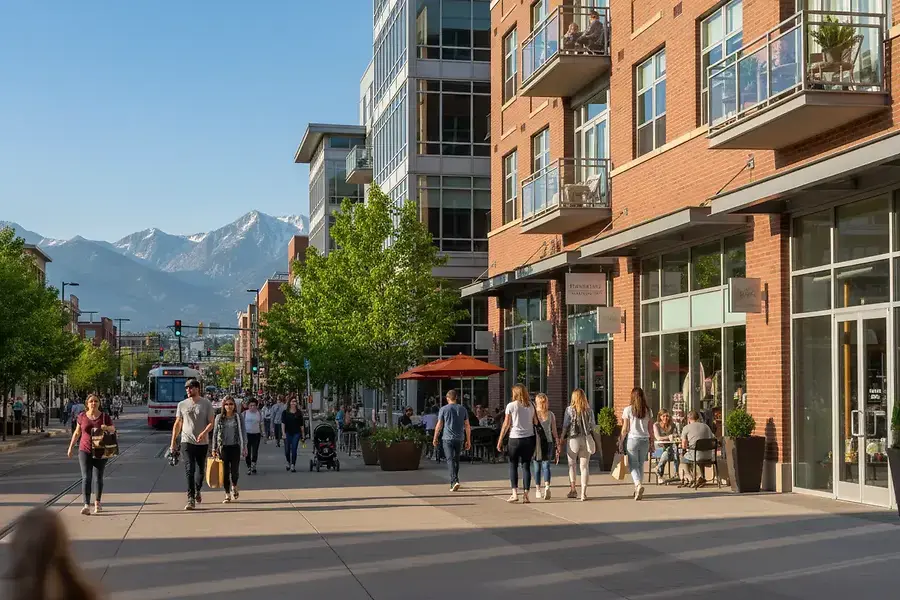
The Rise of Mixed-Use Real Estate in the Denver Metro
The Denver metropolitan area has experienced a significant transformation in recent years, with mixed-use properties emerging as one of the most dynamic and profitable real estate segments. These hybrid developments—combining residential apartments or condos with ground-floor retail, offices, or hospitality spaces—are reshaping how investors approach property development and urban planning across the Front Range.
The appeal of mixed-use properties lies in their versatility and resilience. Unlike single-use developments that depend heavily on one market segment, mixed-use properties diversify revenue streams and create vibrant, walkable communities that attract both residents and businesses. This strategic approach has proven particularly effective in the Denver metro, where population growth, urban density preferences, and changing consumer behaviors have created ideal conditions for these hybrid developments.
Why Denver Metro Investors Are Embracing This Model
- Increased foot traffic and visibility for commercial tenants
- Higher occupancy rates due to built-in customer base from residential units
- Enhanced property values through mixed-use premium positioning
- Reduced vacancy risk by diversifying tenant types
- Greater appeal to institutional investors and lenders
Strategic Locations for Commercial-Residential Properties from Morrison to Littleton
Prime Corridors and Emerging Markets
The Denver metro area offers numerous strategic locations ideal for mixed-use development. From the western suburbs near Morrison to the southern communities around Littleton, investors have identified key corridors where mixed-use properties thrive.
Downtown Denver and LoDo: The heart of the metro remains a powerhouse for mixed-use development. Historic buildings are being converted into loft apartments with ground-floor restaurants and retail, commanding premium prices and attracting affluent residents seeking urban lifestyle experiences.
Cherry Creek and Uptown: These established neighborhoods continue to attract mixed-use projects that blend luxury residential with high-end retail and dining. The existing infrastructure and affluent demographic make these areas ideal for premium mixed-use developments.
South Platte River Corridor: From downtown extending south, the South Platte River corridor presents exceptional opportunities for mixed-use development. New transit-oriented developments are emerging that combine residential units with retail, offices, and entertainment venues.
Boulder Valley and Northern Suburbs: Communities like Boulder, Broomfield, and Westminster are experiencing significant mixed-use growth. These areas offer more affordable land costs while maintaining strong demographic appeal and population growth trajectories.
Littleton and Southern Metro: The southern suburbs, including Littleton and surrounding areas, represent emerging opportunities for mixed-use investors. Lower acquisition costs combined with growing population and retail demand create favorable conditions for development.
Location Selection Criteria
Successful mixed-use investors evaluate locations based on several key factors:
- Transit accessibility: Proximity to light rail, bus lines, and major highways
- Population density: Areas with sufficient residential population to support commercial tenants
- Demographic profile: Income levels, age distribution, and lifestyle preferences
- Zoning regulations: Municipalities that support and encourage mixed-use development
- Infrastructure readiness: Adequate utilities, parking, and public amenities
- Future development plans: City master plans indicating growth and investment
Financial Benefits and Market Trends for Hybrid Property Investments
Revenue Diversification and Stability
Mixed-use properties offer compelling financial advantages that traditional single-use properties cannot match. By combining residential and commercial spaces, investors create multiple revenue streams that provide stability during market fluctuations.
Residential units generate consistent monthly rental income, while commercial spaces command premium rents due to their high-visibility locations and built-in customer base. This diversification reduces the impact of vacancy in any single segment.
Market Trends Favoring Mixed-Use Development
Walkability Premium: Consumers increasingly value walkable neighborhoods with mixed-use amenities. Properties offering residential proximity to retail, dining, and services command higher rents and sales prices.
Remote Work Evolution: As remote work becomes permanent for many professionals, residential units in mixed-use properties with integrated office spaces and ground-floor cafes appeal to this demographic.
Experiential Retail: Traditional retail faces challenges, but experiential venues—restaurants, fitness studios, entertainment—thrive in mixed-use settings where residential populations provide consistent customer bases.
Sustainability Focus: Mixed-use properties reduce transportation needs and promote sustainable urban living, attracting environmentally conscious investors and residents.
Financial Performance Metrics
Mixed-use properties typically demonstrate superior financial performance:
- Higher Cap Rates: Blended cap rates often exceed single-use properties in comparable locations
- Faster Appreciation: Mixed-use properties appreciate faster due to premium positioning and scarcity
- Better Financing: Lenders view diversified revenue streams favorably, often offering better terms
- Stronger NOI Growth: Multiple revenue streams create more stable and predictable net operating income
"Mixed-use properties represent the future of real estate investing in the Denver metro. They offer the stability of residential income combined with the growth potential of commercial real estate."
Positioning Yourself as a Mixed-Use Real Estate Specialist
Building Expertise in a Growing Market
As mixed-use real estate continues to gain prominence in the Denver metro, positioning yourself as a specialist in this niche creates significant competitive advantages. Investors seeking mixed-use opportunities need partners who understand the unique complexities of these hybrid properties.
Key Areas of Specialization:
- Zoning and land use regulations across Denver metro municipalities
- Mixed-use project feasibility analysis and underwriting
- Tenant mix optimization and commercial leasing strategies
- Construction and development project management
- Market analysis specific to mixed-use segments
- Financing strategies for hybrid properties
Actionable Steps for Specialists
Develop Deep Market Knowledge: Study successful mixed-use projects across the Front Range. Understand what makes certain locations and tenant combinations successful.
Build Lender Relationships: Connect with commercial lenders and institutional investors who specialize in mixed-use financing. These relationships are crucial for deal success.
Network with Developers: Establish relationships with mixed-use developers and architects. These connections provide deal flow and valuable insights.
Stay Current on Trends: Mixed-use real estate evolves rapidly. Continuous education on market trends, consumer preferences, and regulatory changes keeps you competitive.
Showcase Track Record: Document and promote successful mixed-use transactions. Case studies and testimonials build credibility with potential clients.
The Future Outlook
The Denver metro's continued population growth, urban density preferences, and evolving consumer behaviors suggest that mixed-use real estate will remain a cornerstone of the investment landscape. Specialists who develop deep expertise in this segment position themselves to capture significant opportunities as the market matures.
Mixed-use properties represent more than just a real estate trend—they represent the future of urban development and community building. For investors and professionals willing to develop specialized knowledge, the opportunities across the Denver metro are substantial and growing.


