Mixed-Use Properties: Combining Residential and Commercial Income
Learn how property owners in Central Illinois communities are maximizing returns by developing dual-purpose real estate investments.

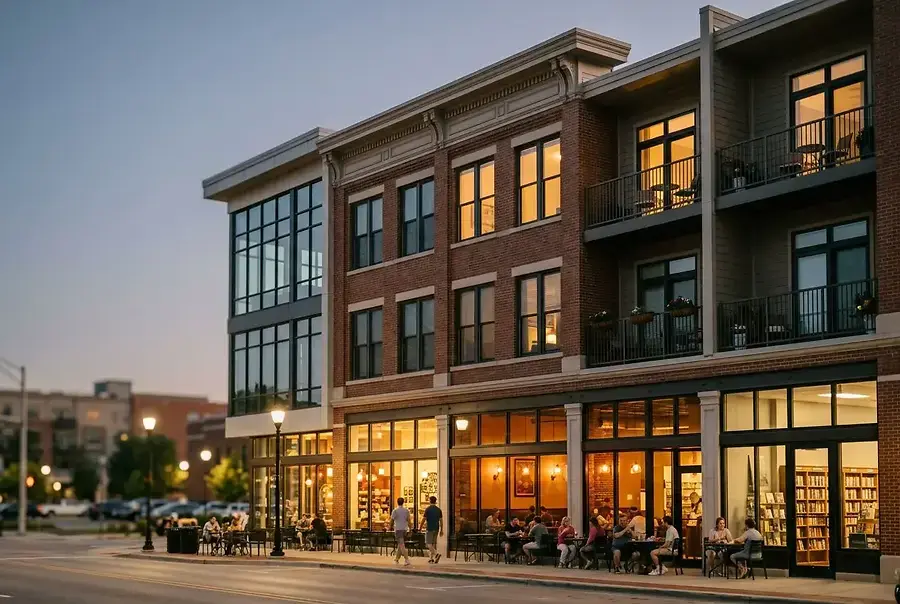
The Rise of Mixed-Use Development in Central Illinois
Central Illinois is experiencing a transformative shift in real estate development. Property owners and investors are increasingly recognizing the power of mixed-use properties—developments that combine residential units with commercial spaces under one roof. This strategic approach to real estate investing offers a compelling solution for those seeking to maximize returns while minimizing risk through diversification.
The appeal is straightforward: why settle for a single income stream when you can generate revenue from both residential tenants and commercial businesses? Communities across Champaign, Peoria, and surrounding areas are witnessing a surge in these innovative properties, transforming downtown corridors and neighborhood centers into vibrant, multi-functional spaces.
Understanding Mixed-Use Property Structures and Benefits
What Are Mixed-Use Properties?
Mixed-use properties integrate different real estate functions into a single development. Common configurations include:
- Ground-floor retail or office space with residential apartments above
- Commercial storefronts alongside townhomes or condominiums
- Office buildings with residential lofts or suites
- Shopping centers with integrated residential components
Key Financial Benefits
Income Diversification: Rather than relying on a single tenant type, mixed-use properties generate revenue from multiple sources. If commercial tenants face challenges, residential income provides stability—and vice versa.
Higher Overall Returns: By utilizing land more efficiently, mixed-use developments typically generate greater total revenue per square foot than single-use properties. This translates to improved cap rates and stronger cash flow.
Reduced Vacancy Risk: With multiple tenant categories, the likelihood of complete property vacancy decreases significantly. Commercial spaces may experience turnover while residential units remain occupied, maintaining consistent income.
Property Appreciation: Mixed-use developments often appreciate faster than single-use properties, particularly in revitalizing neighborhoods. The enhanced utility and appeal of these properties make them attractive to a broader range of investors.
Operational Advantages
Beyond financial benefits, mixed-use properties offer operational efficiencies. A single management team handles maintenance, utilities, and tenant relations across the entire property. This streamlined approach reduces overhead costs and improves operational consistency.
Successful Mixed-Use Examples in Champaign, Peoria, and Surrounding Communities
Champaign's Downtown Renaissance
Champaign has emerged as a leader in mixed-use development. Several downtown properties now feature ground-floor restaurants and retail spaces with residential lofts above, creating vibrant street-level activity while generating dual income streams. These developments have revitalized previously underutilized downtown areas and attracted younger professionals seeking urban living with convenient commercial access.
Peoria's Adaptive Reuse Success
Peoria has successfully transformed historic buildings into mixed-use spaces. Former warehouses and industrial buildings now house trendy apartments, boutique offices, and specialty retail. These adaptive reuse projects preserve community character while creating profitable investments that appeal to both residential and commercial tenants.
Suburban Mixed-Use Growth
Beyond downtown cores, suburban communities throughout Central Illinois are developing mixed-use town centers. These properties combine residential components with essential services—grocery stores, fitness centers, medical offices, and professional services—creating convenient, walkable communities that command premium rents and strong occupancy rates.
Getting Started: Steps to Develop or Invest in Mixed-Use Properties
Step 1: Conduct Market Research
Begin by analyzing your target market. Identify areas with strong residential demand and viable commercial opportunities. Look for neighborhoods experiencing revitalization, population growth, or demographic shifts that support mixed-use development.
Step 2: Understand Zoning and Regulations
Mixed-use development requires navigating local zoning laws. Consult with city planners and zoning attorneys to understand what configurations are permitted in your target area. Some municipalities actively encourage mixed-use development with favorable zoning, while others require variance applications.
Step 3: Develop a Comprehensive Business Plan
Create a detailed financial model projecting:
- Residential rental income and occupancy rates
- Commercial lease rates and tenant mix
- Operating expenses and management costs
- Capital requirements and financing needs
- Timeline to profitability and return on investment
Step 4: Secure Appropriate Financing
Mixed-use properties may require specialized financing. Traditional lenders understand these properties well, but you'll need to demonstrate strong market fundamentals and realistic financial projections. Consider working with lenders experienced in mixed-use development.
Step 5: Assemble Your Team
Success requires expertise across multiple disciplines. Engage experienced architects, contractors, property managers, and commercial leasing agents. A strong team understands the unique challenges of managing diverse tenant bases and can help optimize your property's performance.
Step 6: Plan for Tenant Mix Strategically
The commercial tenants you attract significantly impact residential appeal. Complementary businesses—cafes, fitness centers, professional services—enhance the residential experience and justify premium rents. Avoid tenants that create noise, odors, or other nuisances that would negatively impact residential satisfaction.
Conclusion: Positioning Yourself for Long-Term Wealth Through Diversified Real Estate
Mixed-use properties represent a sophisticated approach to real estate investing that aligns with modern lifestyle preferences and economic realities. By combining residential and commercial income streams, property owners in Central Illinois are building more resilient, profitable investments.
The success stories emerging from Champaign, Peoria, and surrounding communities demonstrate that mixed-use development isn't a passing trend—it's a fundamental shift in how communities develop and how investors build wealth. Whether you're considering developing a new mixed-use property or investing in existing ones, the fundamentals remain consistent: understand your market, plan meticulously, assemble the right team, and focus on creating spaces that serve multiple purposes exceptionally well.
The future of real estate in Central Illinois is mixed-use. The question isn't whether these properties will succeed, but whether you'll position yourself to benefit from this transformation.