Mixed-Use Properties: Commercial and Residential Opportunities in Illinois
Discover how to leverage residential-commercial hybrid properties across Naperville, Morris, Sycamore, Plainfield, Lisle, Schaumburg, and Joliet for maximum investment potential.

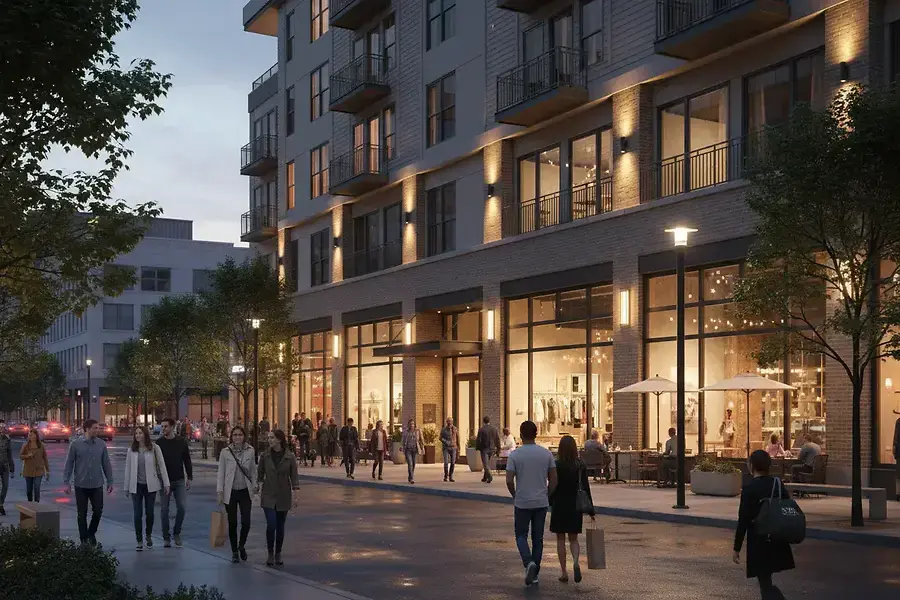
The Rise of Mixed-Use Development in Illinois Communities
The real estate landscape across Illinois is undergoing a significant transformation. Mixed-use properties—developments that seamlessly blend residential and commercial spaces—are reshaping how communities function and how investors build wealth. This hybrid approach to real estate development has become increasingly popular throughout the western corridor of Illinois, offering unprecedented opportunities for savvy investors seeking diversified income streams and sustainable growth.
The appeal of mixed-use properties lies in their versatility and resilience. Unlike traditional single-purpose real estate investments, these properties generate revenue from multiple sources: residential leases, retail operations, office spaces, and service-oriented businesses. This diversification creates a more stable investment foundation, reducing risk while maximizing potential returns.
Understanding Residential-Commercial Hybrid Properties and Their Market Advantages
What Are Mixed-Use Properties?
Mixed-use properties are developments that integrate residential units with commercial spaces under one roof or within a unified development. Ground-floor retail or office spaces support upper-level apartments, condominiums, or lofts. This integration creates vibrant, walkable communities where residents can live, work, and shop without extensive commuting.
Key Market Advantages
- Multiple Revenue Streams: Investors benefit from residential rental income, commercial lease payments, and potential service revenues, creating a more robust financial portfolio.
- Higher Occupancy Rates: Mixed-use properties typically maintain stronger occupancy rates because they serve diverse tenant needs and demographics.
- Community Appeal: These properties attract both residents and businesses seeking convenient, integrated environments, increasing demand and property values.
- Tax Advantages: Hybrid properties may qualify for various tax incentives and depreciation benefits that purely residential or commercial properties cannot access.
- Resilience During Market Fluctuations: When residential markets soften, commercial revenue can stabilize returns, and vice versa.
Investment Flexibility
Mixed-use properties offer investors remarkable flexibility. You can focus on residential tenants, commercial operators, or maintain a balanced portfolio across both sectors. This adaptability allows you to respond quickly to market changes and capitalize on emerging opportunities within your specific investment goals.
Top Mixed-Use Markets Across the Western Corridor: Where Opportunity Meets Demand
Naperville: The Premium Mixed-Use Hub
Naperville stands as a premier destination for mixed-use development. With its strong downtown revitalization initiatives and affluent demographic profile, Naperville attracts high-quality tenants and commands premium rental rates. The city's commitment to walkable, integrated communities makes it ideal for investors seeking upscale mixed-use properties with strong appreciation potential.
Schaumburg: Corporate and Residential Convergence
Schaumburg's proximity to major corporate centers and transportation hubs makes it an excellent market for mixed-use properties targeting business professionals. The area's growing residential demand combined with robust commercial activity creates balanced investment opportunities with strong occupancy potential across both sectors.
Joliet: Emerging Growth Market
Joliet represents an emerging opportunity for forward-thinking investors. As the city continues its revitalization efforts and attracts new businesses, mixed-use properties positioned in strategic locations offer significant appreciation potential. Early investors in this market can capture substantial gains as the community develops.
Plainfield, Lisle, Morris, and Sycamore: Diverse Opportunities
These communities offer varied mixed-use opportunities suited to different investment strategies. Plainfield and Lisle provide suburban appeal with growing commercial corridors, while Morris and Sycamore offer smaller-scale mixed-use developments with strong community support and lower competition. Each market presents unique advantages depending on your investment timeline and risk tolerance.
Market Dynamics and Tenant Demand
Across all these markets, several trends drive mixed-use property success:
- Urban Migration Patterns: Younger professionals and empty-nesters increasingly prefer walkable, mixed-use communities over sprawling suburban developments.
- Remote Work Evolution: Mixed-use properties with integrated office spaces appeal to entrepreneurs and remote workers seeking professional environments near home.
- Retail Transformation: Traditional retail spaces are evolving into experiential venues, service centers, and community gathering spaces that complement residential populations.
- Sustainability Focus: Communities prioritizing sustainable development favor mixed-use properties that reduce transportation needs and environmental impact.
Positioning Your Portfolio for Success in Hybrid Real Estate Markets
Strategic Investment Considerations
Success in mixed-use real estate requires careful market analysis and strategic planning. Consider these essential factors:
- Location Analysis: Evaluate foot traffic patterns, demographic trends, and local economic indicators. Properties in high-traffic areas with strong demographic alignment outperform isolated locations.
- Tenant Mix Quality: The caliber of commercial tenants directly impacts residential appeal. Established, reputable businesses enhance property value and attract quality residential tenants.
- Management Complexity: Mixed-use properties require sophisticated management handling diverse tenant needs. Ensure you have experienced property management in place.
- Financing Strategies: Mixed-use properties may qualify for specialized financing programs. Work with lenders experienced in hybrid property valuations.
Building Long-Term Wealth
Mixed-use properties represent more than immediate income generation—they're wealth-building vehicles for long-term success. As communities develop and property values appreciate, your investment grows substantially. The diversified income streams provide stability during economic transitions, while the integrated community appeal ensures sustained demand.
The key to success is positioning yourself in markets with strong fundamentals, quality properties, and experienced management. Whether you're targeting Naperville's premium market, Schaumburg's corporate corridor, or Joliet's emerging opportunities, mixed-use properties across Illinois's western corridor offer compelling investment potential.
By understanding market dynamics, evaluating properties strategically, and maintaining professional management, you can build a robust real estate portfolio that generates consistent returns while contributing to vibrant, thriving communities. The mixed-use real estate revolution in Illinois is well underway—the question is whether you'll position yourself to capitalize on these exceptional opportunities.


