Mixed-Use Properties in Charleston: Blending Commerce and Residential Living
Discover how residential-commercial hybrid properties are transforming Charleston's real estate landscape and creating new investment opportunities.

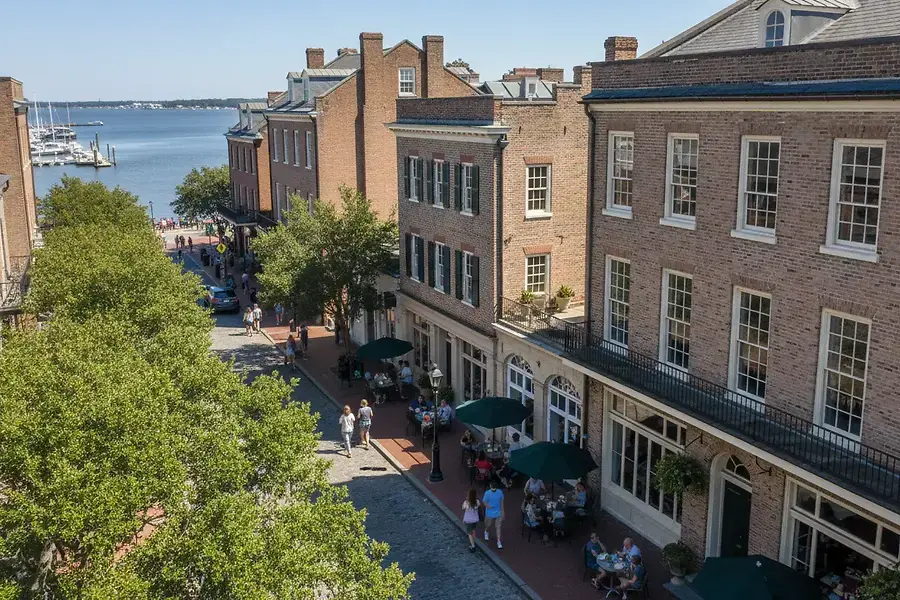
The Rise of Mixed-Use Development in Charleston
Charleston's real estate landscape is undergoing a remarkable transformation. The city that was once defined by historic homes and traditional neighborhoods is now embracing a modern approach to urban development: mixed-use properties. These innovative residential-commercial hybrid spaces are reshaping how people live, work, and invest in the Holy City.
The demand for mixed-use properties reflects a broader shift in how people want to experience urban living. Rather than commuting long distances between home and workplace, residents increasingly prefer walkable neighborhoods where they can live, shop, dine, and work within the same community. Charleston, with its rich history and vibrant culture, is perfectly positioned to lead this movement.
This trend isn't just about convenience—it's about creating sustainable, thriving communities that enhance quality of life while providing attractive investment opportunities for developers and property owners alike.
Understanding Residential-Commercial Hybrid Properties and Their Benefits
What Are Mixed-Use Properties?
Mixed-use properties combine residential units with commercial spaces such as retail shops, restaurants, offices, or entertainment venues. These developments typically feature apartments or condominiums on upper floors with ground-level retail or service businesses. Some properties also include hotels, co-working spaces, or cultural venues.
Key Benefits for Residents
Mixed-use properties offer numerous advantages for residents:
- Walkability: Residents can access shopping, dining, and services without requiring a car, promoting a healthier, more active lifestyle.
- Convenience: Everything needed for daily life is within walking distance, saving time and reducing stress.
- Community Connection: These neighborhoods foster stronger social bonds through increased foot traffic and interaction.
- Reduced Environmental Impact: Less reliance on personal vehicles means lower carbon footprints and improved air quality.
Investment Advantages
For investors and developers, mixed-use properties present compelling opportunities:
- Diversified Revenue Streams: Income comes from both residential rentals and commercial leases, reducing financial risk.
- Higher Property Values: Mixed-use developments typically command premium prices due to their versatility and appeal.
- Strong Tenant Retention: The integrated nature of these properties creates stable, long-term tenant relationships.
- Urban Revitalization: Mixed-use projects often catalyze neighborhood improvements and attract additional investment.
Economic and Social Impact
Beyond individual benefits, mixed-use properties contribute to Charleston's broader economic vitality. They create jobs, generate tax revenue, and foster entrepreneurship by providing affordable commercial space for small businesses. The vibrant street-level activity these properties generate makes neighborhoods safer and more appealing to both residents and visitors.
Key Charleston Neighborhoods Leading the Mixed-Use Real Estate Trend
Downtown Charleston
The historic downtown core remains the epicenter of mixed-use development. Renovated warehouses and historic buildings now house luxury apartments above trendy restaurants, boutiques, and galleries. These projects preserve Charleston's architectural heritage while meeting modern living demands, creating a perfect blend of old and new.
King Street District
King Street has evolved into a premier mixed-use destination. The street features high-end retail on the ground floor with residential units above, creating a vibrant urban corridor. New developments continue to enhance this area with innovative designs that respect the neighborhood's character while introducing contemporary amenities.
East Bay Street
This waterfront area is experiencing significant mixed-use development. Properties here combine residential living with waterfront dining, retail, and entertainment venues. The scenic location and walkable environment make East Bay Street increasingly attractive to residents seeking an urban lifestyle with water views.
Folly Beach and Surrounding Areas
Beyond downtown, neighborhoods like Folly Beach are embracing mixed-use development. These areas combine residential properties with beach-oriented retail and hospitality businesses, creating seasonal economic vitality while providing year-round living opportunities.
Upper King Street
This emerging neighborhood showcases how mixed-use development can revitalize previously underutilized areas. New projects feature artist lofts, creative office spaces, and restaurants alongside residential units, attracting a younger, more creative demographic and establishing the area as a cultural hub.
Conclusion: Why Mixed-Use Properties Represent the Future of Charleston Real Estate
Mixed-use properties are more than just a real estate trend—they represent a fundamental shift in how urban communities develop and function. In Charleston, these hybrid properties are creating neighborhoods that are more livable, more sustainable, and more economically vibrant than traditional single-use developments.
For residents, mixed-use properties offer the convenience and community connection that modern urban dwellers increasingly demand. For investors, they provide diversified revenue streams and strong appreciation potential. For the city itself, they represent a path toward sustainable growth that honors Charleston's historic character while embracing contemporary innovation.
As Charleston continues to grow and evolve, mixed-use properties will undoubtedly play a central role in shaping the city's future. Whether you're a homebuyer seeking an urban lifestyle, an investor looking for opportunities, or simply someone interested in real estate trends, mixed-use properties in Charleston deserve your attention. The future of Charleston real estate is here—and it's beautifully mixed.


