Mixed-Use Properties in DFW: Maximizing Returns with Dual-Purpose Real Estate
Learn how residential-commercial hybrid properties are transforming investment strategies across Dallas, Fort Worth, and surrounding suburbs.

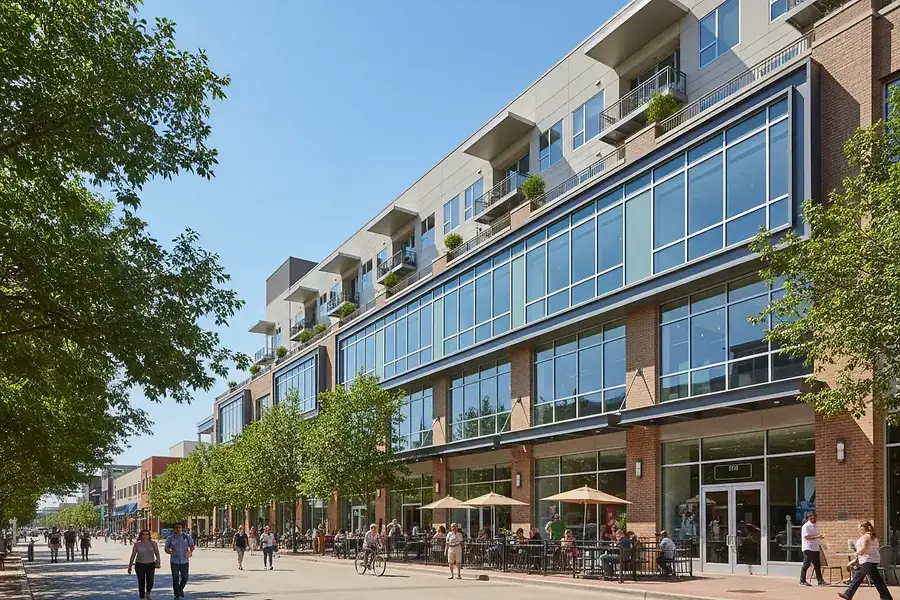
The Rise of Mixed-Use Development in the DFW Metroplex
The Dallas-Fort Worth metroplex has experienced unprecedented growth over the past decade, transforming from a sprawling suburban landscape into a dynamic urban center. Mixed-use properties—developments that combine residential, commercial, and sometimes office spaces under one roof—have emerged as a game-changing investment strategy for savvy real estate investors.
This shift reflects broader market trends where investors seek higher returns and reduced risk through diversification. Rather than relying solely on residential rental income or commercial leasing, mixed-use properties generate revenue from multiple sources, creating a more resilient investment portfolio. The DFW region's booming population and economic expansion have made it an ideal testing ground for this innovative real estate model.
Understanding Residential-Commercial Properties: Benefits and Investment Potential
Multiple Revenue Streams
The primary advantage of mixed-use properties is their ability to generate income from various tenant types. Ground-floor retail or office spaces attract commercial tenants, while upper floors house residential units. This diversification means that if one market segment softens, others may remain strong, protecting your investment from sector-specific downturns.
Enhanced Property Value
Mixed-use developments typically command premium valuations compared to single-use properties. Lenders and appraisers recognize the reduced risk profile and increased income potential, often resulting in:
- Higher property valuations
- Better financing terms and lower interest rates
- Increased appeal to institutional investors
- Stronger appreciation potential over time
Walkability and Community Appeal
Modern consumers, particularly younger demographics, increasingly prefer walkable neighborhoods with mixed-use amenities. Properties that combine living spaces with retail, dining, and entertainment create vibrant communities that attract quality tenants willing to pay premium rents. This demand dynamic strengthens both residential and commercial lease rates.
Tax Advantages and Depreciation Benefits
Mixed-use properties offer sophisticated investors valuable tax benefits. The commercial component allows for accelerated depreciation schedules, while the residential portion qualifies for residential real estate tax advantages. Consulting with a tax professional can help maximize these benefits within your investment strategy.
Top Mixed-Use Markets in DFW: From Arlington to Colleyville
Arlington
Arlington has become a mixed-use development hotspot, with properties near the entertainment district and sports venues commanding strong rental rates. The city's strategic location between Dallas and Fort Worth, combined with its entertainment infrastructure, makes it ideal for properties combining residential units with retail and hospitality spaces.
Plano and Legacy West
Plano's Legacy West district represents one of the most successful mixed-use developments in North Texas. This master-planned community seamlessly blends office towers, luxury apartments, upscale retail, and restaurants. Investors in this area benefit from strong corporate tenant demand and affluent residential demographics.
Colleyville and Southlake
These affluent suburbs have seen increasing mixed-use development catering to high-income residents. Properties in these markets attract premium commercial tenants and command top-tier residential rents, making them attractive for investors seeking higher-margin opportunities.
Downtown Dallas and Fort Worth
The urban cores of both Dallas and Fort Worth continue to attract mixed-use development. Downtown revitalization efforts have created opportunities for investors to capitalize on growing demand for urban living combined with ground-floor retail and office spaces.
Getting Started: How to Evaluate and Invest in Dual-Purpose Properties
Conduct Thorough Market Analysis
Before investing, analyze the specific submarket's demographics, employment trends, and commercial demand. Key metrics to evaluate include:
- Population growth rates and demographic trends
- Commercial vacancy rates and rental rate trends
- Residential absorption rates and rent growth
- Major employers and economic drivers in the area
- Planned infrastructure improvements and development
Understand Zoning and Regulatory Requirements
Mixed-use properties operate under complex zoning regulations that vary by municipality. Thoroughly review local zoning codes, parking requirements, and building regulations before committing capital. Some areas have streamlined processes for mixed-use development, while others present significant regulatory hurdles.
Evaluate Tenant Mix and Lease Terms
The success of a mixed-use property depends heavily on its tenant composition. Look for:
- Stable, creditworthy commercial tenants with long-term leases
- Residential tenants in strong demographic segments
- Complementary uses that enhance the property's appeal
- Lease terms that align with your investment timeline
Calculate Returns Accurately
Mixed-use properties require more sophisticated financial analysis than single-use assets. Calculate returns separately for residential and commercial components, then analyze the combined property's performance. Consider:
Cap rates, cash-on-cash returns, and internal rate of return (IRR) for the blended property, not just individual components.
Partner with Experienced Professionals
Successfully investing in mixed-use properties requires expertise across multiple disciplines. Build a team including:
- Real estate agents specializing in mixed-use properties
- Commercial and residential property managers
- Tax professionals familiar with mixed-use structures
- Lenders experienced with mixed-use financing
- Legal counsel versed in complex real estate transactions
Start with Proven Markets
If you're new to mixed-use investing, begin with established markets like Plano's Legacy West or Arlington's entertainment district. These areas have demonstrated track records, established tenant bases, and lower execution risk. As you gain experience and expertise, you can explore emerging mixed-use opportunities in secondary markets.
Conclusion
Mixed-use properties represent a sophisticated investment strategy perfectly suited to the DFW metroplex's dynamic growth environment. By combining residential and commercial components, investors can achieve superior returns, reduced risk through diversification, and exposure to multiple market segments. The key to success lies in thorough market analysis, careful property evaluation, and building a strong professional team. For investors ready to move beyond traditional single-use properties, mixed-use developments in DFW offer compelling opportunities to maximize returns while contributing to vibrant, walkable communities.


