Mixed-Use Properties in Metro Detroit: Investment Opportunities Across Six Key Markets
Discover why residential-commercial hybrid properties are reshaping real estate investment potential in Royal Oak, Detroit, Berkley, Ferndale, Huntington Woods, and Madison Heights.

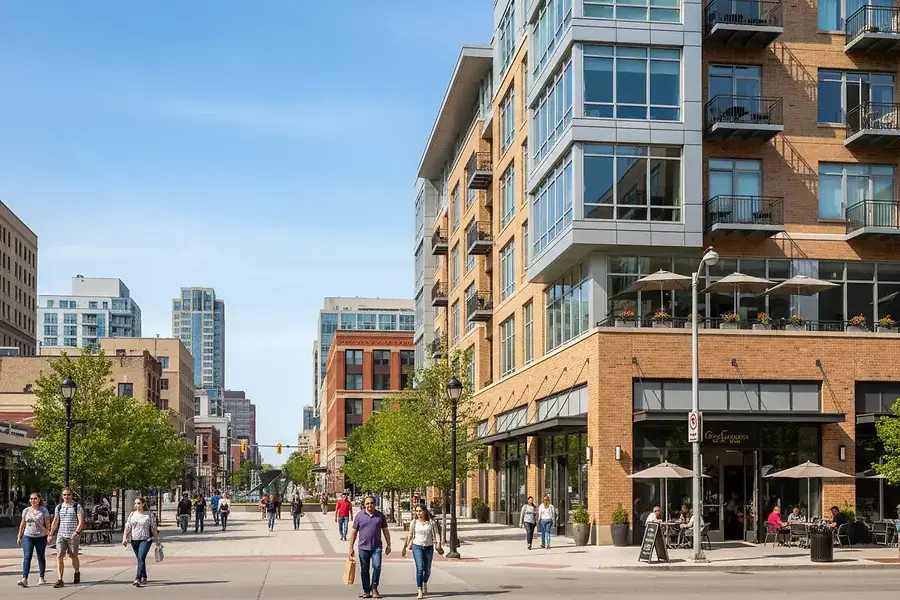
The Rise of Mixed-Use Real Estate in Metro Detroit
The Metro Detroit real estate landscape is undergoing a significant transformation. Mixed-use properties—developments that combine residential units with commercial spaces—are becoming increasingly attractive to investors seeking diversified income streams and reduced market risk. This hybrid approach to real estate development is reshaping how communities grow and how investors build wealth in the region.
Mixed-use properties offer a compelling value proposition. Rather than relying on a single revenue source, investors benefit from both residential rental income and commercial lease payments. This dual-income model provides stability during economic fluctuations and creates opportunities for long-term appreciation. As Metro Detroit continues its economic revival, savvy investors are recognizing that mixed-use properties represent the future of real estate investment in the region.
Market Overview: Why These Six Communities Are Attracting Mixed-Use Developers
Royal Oak: The Urban Pioneer
Royal Oak has emerged as a premier destination for mixed-use development. The city's vibrant downtown district, combined with strong walkability and a thriving cultural scene, makes it ideal for properties that blend residential living with retail and dining establishments. The community's commitment to urban revitalization has attracted both national and local developers, driving property values upward and creating excellent investment opportunities.
Detroit: The Comeback Story
Detroit's downtown and midtown neighborhoods are experiencing unprecedented growth. Neighborhoods like Corktown and Midtown have seen explosive development of mixed-use properties that cater to young professionals and families seeking urban living with convenient access to employment centers. The city's lower entry costs compared to other major metros, combined with strong appreciation potential, make Detroit an attractive market for mixed-use investors.
Berkley: The Suburban Sweet Spot
Berkley offers the perfect balance between suburban charm and urban convenience. Mixed-use developments in Berkley appeal to residents who want walkable neighborhoods without sacrificing suburban character. The community's strong school system and family-friendly atmosphere create consistent demand for residential units, while the commercial components attract established businesses seeking accessible locations.
Ferndale: The Creative Hub
Ferndale has cultivated a reputation as a creative and artistic community. Mixed-use properties here often feature unique architectural designs and attract independent retailers, galleries, and restaurants. This distinctive character creates premium rental rates and strong tenant retention, making Ferndale an excellent choice for investors seeking properties with personality and cultural significance.
Huntington Woods: The Upscale Market
Huntington Woods represents the upscale segment of Metro Detroit's mixed-use market. Properties here command premium prices and attract affluent residents and high-end retailers. Mixed-use developments in this community typically feature luxury finishes and cater to discerning tenants willing to pay for quality and convenience.
Madison Heights: The Emerging Opportunity
Madison Heights is positioned as an emerging mixed-use market with significant growth potential. The community's strategic location, improving infrastructure, and competitive property prices make it an attractive entry point for investors seeking value. As the market matures, early investors in Madison Heights mixed-use properties stand to benefit from substantial appreciation.
Investment Benefits: Maximizing Returns with Residential-Commercial Properties
Diversified Income Streams
The primary advantage of mixed-use properties is income diversification. Rather than depending solely on residential or commercial tenants, mixed-use investors benefit from multiple revenue sources. If residential occupancy dips, commercial leases may remain stable, and vice versa. This diversification reduces overall portfolio risk and provides more predictable cash flow.
Higher Occupancy Rates
Mixed-use properties typically achieve higher occupancy rates than single-use developments. The combination of residential and commercial spaces creates a self-sustaining ecosystem where residents support local businesses, and businesses attract additional residents. This synergy results in lower vacancy rates and more consistent revenue.
Increased Property Values
Mixed-use properties in Metro Detroit have demonstrated strong appreciation potential. The combination of residential demand and commercial viability creates multiple value drivers. As these communities continue to develop and attract investment, property values are likely to appreciate significantly, providing substantial equity gains for early investors.
Tax Advantages and Financing Benefits
Mixed-use properties often qualify for favorable tax treatments and financing options. Many lenders view mixed-use properties as lower-risk investments due to their diversified income streams. Additionally, investors may benefit from depreciation deductions on both residential and commercial components, improving overall investment returns.
Tenant Quality and Retention
Mixed-use properties attract higher-quality tenants. Residential tenants in these properties often appreciate the convenience of on-site or nearby commercial services, leading to longer lease terms and lower turnover. Commercial tenants benefit from built-in customer bases, resulting in stable, long-term leases.
Future-Proofing Your Investment
As consumer preferences shift toward walkable, mixed-use communities, properties that offer this lifestyle become increasingly valuable. Investing in mixed-use properties positions you ahead of market trends and ensures your investment remains relevant and desirable for decades to come.
Conclusion: Positioning Yourself as a Mixed-Use Real Estate Expert in Your Market
The mixed-use real estate market in Metro Detroit represents a significant opportunity for investors willing to understand the nuances of these complex properties. The six key markets—Royal Oak, Detroit, Berkley, Ferndale, Huntington Woods, and Madison Heights—each offer unique advantages and appeal to different investor profiles.
Success in mixed-use real estate requires understanding both residential and commercial market dynamics. It demands attention to property management, tenant relations, and community development trends. However, for investors who master these elements, mixed-use properties offer superior returns, reduced risk, and the satisfaction of contributing to vibrant, walkable communities.
The time to invest in Metro Detroit's mixed-use market is now. As these communities continue to evolve and attract investment, early movers will capture the greatest appreciation potential. Whether you're a seasoned real estate investor or exploring mixed-use properties for the first time, Metro Detroit's six key markets offer compelling opportunities to build wealth while shaping the future of urban and suburban living in the region.


