Mixed-Use Properties in Metro Phoenix: Maximizing Dual-Income Potential
Discover how residential-commercial hybrid properties are reshaping investment opportunities across Scottsdale, Tempe, and the greater Phoenix area.

Understanding Mixed-Use Real Estate: Benefits and Market Demand
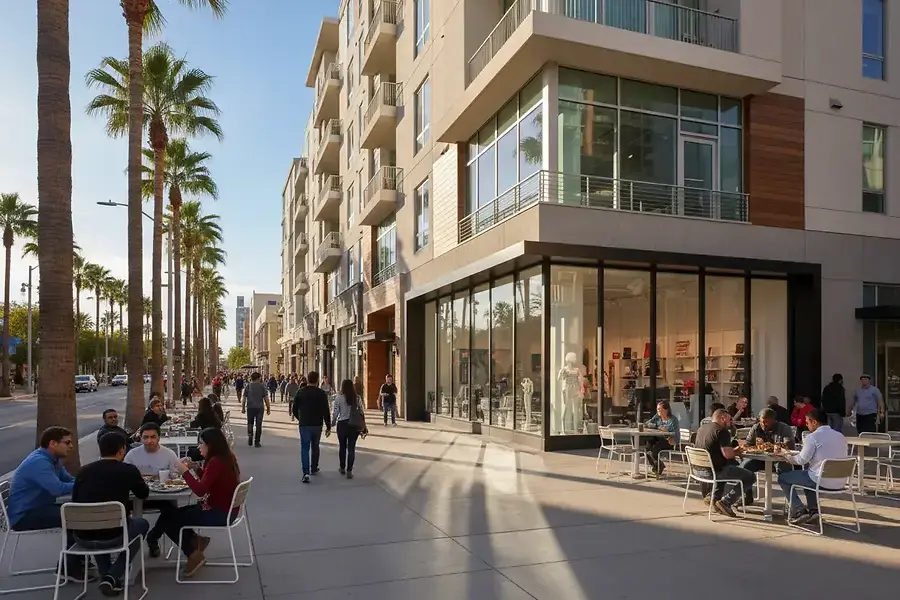
Mixed-use properties represent one of the most dynamic investment opportunities in today's real estate market. These hybrid developments combine residential units with commercial spaces—such as retail shops, offices, restaurants, or service providers—under one roof or within a unified development. The appeal is straightforward: investors generate income from multiple revenue streams simultaneously.
The demand for mixed-use properties continues to surge across Metro Phoenix, driven by several compelling factors:
- Urban Lifestyle Preferences: Modern residents increasingly seek walkable neighborhoods where they can live, work, and shop without extensive commuting.
- Economic Efficiency: Property owners benefit from diversified income sources, reducing reliance on a single tenant or market segment.
- Community Development: Mixed-use properties foster vibrant neighborhoods that attract businesses, residents, and visitors alike.
- Long-Term Appreciation: These properties typically appreciate faster than single-use developments due to their versatility and community value.
For investors, the financial advantages are substantial. While residential rentals provide steady monthly income, commercial tenants often sign longer leases at premium rates, creating more predictable cash flow. This combination makes mixed-use properties particularly attractive during economic fluctuations.
Metro Phoenix's Top Residential-Commercial Neighborhoods and Investment Hotspots
Scottsdale's Urban Core
Scottsdale has emerged as a premier destination for mixed-use development. The downtown area features numerous properties combining luxury apartments with high-end retail and dining establishments. These developments attract affluent residents and tourists, ensuring consistent foot traffic and strong commercial performance.
Tempe's College-Driven Market
Home to Arizona State University, Tempe offers unique opportunities for mixed-use investments. The student and young professional population creates demand for both residential units and commercial services. Properties near the university and Mill Avenue corridor command premium rents and attract quality tenants.
Phoenix's Central Neighborhoods
Areas like Roosevelt, Midtown, and Central Phoenix are experiencing revitalization, with investors converting older buildings into trendy mixed-use spaces. These neighborhoods offer lower entry prices than Scottsdale while maintaining strong growth potential.
Chandler and Gilbert's Suburban Appeal
These rapidly growing suburbs are developing mixed-use town centers that blend residential convenience with commercial accessibility. These properties appeal to families seeking suburban living with urban amenities.
Evaluating Mixed-Use Properties: Key Metrics for Buyers and Investors
Analyzing Income Streams
Before investing, thoroughly evaluate each income component:
- Residential Occupancy Rates: Research average vacancy rates for the neighborhood. Phoenix's strong rental market typically maintains 90%+ occupancy rates.
- Commercial Lease Terms: Review existing commercial leases carefully. Longer-term leases with established businesses provide stability.
- Rent Growth Potential: Assess whether rents are below market rates, indicating upside potential.
Location and Demographics
Foot Traffic: Properties in high-traffic areas generate more commercial revenue. Proximity to public transportation, major employers, and entertainment venues significantly impacts performance.
Population Growth: Metro Phoenix's expanding population supports rising property values and rental demand. Verify that your target neighborhood is experiencing positive demographic trends.
Financial Metrics
Calculate the following before making an offer:
- Cap Rate: Divide net operating income by property value. Mixed-use properties typically offer 4-7% cap rates depending on location and condition.
- Cash-on-Cash Return: Determine your annual cash return relative to your initial investment.
- Debt Service Coverage Ratio: Ensure net operating income sufficiently covers mortgage payments, typically requiring a 1.25x ratio minimum.
Property Condition and Management
Mixed-use properties require more sophisticated management than single-use buildings. Evaluate:
- Building systems and maintenance requirements
- Parking availability and layout efficiency
- Tenant mix compatibility and lease expiration schedules
- Property management expertise and costs
Getting Started: Finding Your Ideal Mixed-Use Property in the Phoenix Region
Work with Specialized Brokers
Partner with commercial real estate brokers experienced in mixed-use properties. They understand the nuances of dual-income properties and have access to off-market deals. Look for professionals with proven track records in your target neighborhoods.
Conduct Thorough Due Diligence
Don't rush the evaluation process. Request detailed financial statements for the past three years, tenant lists, lease agreements, and property inspection reports. Hire qualified inspectors familiar with both residential and commercial building systems.
Understand Zoning and Regulations
Mixed-use properties operate under specific zoning regulations that vary by municipality. Verify that the property's current use complies with local zoning laws and that future modifications are feasible. Some Phoenix neighborhoods have restrictions on commercial operations or residential density.
Plan for Management
Decide whether you'll self-manage or hire professional property management. Given the complexity of mixed-use properties, professional management often proves worthwhile despite the additional cost. Experienced managers maximize occupancy rates and handle tenant relations efficiently.
Consider Financing Options
Mixed-use properties may qualify for different financing programs than single-use buildings. Explore commercial loans, portfolio loans, and specialized mixed-use financing. Compare rates and terms from multiple lenders to secure the best deal.
Start Small and Scale
If you're new to mixed-use investing, consider starting with a smaller property to learn the ropes. Success with a first property builds confidence and experience for larger investments down the road.
The Bottom Line: Mixed-use properties in Metro Phoenix offer compelling investment opportunities for those willing to understand the market and evaluate properties carefully. By focusing on strong neighborhoods, analyzing financial metrics thoroughly, and partnering with experienced professionals, investors can build profitable portfolios that generate multiple income streams and appreciate steadily over time.


